As we move toward a more eco-conscious future, food packaging plays a pivotal role in reducing global waste and preserving our environment. Choosing sustainable options is no longer a trend—it’s a necessity for businesses and consumers alike. In this post, I’m diving into one of the most exciting innovations in food packaging: plant fiber meal boxes. These game-changers are not only eco-friendly but also offer practical perks that improve the way we package and consume food.
In 2025, food packaging is expected to evolve drastically as businesses prioritize sustainable choices and consumers demand greener solutions. Plant fiber meal boxes stand out as an eco-friendly alternative to plastic, offering benefits like reduced environmental impact, convenience, and improved food safety. This shift toward sustainable packaging solutions equips businesses with the tools to meet global environmental goals while enhancing their brand reputation. Here’s why plant fiber meal boxes are setting a new standard for food packaging in the years ahead.
The Rise of Sustainable Food Packaging
Over the years, the environmental impact of single-use plastics has fueled the need for more sustainable food packaging solutions. Traditional packaging materials, especially plastics, are often non-biodegradable and contribute to landfills and ocean pollution. In contrast, eco-friendly packaging alternatives, such as plant fiber meal boxes, offer a biodegradable and sustainable solution.
Why Sustainable Packaging Matters
For businesses, embracing sustainable food packaging is not just a moral choice; it’s an opportunity to align with consumer values and regulatory requirements. Here are just a few compelling reasons why this shift is crucial:
- Environmental Impact: Reducing single-use plastics significantly decreases pollution and waste buildup in ecosystems. Sustainable packaging made from renewables, like plant fiber, breaks down naturally, unlike plastic, which takes hundreds of years to decompose.
- Consumer Demand: Today’s consumers are more informed and eco-conscious. Using sustainable food packaging appeals to consumers who prioritize their environmental footprint.
- Cost Efficiency in the Long Term: While initial adoption of green packaging might seem costlier, it pays off through reduced waste disposal costs, compliance with environmental regulations, and long-lasting customer loyalty.
For customized eco-friendly packaging solutions, join our official Line account for direct inquiries!
What Makes Plant Fiber Meal Boxes a Game-Changer?
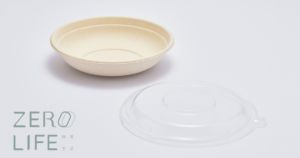
Plant fiber meal boxes are manufactured using renewable and biodegradable materials like sugarcane bagasse, wheat straw, or bamboo pulp. Let’s explore the ways these innovative meal boxes contribute to sustainability and offer functional benefits for businesses.
Biodegradable and Compostable
Plant fiber meal boxes decompose quickly, often within a matter of weeks, in commercial compost facilities. This is a stark contrast to traditional plastic containers that can remain in landfills for centuries. Businesses in the foodservice industry and beyond can significantly reduce their environmental impact by choosing compostable options.
Durability and Food Safety
One common misconception about plant fiber meal boxes is that they lack durability. In reality, these boxes are designed to be sturdy, leak-resistant, and heat-safe, making them ideal for a variety of food products. They’re microwave and freezer-friendly, which adds a layer of convenience for both businesses and customers.
Branding Opportunities
Sustainable packaging isn’t just practical—it’s also an excellent marketing tool. By labeling meal boxes with phrases like “eco-friendly” or “100% biodegradable,” businesses demonstrate their commitment to environmental stewardship. This strengthens brand loyalty and attracts eco-conscious consumers.
How Businesses Can Implement Sustainable Food Packaging
Shifting to sustainable alternatives doesn’t have to be overwhelming. Here are actionable steps businesses can take to incorporate plant fiber meal boxes and other biodegradable packaging solutions:
Start with a Packaging Audit
Assess your current packaging materials and evaluate their environmental impact. Determine where you can transition to sustainable solutions, prioritizing high-impact areas like takeout containers, shopping bags, and single-use utensils.
Partner with Reliable Suppliers
Collaborate with suppliers who specialize in eco-friendly materials. For plant fiber meal boxes, ensure the supplier meets international standards for sustainability, such as certifications for compostability and biodegradable quality.
Educate Your Team and Customers
Sustainability requires both education and awareness. Train your team on the benefits of plant-based packaging and how to properly handle these materials. Similarly, inform your customers about how they can compost or recycle the packaging. Simple instructions printed on the boxes or included on receipts go a long way toward fostering eco-conscious habits.
Additional Benefits of Plant Fiber Meal Boxes
When it comes to adopting food packaging trends in 2025, versatility and added value are key selling points. Plant fiber meal boxes pack a punch with their multifaceted benefits beyond just being eco-friendly.
Cost Savings Through Reduction of Plastic Waste
Switching to biodegradable options can reduce waste management costs for businesses in the long term. Governments worldwide are also cracking down on plastic usage, imposing fines or bans in many regions. By staying ahead of regulations, businesses avoid penalties while saving costs over time.
Improved Customer Experience
Offering food products in eco-friendly packaging lets your customers know their environmental footprint matters to your business. This enhancement in perceived value can improve your brand image and customer retention.
Global Market Demand
Sustainable packaging is already a hot commodity in global markets. Businesses equipped with biodegradable solutions, like plant fiber meal boxes, are better positioned to cater to eco-conscious consumers worldwide.
Conclusion: The Future of Food Packaging Is Green
The food packaging trends of 2025 are centered on sustainability, innovation, and customer satisfaction. Plant fiber meal boxes, with their biodegradable nature and functional benefits, are a clear winner for businesses looking to reduce their environmental footprint while meeting customer expectations.
As we collectively work toward a healthier planet, embracing eco-friendly food packaging isn’t just a necessity—it’s a responsibility. Businesses that implement sustainable solutions now are not only contributing to global goals but also paving the way for long-term success. Make the switch today, and lead the change toward a greener tomorrow!
For customized eco-friendly packaging solutions, join our official Line account for direct inquiries!