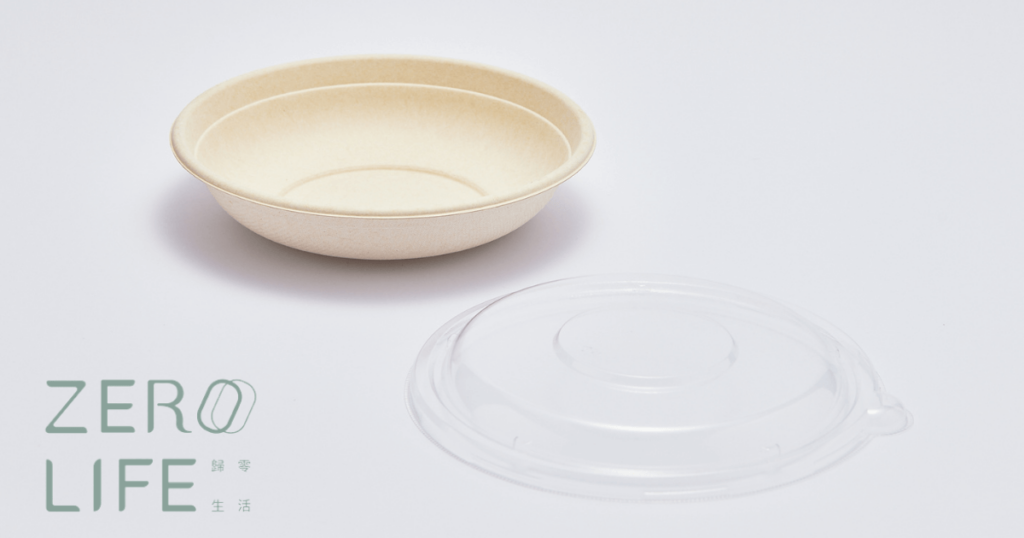
In a world that’s drowning in single-use plastics, finding the right way to package food sustainably is no small task. If you’re like me, you’ve probably wondered how the small decisions you make—like choosing eco-friendly food packaging containers—can leave a larger, positive impact on the planet. As more of us move toward environmentally conscious lifestyles, the importance of responsible materials like plant fiber meal boxes has never been clearer. Let’s explore what makes these containers a game-changing solution for both you and the planet!
Struggling to choose an eco-friendly food packaging option? You’re not alone! Many people are now seeking sustainable alternatives to traditional materials like plastic and Styrofoam. That’s where plant fiber meal boxes come in: durable, biodegradable, and convenient for everyday use. Whether you want to reduce your carbon footprint or embrace a greener lifestyle, switching to sustainable containers offers a practical, guilt-free way to enjoy your meals while helping the environment.
What Are Plant Fiber Food Packaging Containers?
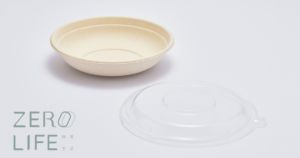
If you’re diving into the world of sustainable living, you’ve probably come across the term “plant fiber meal boxes” or similar eco-friendly food packaging containers. These containers are typically made from natural, renewable resources like sugarcane bagasse, wheat straw, or bamboo pulp. Unlike plastic or Styrofoam, plant fiber packaging is 100% compostable and biodegradable, meaning it will naturally break down into organic matter over time without leaving harmful microplastics behind.
The best part? These materials are byproducts of agricultural processes, so using them actively reduces waste. Instead of burning or discarding sugarcane stalks and wheat husks, we’re putting them to good use as sustainable food containers.
Why Should You Switch to Plant Fiber Containers?
- Reduce Plastic Pollution: Single-use plastics contribute heavily to global marine and land pollution. Switching to plant fiber boxes reduces your role in this environmental crisis.
- Compostable Advantages: Once you’re done with a plant fiber box, it can be safely disposed of in an industrial compost facility—or even your backyard compost—leaving zero waste behind.
- Non-Toxic Food Storage: Plastic containers often leach harmful chemicals into food when exposed to heat. Plant fiber packaging, in contrast, is chemical-free and food-safe.
- Energy Efficiency: Creating plant fiber containers uses less energy compared to the production of traditional plastics or Styrofoam, making it a more sustainable manufacturing option.
Real-Life Applications of Plant Fiber Packaging
At first glance, you may think these meal boxes are only suitable for eco-conscious cafes or food vendors. But the truth is, they’re incredibly versatile and perfect for personal, professional, and commercial use. Let me walk you through some of the ways you can incorporate plant fiber food packaging containers into your daily life.
1. Perfect for Takeout and Delivery
Do you order a lot of takeout? I do too, and one of the most frustrating parts for me is the Styrofoam or plastic containers that pile up after a single meal. By supporting restaurants that use plant fiber meal boxes, you contribute to reducing waste while enjoying your favorite dishes. Many forward-thinking food businesses are already embracing this trend—so start asking about their packaging options when you place an order!
2. Eco-Friendly Meal Prep
Plant fiber containers aren’t just for restaurants; you can use them at home too. If you’re into meal prepping (like I am!), they’re an excellent choice for storing your meals for the week. These biodegradable containers work well for dry, chilled, or mildly moist food, and unlike plastic options, they don’t accumulate grease stains or odors. Plus, knowing your containers are compostable feels like a bonus win.
3. Corporate Catering Solutions
For businesses offering catering services or hosting workplace lunches, plant fiber meal boxes provide an opportunity to align with sustainability goals. These containers are sturdy, reliable, and convey to clients and employees that your company values eco-conscious practices. Choose packaging that reinforces your commitment to reducing environmental impact.
Finding Quality Food Packaging Containers
Not all plant fiber packaging is created equal, so it’s essential to choose high-quality products from trusted suppliers. Here’s what to look for when selecting the right eco-friendly containers:
- Certification: Look for compostability certifications such as BPI or OK Compost, which guarantee that the container meets industry standards for biodegradability.
- Material Source: Make sure the raw materials are genuinely renewable resources like sugarcane or bamboo rather than mixed with synthetic compounds.
- Durability: High-quality plant fiber containers should be sturdy enough to handle hot or greasy foods without disintegrating.
- Lid Fit: If you’re ordering containers to use for food delivery or carry-out, ensure the packaging includes tight-fitting lids to prevent spills.
I’ve found it helpful to spend a bit of time researching brands that are transparent about their production processes. It’s also worthwhile to read customer reviews to gauge whether their containers hold up as advertised.
Practical Tips for a Smooth Transition
Switching to plant fiber meal boxes can feel overwhelming at first, but it doesn’t have to be. Based on my experience, here’s how you can easily adopt this eco-friendly alternative:
- Start Small: Try them out for specific situations, like storing leftovers or packing lunches, before fully replacing your plastic containers.
- Talk to Businesses: Encourage your favorite restaurants or cafes to transition to plant-based fiber packaging by providing feedback or suggesting suppliers.
- Educate Others: Share what you’ve learned about the benefits of plant fiber packaging with friends or family—it’s amazing how small conversations can lead to significant change.
Remember, every little step you take is a step toward a healthier planet. Just remember to compost the containers after use and avoid tossing them into regular landfill waste if possible.
The Future of Food Packaging Containers
As more people embrace eco-friendly lifestyles, plant fiber food packaging containers will continue growing in popularity. The demand isn’t just driven by consumers like us—it’s also being shaped by governments pushing for stricter regulations on single-use plastics. I believe the next few years will be pivotal in redefining how we approach packaging, and companies that adopt greener solutions early will set the tone for the future.
For individuals like you and me, this means we’re no longer stuck with harmful, outdated materials that harm the planet. By making conscious, sustainable choices today, we help create a cleaner, greener world for generations to come.
Wrapping It All Up
Making the switch to sustainable food packaging containers like plant fiber meal boxes isn’t just trendy—it’s necessary. As someone who’s committed to eco-friendly living, I can say firsthand that this transition comes with numerous advantages, from reducing plastic waste to supporting sustainable industries. The next time you’re choosing between conventional packaging and a biodegradable alternative, remember: you have the power to make a difference, one container at a time. So why not take that small but significant step today?