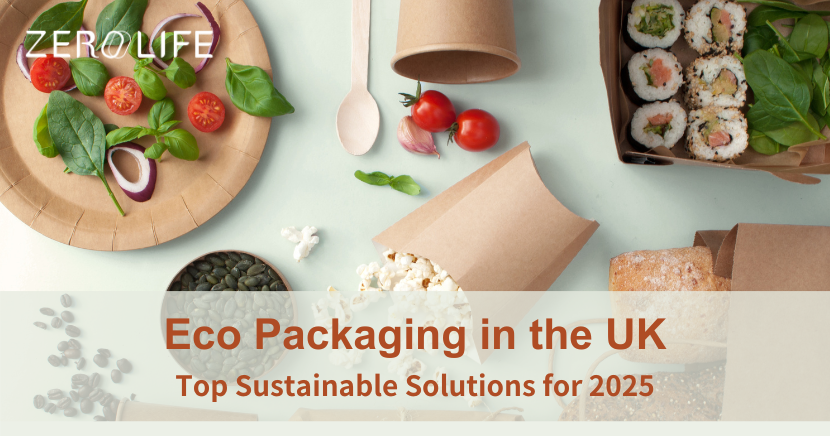
Greetings! In a world teeming with single-use plastics and unsustainable waste, the way we package everyday items plays a massive role in shaping the planet’s future. Packaging might seem like a trivial part of modern life, but its environmental impact is far from negligible. Today, there’s a growing movement in the UK and beyond toward eco-friendly alternatives, and I’m thrilled to delve into one of the most innovative solutions: plant fiber meal boxes and other sustainable eco-packaging options.
Eco packaging in the UK is leading the charge in sustainability for 2025 and beyond. With plant fiber meal boxes at the forefront, the shift to biodegradable, compostable, and reusable packaging is transforming how we approach waste management. Beyond reducing plastic usage, these solutions enhance convenience while promoting greener living. Let’s explore why eco packaging matters and uncover practical ways these solutions are revolutionizing industries, saving resources, and inspiring conscious consumerism.
The Rise of Eco Packaging in the UK
The UK has taken bold steps in battling plastic pollution, and packaging lies at the heart of this change. As a nation, the UK generates millions of tonnes of packaging waste, most of which ends up in landfills or, worse, in the ocean. But what if packaging didn’t have to harm the planet? This is where eco packaging comes in—a game-changer for both businesses and individuals.
What Makes Packaging Eco-Friendly?
Eco packaging isn’t just about being recyclable. It prioritizes renewable, natural materials and emphasizes minimal environmental impact throughout its lifecycle. Here’s what sets eco-friendly packaging apart:
- Compostable Materials: Breaks down naturally without releasing toxins.
- Renewable Resources: Sourced from materials like bamboo or sugarcane to leave minimal carbon footprints.
- Biodegradability: Completely decomposes back into the earth within months, not centuries.
- Recyclability: Designed for multiple uses without degrading in quality.
Why the UK is Leading the Way
From the government’s single-use plastics ban to consumers demanding ethical products, it’s clear why the UK stands out. With laws requiring businesses to limit waste and a surge in local sustainable innovations, such as plant fiber meal boxes, the market for eco packaging has skyrocketed. By opting for sustainable packaging solutions, businesses not only comply with regulations but also win over environmentally-conscious customers.
Plant Fiber Meal Boxes: A Green Revolution in Packaging
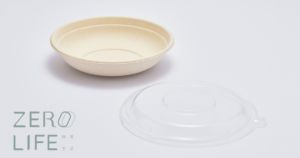
You might not think twice about a standard takeaway meal box, but plant fiber meal boxes are no ordinary containers. Made from agricultural byproducts like sugarcane (bagasse) or wheat straw, these boxes are practical, affordable, and incredibly eco-friendly.
The Key Benefits of Plant Fiber Meal Boxes
Switching to plant fiber meal boxes offers numerous advantages for businesses and individuals alike:
- Environmentally Friendly: Plant fiber boxes are 100% biodegradable and compostable, leaving no harmful residue behind.
- Microwave- and Freezer-Safe: Unlike polystyrene, these boxes hold up in heat and cold, making them perfect for reheating or long-term storage.
- Durable and Sturdy: Don’t mistake “eco-friendly” for flimsy; plant fiber boxes are strong enough to handle greasy or saucy foods without leaks.
- Reduced Carbon Footprint: Since these boxes are byproducts of agricultural waste, they repurpose materials that would otherwise end up discarded.
Real-World Applications of Plant Fiber Meal Boxes
Plant fiber meal boxes aren’t just confined to trendy restaurants—any business delivering food or packing meals can benefit from adopting these sustainable alternatives. Here’s how industries are already using plant fiber packaging effectively:
- Food Trucks and Cafes: Perfect for takeaways, plant fiber boxes maintain food temperature while securing freshness.
- Catering Services: Catering companies use these boxes to deliver food while aligning with eco-conscious event planning values.
- Grocery Stores: Pre-packed deli items, salads, or meal kits packaged in plant fiber boxes appeal to conscious shoppers.
These applications showcase just how versatile eco-packaging can be, catering to a wide array of needs without contributing to plastic waste.
Eco Packaging UK: Looking Ahead to 2025
As we approach 2025, it’s exciting to anticipate where eco-packaging innovations will take us. Here are some developments I foresee becoming mainstream in the UK:
New Materials Expanding in the Market
Sustainable meal boxes are just the start. Other innovative materials to watch include:
- Mushroom Packaging: Created using fungi, this durable and biodegradable material can replace everything from Styrofoam to cardboard.
- Seaweed-Based Films: Ideal for wrapping food or single-use items, seaweed-derived packaging is both edible and eco-friendly.
- Reusable Silicone: While not biodegradable, reusable silicone packaging drastically cuts waste through durability.
Wider Accessibility for Small Businesses
As demand for eco-packaging rises, costs are likely to decrease, making materials like plant fiber meal boxes more affordable for small businesses. This shift will encourage more enterprises to switch to eco-friendly options.
Consumer Awareness and Support
The consumer mindset is rapidly changing, and businesses with sustainable values tend to attract long-term customer loyalty. By 2025, I predict that eco-packaging will become the new standard expectation—and not just a bonus.
How You Can Contribute to the Eco Packaging Movement
Living sustainably doesn’t end with businesses. As individuals, we can make small changes in our everyday lives to support the eco packaging revolution. Here are a few actionable tips:
- Support Businesses Using Eco Packaging: Choose cafes, restaurants, and brands that prioritize sustainable packaging.
- Reuse and Repurpose: Opt for reusable containers instead of single-use meal boxes wherever possible.
- Compost at Home: If you receive compostable packaging, dispose of it responsibly to complete its eco-friendly lifecycle.
Together, every small effort adds up. By holding ourselves accountable and supporting businesses that align with sustainable values, we can reduce waste significantly and build a greener world.
Final Thoughts on Eco Packaging in the UK
The growing awareness around eco packaging in the UK is a promising step toward sustainable living, and plant fiber meal boxes are just one of the many innovations shaping a greener future. Whether you’re dining out, running a business, or simply shopping for essentials, choosing environmentally-conscious packaging can make a real difference. As we look ahead to 2025, I’m confident that continued progress in the eco-packaging space will bring us closer to a world where sustainability is natural and effortless.
Let’s embrace the transition together—one plant fiber box at a time!