
5 Eco Packaging Products That Are Helping Brands Reduce Waste and Save Money
The shift to sustainability is no longer just a trend—it’s a global necessity. As businesses look for ways to minimize their environmental impact, eco packaging products have emerged as a game-changer. These innovative solutions not only help reduce plastic waste but also offer cost-effective alternatives for brands aiming to make a difference. For consumers and businesses alike, adopting eco-friendly packaging is a win-win for the planet and the bottom line.
Why Eco Packaging Matters for Sustainable Living
As someone deeply committed to sustainable living, I’ve made a habit of researching packaging solutions that align with my eco-conscious values. Often, packaging waste accounts for a significant proportion of pollution, with single-use plastics being one of the worst offenders. Eco packaging products are designed to address this very issue by reducing waste, conserving resources, and—believe it or not—helping brands save money.
Switching to sustainable packaging isn’t just about saving the planet (although that should be reason enough). It’s also about creating smarter, healthier choices for consumers while sending a powerful message that brands care about their environmental impact. Here are five of my favorite eco packaging solutions helping brands transition toward a greener future.
1. Plant Fiber Meal Boxes: A Cost-Effective Solution for Food Businesses
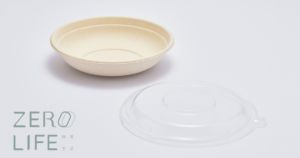
One of the standout eco packaging products I’ve discovered is plant fiber meal boxes. These are made from agricultural waste such as sugarcane bagasse or wheat straw, which are typically by-products of crop harvesting. Rather than letting this natural material go to waste, manufacturers repurpose it into biodegradable, compostable packaging.
Why Plant Fiber Meal Boxes Are a Game-Changer
Here’s what makes these packaging products so impressive:
- Eco-Friendly Material: Plant fibers are fully biodegradable, breaking down completely within 30-60 days in composting facilities. Unlike Styrofoam or plastic, they won’t sit in a landfill for hundreds of years.
- Heat-Resistance: These boxes are durable enough to withstand hot foods and liquids, making them a reliable choice for restaurants, take-out chains, and catering businesses.
- Cost Savings: In bulk, they can be surprisingly affordable, especially when compared to the costs of plastic along with waste collection and disposal fees.
Brands using plant fiber meal boxes have positioned themselves as leaders in sustainability. For example, many environmentally conscious restaurants in my city have already adopted these for take-out orders—and customers love knowing they’re supporting a business making responsible choices.
2. Compostable Mailers: A Plastic-Free Alternative for E-Commerce
For e-commerce brands, packaging often means a heavy reliance on plastic mailers and bubble wrap. But compostable mailers are here to change the game. Made from materials like cornstarch or PLA (polylactic acid), these products decompose completely without leaving harmful residues.
Benefits E-Commerce Brands Can Reap
- Lightweight and Durable: Compostable mailers are just as sturdy as plastic but much better for the planet.
- Versatile: They work well for shipping clothing, books, and other non-fragile items.
- Customer Appeal: An eco-conscious approach resonates with sustainability-minded consumers who value brands taking a stand against plastic pollution.
When I shop online, I always notice when companies use eco-friendly packaging, and it often makes me loyal to their brand. Compostable mailers are a simple yet impactful way to align with consumer values.
3. Recycled Cardboard Boxes: Making the Most of Existing Materials
Recycled cardboard boxes are perhaps the easiest eco packaging solution for businesses to adopt. Repurposing post-consumer waste into durable, functional boxes reduces the demand for virgin tree pulp and minimizes energy usage during production.
Why Recycled Cardboard is So Effective
- Closed-Loop Recycling: These boxes can often be recycled again, supporting a circular economy.
- Affordable and Customizable: Companies can order them in various sizes and even have them printed with their branding using eco-friendly inks.
- Versatility: From small retail goods to oversized appliances, recycled cardboard works for packaging almost anything.
I’ve seen firsthand how recycled cardboard has replaced traditional packaging even in luxury markets. High-end brands are proving you don’t need glossy, environmentally harmful materials to deliver a premium experience for customers.
4. Edible Packaging: An Innovative Solution That’s Gaining Traction
While it may sound futuristic, edible packaging is already here—and it’s changing how we package food and beverages. Made from substances like seaweed, rice, or potato starch, edible packaging is safe to consume (if not eaten, it decomposes completely).
How Edible Packaging Addresses Food Industry Waste
- Single-Serving Convenience: Perfect for portion-controlled products like coffee pods or condiment sachets.
- Minimal Waste: No need for disposal; simply eat or compost it after use.
- Innovative Appeal: By using edible materials, brands create a memorable experience for consumers, helping them stand out.
I once attended a food expo where a brand showcased edible water pods as a replacement for plastic water bottles. Not only were they functional, but they also offered a fun, interactive way to communicate their sustainability vision with consumers.
5. Mushroom-Based Packaging: Nature’s Biodegradable Gift
Mushroom-based packaging is one of the newest eco packaging products shaking up the industry. Made from mycelium (the root structure of fungi), this packaging is grown—yes, grown—into molds specific to the product it needs to protect.
A Sustainable Replacement for Styrofoam
- 100% Natural: Once disposed of, mushroom packaging decomposes entirely in the soil within 30-90 days.
- Resource-Efficient: It’s grown using agricultural by-products like corn husks or hemp, requiring minimal water and energy.
- Protective Properties: This material is naturally shock-absorbent, making it perfect for fragile items such as electronics or glassware.
I’ve seen mushroom packaging being used by artisanal brands that sell everything from handmade soaps to premium wines. It’s a great conversation starter and reinforces their image as sustainable pioneers.
How You Can Support the Eco Packaging Movement
Whether you’re a consumer or a business owner, there are many ways to embrace eco packaging and contribute to waste reduction:
- Choose Products with Eco Packaging: Support brands using sustainable alternatives and avoid single-use plastics where possible.
- Encourage Recycling: Opt for items that are recyclable or compostable and educate others on proper disposal practices.
- Advocate for Change: If you’re a business owner, communicate your commitment to sustainability by adopting eco packaging products.
By aligning our actions with sustainable practices, we not only reduce waste but also encourage companies around the world to make better choices for the environment.
Closing Thoughts on Eco Packaging Products
The journey toward a more sustainable future starts with small, intentional changes. Eco packaging products like plant fiber meal boxes, compostable mailers, recycled cardboard boxes, edible packaging, and mushroom-based packaging offer clear environmental benefits while providing practical, cost-effective solutions for businesses.
As I continue exploring these alternatives, I am reminded of the powerful impact these choices can make—not just on reducing waste but also on inspiring others to rethink their relationship with disposable materials. Together, we can create a healthier, greener planet, one package at a time.