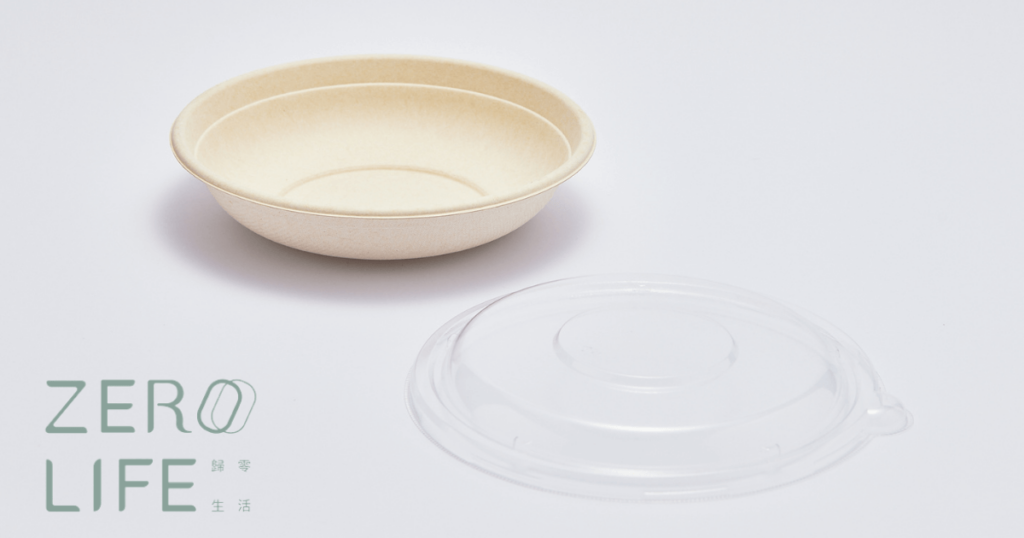
Welcome to my blog, where we explore innovative ways individuals and businesses can contribute to a sustainable future. In today’s post, I’m diving into a topic that’s close to my heart—eco packaging in Malaysia. With plastic waste polluting our oceans and landfills, finding affordable and eco-friendly alternatives isn’t just a trend; it’s a necessary step toward protecting our planet. Let’s explore how Malaysian businesses are embracing sustainability without compromising their budget or quality.
Eco packaging in Malaysia is gaining momentum as businesses adopt green solutions like plant fiber meal boxes—practical, cost-effective, and environmentally responsible alternatives to traditional plastic packaging. These options reduce waste, contribute to sustainability goals, and ensure businesses can operate more responsibly. Let’s unpack why plant fiber boxes are becoming a preferred choice for Malaysian companies aiming to go green.
What is Eco Packaging in Malaysia?
Eco packaging refers to sustainable and environmentally friendly materials designed to reduce waste and minimize carbon footprints. In Malaysia, this concept has gained significant traction as businesses and individuals become more environmentally conscious—and for good reason. The country has faced increasing challenges with plastic pollution, and adopting greener alternatives is a vital way to tackle these issues.
Businesses in Malaysia are now transitioning to innovative packaging materials such as:
- Plant fiber meal boxes
- Biodegradable plastics
- Reusable or recyclable packaging
- Compostable paper and cardboard packaging
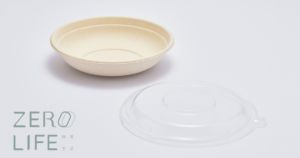
Among these options, plant fiber meal boxes stand out as a practical and scalable solution. They’re made from natural agricultural by-products, are non-toxic, and decompose quickly—making them an environmentally sound choice.
The Rise of Plant Fiber Meal Boxes in Malaysia
Plant fiber meal boxes aren’t just functional; they’re also transforming the food packaging industry in Malaysia. As someone who has researched and witnessed this shift, it’s inspiring to see businesses embrace these eco-conscious options. But why is it happening now?
1. Alignment with Sustainability Goals
The Malaysian government, as well as non-governmental organizations (NGOs), has implemented initiatives to reduce single-use plastics and encourage eco-friendly alternatives. For example, the “Say No to Plastics Bag” campaign has accelerated the adoption of plant fiber meal boxes. Businesses are incentivized to switch as they align with environmental policies and earn recognition from eco-conscious consumers.
2. Cost-Effective for Businesses
Many believe sustainability comes with a high price tag, but plant fiber boxes are helping reshape this perspective. These meal boxes are made from agricultural waste like sugarcane pulp (bagasse), rice husks, and bamboo fibers—all of which are readily available in Southeast Asia. The abundance of raw materials makes production cost-effective and affordable, even for small businesses.
3. Favorable Consumer Perceptions
From personal experience, more consumers are willing to pay a premium for businesses that prioritize green practices. Plant fiber meal boxes demonstrate a commitment to sustainability, enhancing brand reputation and customer loyalty. When companies show they care about the environment, they create a stronger emotional connection with their audience.
Environmental Benefits of Plant Fiber Meal Boxes
The switch to eco packaging in Malaysia isn’t just about solving a waste problem—it’s about creating a ripple effect of positive environmental outcomes. Plant fiber meal boxes, in particular, offer a range of benefits:
- They are biodegradable, breaking down naturally within 45-90 days.
- Their production requires fewer resources and emits lower greenhouse gases compared to plastic.
- They help reduce the demand for virgin materials like petroleum, used in traditional plastic production.
- Unlike styrofoam or certain plastics, they are safe for food packaging and non-toxic to humans and wildlife.
By opting for these containers, businesses actively contribute to reducing waste in landfills and oceans while conserving valuable resources for future generations.
How Businesses Can Transition to Eco Packaging in Malaysia
Switching to eco-friendly packaging may seem daunting, but it’s entirely manageable with a clear plan. Here’s how businesses in Malaysia can make the transition seamlessly:
- Assess Current Usage: Start by analyzing your current packaging materials. Identify areas where traditional plastics or non-recyclable options are being used, and evaluate the volume of waste generated.
- Research Suppliers: Collaborate with reliable suppliers of plant fiber meal boxes and other eco-friendly alternatives. Many Malaysian suppliers offer competitive pricing for biodegradable packaging.
- Educate Stakeholders: Engage your staff and customers in your sustainability journey. Explain the shift to eco packaging and the benefits it brings to both the environment and the business.
- Implement Gradually: For larger businesses, start with a pilot program or replace packaging for select products. Gradual implementation helps mitigate operational and financial risks.
- Track and Communicate Progress: Regularly review the impact of the switch, and don’t shy away from sharing results with your customers. Social media is an excellent platform to showcase your eco-friendly initiatives.
Practical Applications of Eco Packaging in Malaysia
Plant fiber meal boxes are versatile and serve a wide range of industries, particularly in the food and beverage sector. From my own observations, they’re now commonly used for:
- Food Deliveries: Restaurants and food delivery services are choosing plant fiber boxes for their durability and ability to maintain food freshness.
- Takeaway Packaging: Cafes and eateries use these boxes to package meals conveniently and sustainably.
- Catering Events: Large-scale events and catering businesses use these boxes for single-serve meals, reducing plastic waste significantly.
These real-world applications highlight how accessible and practical eco packaging has become.
Conclusion: Why Eco Packaging in Malaysia Matters
As someone passionate about sustainability, I’m inspired by how Malaysian businesses are stepping up to adopt eco-friendly practices. Eco packaging, especially plant fiber meal boxes, is sending a clear message: going green doesn’t have to break the bank. As more companies embrace these alternatives, we can look forward to a cleaner, greener planet.
If you’re a business owner, consider this your sign to make the shift. Each small step—whether through adopting plant fiber boxes or other eco alternatives—contributes to a more sustainable future. Together, we can make a meaningful difference. Let’s lead the way and inspire global change.
What are your thoughts on eco packaging in Malaysia? I’d love to hear from you in the comments below!