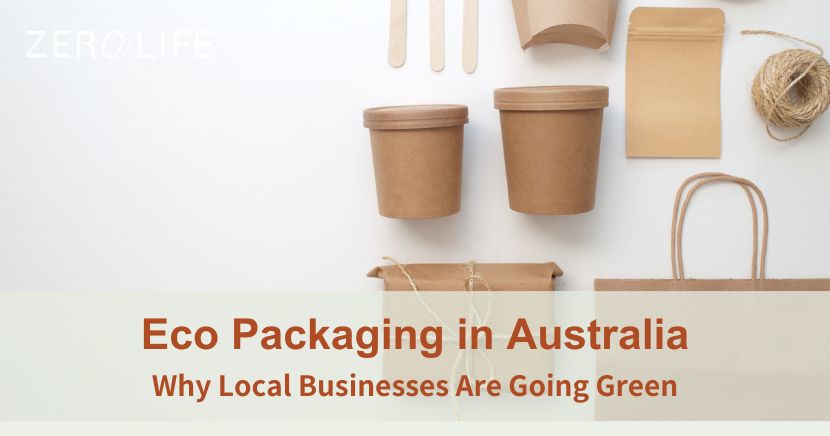
We’ve all heard the phrase, “think globally, act locally.” When it comes to sustainability, this mindset couldn’t be more critical. Here in Australia, local businesses are leading the charge in adopting eco-friendly solutions, like innovative plant fiber meal boxes, to tackle the global plastic crisis. These simple yet effective changes not only reduce plastic waste but also pave the way for a greener future. Let’s dive into why eco-packaging is becoming a game-changer for Australia and the world.
Eco packaging in Australia is more than just a trend—it’s a movement fueled by a commitment to sustainability, reducing waste, and embracing innovative solutions. For small cafés to large corporate giants, this shift in packaging reflects a drive to protect the environment while meeting consumer demand for eco-friendly alternatives. In this post, I’ll share why plant fiber meal boxes are at the heart of this transformation, how they benefit businesses, and the environmental impact they support.
Why Eco Packaging in Australia Is Transforming the Landscape
Australia has some of the strictest waste and recycling regulations globally, and with good reason—the country produces over 2.5 million tons of plastic waste annually! While recycling efforts are improving, the reality is that less than 10% of plastic waste gets successfully recycled. This inefficiency has prompted an urgent need for businesses to seek alternatives. Cue eco packaging: biodegradable, compostable, and often made from renewable resources.
What Makes Plant Fiber Meal Boxes Stand Out?
Plant fiber meal boxes, made from materials like sugarcane bagasse, wheat straw, or bamboo, are not only environmentally friendly but also highly functional. Unlike their single-use plastic counterparts, these boxes decompose naturally, leaving no harmful residue behind. Here’s what truly sets them apart:
- Renewable sources: Materials like sugarcane and bamboo are fast-growing, ensuring a steady supply without depleting natural resources.
- Biodegradability: These boxes can break down in a composting environment within 90 days—a stark contrast to plastics, which can take hundreds of years.
- Heat resistance: Perfect for takeaway meals, these boxes stay sturdy even when used for hot or oily foods.
From my perspective, adopting plant fiber meal boxes has been a no-brainer. Customers associate these products with eco-conscious choices, giving businesses an edge in an increasingly sustainability-driven market.
The Benefits of Eco Packaging for Australian Businesses
Going green doesn’t just benefit the planet; it’s also a practical move for businesses. Here’s how eco packaging in Australia is creating win-win scenarios:
1. Meeting Consumer Demands
More consumers today are looking for brands that care about the environment. By switching to plant fiber meal boxes, cafes, restaurants, and catering services show their commitment to sustainability. This resonates deeply with eco-conscious customers and fosters brand loyalty.
2. Compliance with Regulations
Australia is moving forward with bans on single-use plastics in most states, such as Victoria and Queensland. Switching to biodegradable packaging like plant fiber meal boxes ensures compliance with these ever-evolving laws while staying ahead of the curve.
3. Enhancing Brand Reputation
- Collaborating with like-minded partners: Suppliers of eco-packaging frequently promote businesses that use their products, expanding marketing reach.
- Certifications and labeling: Packaging with compostable or biodegradable labels demonstrates clear evidence of sustainability efforts, which boosts credibility.
4. Saving on Disposal Costs
Plastic waste disposal often carries hefty fees, especially with specific landfill taxes applied in some regions. Eco packaging, being compostable, lowers overall waste output and reduces associated fees.
How to Incorporate Eco Packaging into Your Business
Switching to eco packaging isn’t as daunting as it may seem. Here are some steps and actionable recommendations to smoothly make the transition:
1. Partner with Trusted Suppliers
Work with suppliers specializing in eco-friendly materials. Look for certifications such as FSC (Forest Stewardship Council) or compostability labels to ensure authenticity. Some notable suppliers in Australia include:
- BioPak
- Green Pack
- Bambox
2. Know Your Waste Streams
Understand your local composting or recycling facilities’ capabilities. Many biodegradable products can only break down efficiently under industrial composting conditions, so ensure you’re working in harmony with available infrastructure.
3. Educate Your Staff and Customers
Train employees to handle new packaging systems and educate customers on how to dispose of the materials correctly. Adding signage or labels explaining how meals come in eco-friendly plant fiber boxes can enhance awareness.
4. Start Small, Scale Gradually
If completely overhauling your packaging solutions feels overwhelming, begin with a single product line—like takeaway meals or catering trays—and scale as you gain confidence in the switch.
The Global Influence of Eco Packaging in Australia
One of the most inspiring aspects of eco packaging in Australia is its growing influence beyond borders. As international eco-consciousness rises, Australian businesses are regarded as pioneers in sustainable packaging solutions. The innovations stemming from Australian companies, particularly in utilizing plant fibers, have inspired similar changes in countries that are just beginning to phase out plastics.
Encouraging Sustainable Choices Globally
Australia’s model of banning single-use plastics, promoting compostable alternatives, and investing in sustainable infrastructure sets an example for the world. International companies can learn from the country’s journey by adopting similar materials and business practices.
Building a Circular Economy
The adoption of eco packaging creates a ripple effect: businesses turn to renewable resources, support local industries (like Australian sugarcane farms), and help foster the development of a true circular economy, where waste becomes a resource rather than a burden.
Collaborating Across Borders
As businesses in Australia collaborate with international stakeholders, such as packaging innovators and distributors, they create a network of shared expertise. This collaboration benefits companies worldwide, offering scalable solutions to combat plastic pollution.
Final Thoughts: A Green Future Through Eco Packaging
Eco packaging in Australia isn’t just about following a trend—it’s about reshaping the relationship between businesses, consumers, and the planet. Switching to plant fiber meal boxes and other sustainable packaging options signals a commitment to a greener and more responsible future. It doesn’t just make sense environmentally—it makes sense economically and socially, too.
For those reading from across the globe, Australia’s story is a beacon of hope and a roadmap for change. As I’ve seen firsthand, the collective power of small, thoughtful changes—like replacing plastic with eco-friendly boxes—can create a big environmental impact. Let’s learn from one another and take steps toward a sustainable tomorrow.