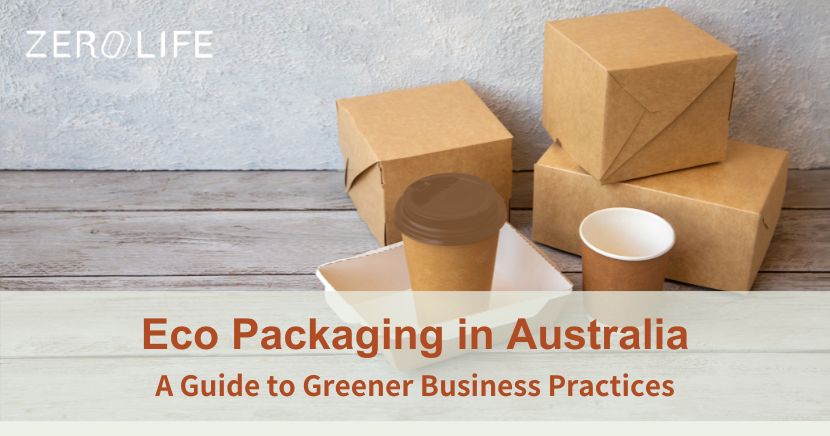
Sustainability is no longer just a buzzword; it’s a global necessity. Businesses and consumers alike face the challenge of reducing environmental harm while maintaining functionality and convenience. When it comes to dining, the rise of eco-packaging solutions like plant fiber meal boxes offers a promising way to cut down on single-use plastics. In Australia, a growing leader in green initiatives, eco-packaging is playing a critical role in reshaping the way businesses and individuals approach waste and sustainability.
Eco-packaging in Australia is leading the charge for better, greener practices in global business. Plant fiber meal boxes, crafted from renewable resources such as sugarcane and bamboo, are game-changing solutions to replace harmful single-use plastics. From eco-conscious restaurants to takeout chains looking to reduce their environmental footprint, these alternatives deliver practical benefits like biodegradability, durability, and affordability. Here’s your complete guide to understanding and adopting eco-packaging solutions in Australia.
Why Eco Packaging Australia is a Big Deal for Sustainability
Australia has emerged as an eco-forward nation, pushing businesses to adopt sustainable practices and reduce their reliance on environmentally destructive materials like single-use plastics. But why is this so important?
Plastic Pollution: A Global Crisis
The world produces millions of tons of plastic every year, with much of it ending up in landfills, oceans, and waterways. Plastic waste takes hundreds of years to fully decompose, polluting ecosystems and threatening marine and wildlife. In Australia alone, an estimated 130,000 tons of plastic leak into the environment annually, creating long-lasting damage.
Eco-packaging, particularly solutions like plant fiber meal boxes, is a tangible answer to this problem. Made from natural, renewable materials such as sugarcane pulp (bagasse) or bamboo, these products break down quickly in composting conditions, offering a much-needed alternative without sacrificing convenience or quality.
Governmental Push for Change
Australia is enforcing ambitious waste-reduction targets as part of its National Plastics Plan 2021. The plan includes phasing out certain single-use plastic items, such as takeaway food containers and cutlery. Businesses must now pivot toward materials and practices that comply with these regulations, making eco-packaging an essential component of Australia’s sustainable future.
The Practical Benefits of Plant Fiber Meal Boxes
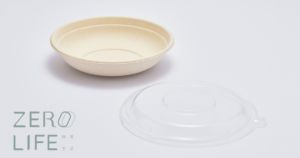
One standout eco-packaging option is the plant fiber meal box. These containers are created from agricultural byproducts, such as sugarcane, wheat straw, or bamboo, and are gaining support as a high-quality solution to meet the growing demand for sustainable food packaging.
1. Eco-Friendly and Biodegradable
The biggest advantage of plant fiber meal boxes is their environmental impact—or lack thereof. Unlike plastic, which clogs landfills and harms ecosystems, plant fiber packaging is biodegradable and compostable. In a composting environment, these containers can break down in as little as 60-120 days, leaving no harmful residues behind.
2. Durable and Functional
Despite their natural origins, plant fiber products are surprisingly durable. They can hold both hot and cold meals without warping or leaking, making them perfect for a wide range of uses. Whether it’s a steaming hot curry or a fresh summer salad, plant fiber meal boxes maintain their structural integrity and keep food fresh.
3. Cost-Efficient for Businesses
Many businesses hesitate to switch to eco-friendly packaging because of perceived costs. However, plant fiber meal boxes have become increasingly affordable as demand grows and production scales up. In fact, lightweight options reduce shipping expenses, adding to their appeal for cost-conscious restaurant owners and food service providers.
How Businesses Can Transition to Eco Packaging in Australia
For business leaders, making the shift to sustainable packaging options like plant fiber meal boxes might seem daunting. But with the right strategies, it’s easier than you think.
Evaluate Your Packaging Needs
The first step is to assess what kind of packaging your business currently uses. Do you regularly package hot items, cold beverages, or mixed dishes? Considering your specific requirements will help you identify the right eco-packaging solutions.
Source Reputable Suppliers
Partner with suppliers who specialize in eco-packaging and adhere to industry standards like compostability certification (e.g., AS 5810 for Australia). Many Australian companies now offer customizable options for plant fiber meal boxes, allowing you to incorporate your branding while keeping sustainability at the forefront.
Educate Your Customer Base
Switching to eco-packaging is more than an operational change—it’s a marketing opportunity. Inform your customers about your decision to prioritize sustainability. Use social media campaigns, product labeling, or signage to highlight the eco-friendly features of your plant fiber packaging. Customers are increasingly choosing to support businesses that align with their values, and this transparency builds trust and loyalty.
Making the Eco-Friendly Choice: Why It Matters
Switching to eco-packaging solutions like plant fiber meal boxes isn’t just a responsible choice—it’s the smart one. It helps protect the environment, aligns with regulatory trends, and meets growing consumer demand for sustainability. If you’re still on the fence, consider these additional benefits:
- Boosting Brand Reputation: Businesses that adopt eco-friendly practices are seen as innovators, gaining appreciation in a competitive market.
- Reducing Carbon Footprint: Renewable materials like sugarcane and bamboo require less energy to produce than petroleum-based plastics.
- Preparing for the Future: Adopting compostable packaging now ensures compliance with evolving regulations, saving businesses from last-minute changes or penalties.
Tips for Individuals Supporting Eco Packaging in Australia
Eco-packaging isn’t just for businesses. Individual consumers can play a key role in driving its adoption. Here’s how you can make a difference:
1. Choose Brands That Prioritize Sustainability
Support local and international businesses that actively use eco-packaging. Whether you’re ordering takeout or shopping for groceries, inquire about eco-friendly options and reward brands making greener choices.
2. Compost Plant Fiber Boxes When Possible
If you’re using plant fiber meal boxes at home, make sure to dispose of them properly. Many of these containers are compostable in backyard systems or commercial facilities, ensuring they don’t end up in the trash.
3. Advocate for Policy Changes
As a consumer, you have the power to encourage wider adoption of eco-packaging by advocating for government policies that phase out single-use plastics. Engage in community projects, sign petitions, and spread awareness about the importance of sustainable practices.
Conclusion
Eco-packaging in Australia isn’t just a trend—it’s an essential step towards a more sustainable planet. By integrating reusable and compostable solutions like plant fiber meal boxes, businesses and consumers can work together to minimize waste, reduce pollution, and safeguard the environment for generations to come. Whether you’re a small-business owner or simply someone who cares about the planet, now is the time to embrace greener choices. Together, we can redefine the future of packaging and create meaningful change.