The way we package our food, goods, and everyday essentials isn’t just a matter of convenience anymore—it’s about responsibility. With plastic waste choking our oceans and harming wildlife, the urgency to switch to sustainable alternatives is undeniable. One innovative solution gaining traction is eco-friendly pulp fibres, particularly in the form of plant fiber meal boxes. These packaging materials offer a sustainable yet practical way to reduce our environmental footprint. Let me show you why they are becoming the shining star of sustainable living.
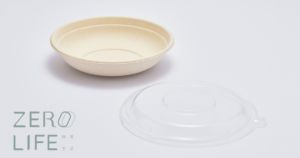
The shift to eco-friendly pulp fibres in packaging addresses the global challenges of plastic waste and pollution. Plant fiber meal boxes, crafted from renewable materials like sugarcane bagasse or bamboo, are biodegradable and compostable, making them a sustainable alternative to traditional plastic. Beyond reducing trash in landfills, these solutions align with international eco-consciousness trends. From takeout meals to home-cooked leftovers, sustainable packaging is proving that we can support the planet without sacrificing convenience or functionality. Now, let’s dive deeper.
What Are Eco-Friendly Pulp Fibres?
Eco-friendly pulp fibres come from plant-based materials that are renewable, compostable, and biodegradable. These materials are processed into sturdy yet lightweight fibres, perfect for creating single-use packaging like meal boxes, trays, and other containers that can replace harmful plastics. What makes them stand out is their low environmental impact across the entire product life cycle—from production to disposal.
Key Materials Used for Eco-Friendly Pulp Fibres:
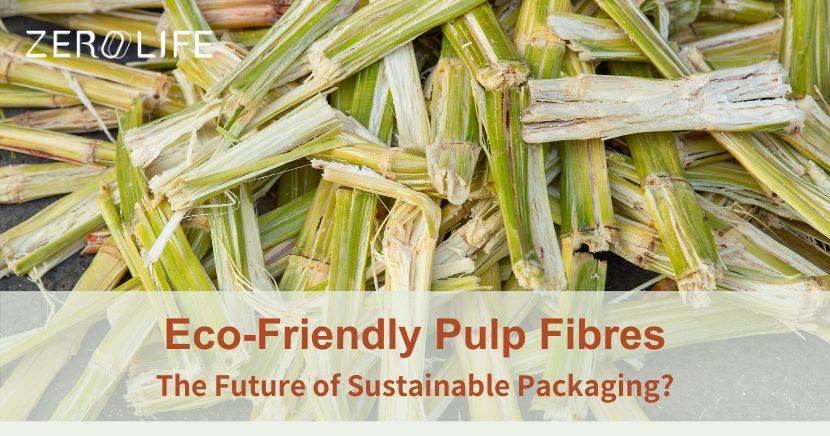
- Sugarcane Bagasse: A by-product of the sugar extraction process that would otherwise be discarded or burned as agricultural waste.
- Bamboo: A fast-growing plant that is easy to cultivate with little environmental impact.
- Wood Pulp: Sourced responsibly from timber, often as part of sustainable forestry initiatives.
How They Work in Sustainable Packaging
Eco-friendly pulp fibres are molded into different shapes and sizes, making them highly adaptable for various packaging needs. Unlike plastic, these fibres are fully compostable, meaning they break down naturally in composting facilities or even your backyard compost heap. This not only keeps plastics out of ecosystems but also nourishes the soil.
Why Are Eco-Friendly Pulp Fibres the Future of Packaging?
The environmental benefits of pulp fibres are undeniable, but their appeal doesn’t stop there. Here’s why they’re poised to revolutionize the packaging industry:
Environmental Advantages
- Biodegradability: Unlike traditional plastics that take centuries to decompose, eco-friendly pulp fibres break down naturally within a few months.
- Lower Carbon Footprint: The production process emits far fewer greenhouse gases compared to plastic manufacturing.
- Reduced Dependence on Fossil Fuels: These materials are plant-based, lessening the need for petroleum extraction.
Consumer Benefits
- Food Safety: Pulp fibre boxes are free from harmful chemicals typically found in plastic packaging, making them safer for food contact.
- Durability: They are resistant to heat and moisture, ensuring your food stays fresh during transport.
- Convenience: These boxes are microwave-safe and freezer-friendly, making them suitable for modern lifestyles.
The Impact on Businesses
Switching to eco-friendly pulp fibres isn’t just good for consumers—it’s also a game-changer for businesses. Many companies are adopting these materials to meet growing consumer demand for sustainable practices and to comply with new regulations banning single-use plastics. By using plant fiber meal boxes, businesses can:
- Align with sustainability goals: A clear public commitment to eco-friendly practices can improve brand reputation.
- Attract eco-conscious customers: Sustainable packaging is a selling point for a growing segment of environmentally aware consumers.
- Save on long-term costs: Compostable materials reduce waste disposal fees and may qualify for tax incentives in some areas.
Applications for Plant Fiber Meal Boxes
The versatility of plant fiber meal boxes means they are making their way into various industries. From everyday use to large-scale commercial applications, this form of packaging offers solutions tailored to today’s sustainability challenges.
Common Use Cases:
- Takeout and Delivery: Eco-friendly meal boxes are an excellent choice for restaurants and food delivery services aiming to reduce their plastic waste.
- Food Retail: Supermarkets can use pulp-fibre trays for fresh produce, meats, and baked goods.
- Home Use: These containers make great alternatives to plastic Tupperware or aluminum foil for storing leftovers safely and sustainably.
Innovations in the Industry
Recent developments in eco-friendly packaging include coatings that improve resistance to oils and liquids, making pulp fibre meal boxes comparable to plastic in terms of functionality. Meanwhile, research into integrating other agricultural by-products, such as wheat straw and corn husks, is expanding the scope of materials available for sustainable packaging solutions.
How You Can Support the Eco-Friendly Movement
While businesses play a crucial role in this transformation, individual actions matter too. Supporting eco-friendly pulp fibres can be as simple as the choices we make while shopping or dining out.
Here’s How You Can Get Involved:
- Opt for Restaurants and Brands Using Eco-Friendly Packaging: Spend your money supporting businesses that prioritize sustainability.
- Compost at Home: If you have a composting setup, dispose of your used meal boxes in the compost instead of the trash.
- Advocate for Community Adoption: Encourage local retailers and businesses to adopt eco-friendly pulp packaging.
Final Thoughts on Eco-Friendly Pulp Fibres
Switching to eco-friendly pulp fibres isn’t just a trend—it’s a necessity. As a global community, we can tackle the plastic crisis and create a healthier planet by embracing innovative, sustainable technologies like plant fiber meal boxes. After using them personally, I can confirm they don’t merely reduce waste—they elevate our daily lives with thoughtful, eco-conscious functionality. Together, let’s push for a greener, cleaner future one meal box at a time.