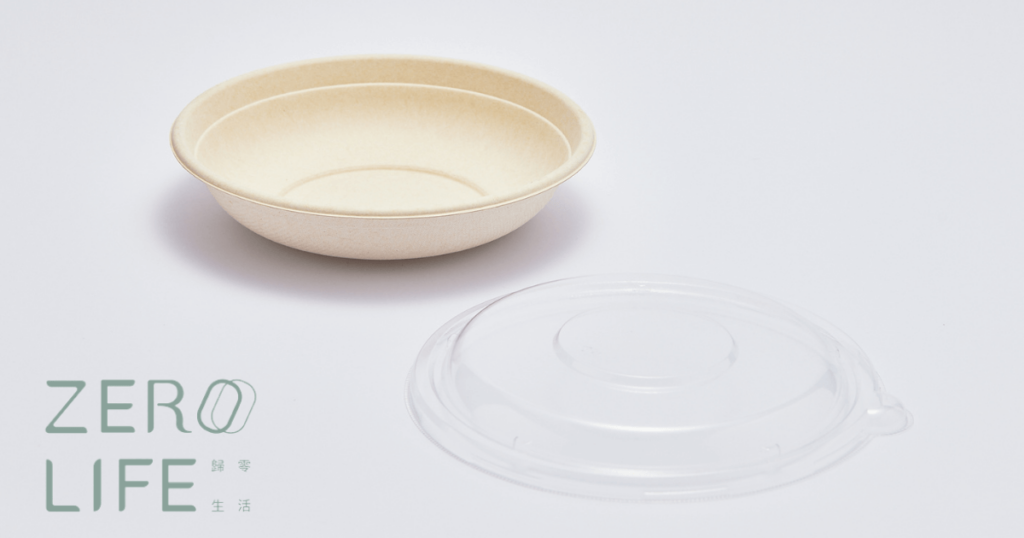
Welcome to a world where eco-friendly pulp fibres are changing the way we package our everyday products. With plastic waste choking our oceans and filling our landfills, it’s time to embrace sustainable alternatives that champion the planet without compromising on functionality. One revolution in sustainable living that I can’t stop talking about is plastic-free packaging made from plant fibre meal boxes—an ingenious solution to reducing waste while staying kind to the Earth. Let’s dive into why these biodegradable wonders are the future!
Plant fibre meal boxes are an incredible innovation that combines sustainability with practicality. These packaging solutions are crafted from renewable materials like sugarcane bagasse, bamboo fibre, or wheat straw, offering a cleaner, greener way to package food and products. Unlike single-use plastics that can linger in landfills for centuries, these boxes degrade naturally, leaving minimal environmental impact. They are versatile, cost-effective, and support a future free from plastic pollution, making them an obvious choice for eco-conscious individuals and businesses alike.
Why Eco-Friendly Pulp Fibres Matter in Sustainable Packaging
The rise of eco-friendly pulp fibres represents a vital shift in the way we approach packaging materials. With over 300 million tons of plastic produced globally each year, most of which goes to waste, finding sustainable solutions is more urgent than ever. Pulp fibres offer a renewable, biodegradable alternative to plastic, turning agricultural by-products into functional, environmentally smart packaging.
Reducing Plastic Pollution, One Box at a Time
When I first learned about the environmental havoc caused by single-use plastics, I started looking for alternatives that didn’t harm the planet. That’s when I discovered plant fibre meal boxes made from eco-friendly pulp fibres. These boxes are designed to degrade naturally within a few months, unlike plastic packaging, which can take hundreds of years to break down.
What’s more, by switching to pulp-based packaging, businesses and individuals can collectively reduce the amount of plastic waste entering our ecosystems every single day. It’s a simple change, but one that has a lasting impact on preserving wildlife, marine environments, and global biodiversity.
Hypoallergenic, Non-Toxic Packaging You Can Trust
Have you ever stopped to think about the chemicals that could be leaching into food stored in plastic containers? Eco-friendly pulp fibres eliminate this concern entirely. Plant fibre meal boxes are non-toxic, BPA-free, and safe for direct contact with food and beverages. Knowing that my lunch comes in a container that’s safe for both me and the environment has been a total game-changer.
How Eco-Friendly Pulp Fibres Support a Circular Economy
Another reason why pulp fibres are so exciting is their role in promoting the circular economy. Instead of extracting new resources, pulp packaging reuses agricultural waste like sugarcane bagasse, rice husks, or wheat straw—materials that would otherwise be discarded. By giving these by-products a second life, we reduce waste, conserve natural resources, and support more sustainable production practices.
Key Benefits of Plant Fibre Meal Boxes
Switching to plant fibre meal boxes made from eco-friendly pulp fibres comes with numerous advantages, for both the individual consumer and larger businesses. Here’s why this packaging solution is worth considering:
1. Biodegradability and Compostability
Unlike petroleum-based plastics, pulp fibre boxes are fully biodegradable. You can toss them in your home compost bin or let municipal composting facilities break them down naturally. This process typically takes just a few months, leaving behind nutrient-rich organic matter that supports soil health.
- Minimal landfill contribution: Pulp boxes degrade faster and don’t contribute to long-term waste buildup.
- Reduced carbon footprint: Composting generates fewer emissions than incinerating plastic waste.
- Eco-conscious disposal: Compostable products give consumers an easy way to dispose of packaging responsibly.
2. Temperature and Moisture Resistance
One common misconception about pulp fibre packaging is that it’s too flimsy for practical use. On the contrary, modern meal boxes are engineered to resist moisture, grease, and even moderate heat levels. Whether you’re packing a fresh salad or reheating leftovers in the microwave, these containers can handle it.
3. Aesthetically Pleasing and Versatile
There’s no denying that plant fibre meal boxes look chic. The natural textures and earthy tones of pulp fibres give these containers a premium, eco-friendly aesthetic that’s perfect for restaurants, food vendors, and eco-conscious brands trying to make a strong impression.
Real-World Applications of Eco-Friendly Pulp Fibres
The practical uses of pulp fibre meal boxes extend far beyond takeout containers. Their versatility makes them a top choice for various industries, including food service, retail, and personal use.
1. Restaurants and Cafes
Many eateries are adopting pulp fibre containers for both dine-in and takeaway purposes. Not only does this align with consumer demand for sustainable practices, but it also helps restaurants minimize their contribution to plastic pollution.
- Convenient for hot or cold meals.
- Perfect for branding, as logos and designs can be printed directly onto the containers.
- Guilt-free disposability for takeaway meals.
2. Meal Prep and Catering Services
Caterers and meal prep companies can provide ready-to-eat meals in fibre containers that align with their brand values. These eco-friendly options are leak-proof, durable, and can be composted after use, making them an ideal fit for businesses devoted to offering green alternatives.
3. Household Use
For people like me who want to reduce their plastic reliance at home, these meal boxes are an excellent replacement for disposable plastic food containers. They’re perfect for packing lunches, reheating leftovers, or even as compostable storage solutions for dry goods.
Choosing Eco-Friendly Pulp Fibres for a Greener Tomorrow
If you’re considering making the switch to sustainable packaging, here are some actionable steps to get started:
- Evaluate Your Needs: Identify where you or your business currently relies on plastic packaging and explore renewable alternatives.
- Source Certified Products: Look for meal boxes made from responsibly sourced pulp fibres, ideally certified by organizations like USDA BioPreferred or the Forest Stewardship Council (FSC).
- Partner with Eco-Friendly Brands: Consumers can support businesses committed to sustainable packaging, while companies can collaborate with suppliers offering plant fibre solutions.
- Educate and Advocate: Share your decision to use eco-friendly packaging with others and encourage them to make the switch.
Conclusion: A Simple Step to a Big Difference
Making the shift to eco-friendly pulp fibres isn’t just about switching containers—it’s about making a statement. By choosing biodegradable, renewable materials over plastics, we prioritize the health of our planet and future generations. It’s a small, simple change that creates ripples of environmental impact, showing that sustainability doesn’t mean sacrificing quality or convenience.
I hope I’ve inspired you to give plant fibre meal boxes a try. Whether you’re an individual striving for a greener lifestyle or a business seeking sustainable solutions, every choice matters in our journey toward a plastic-free future. Let’s make it happen—one meal box at a time!