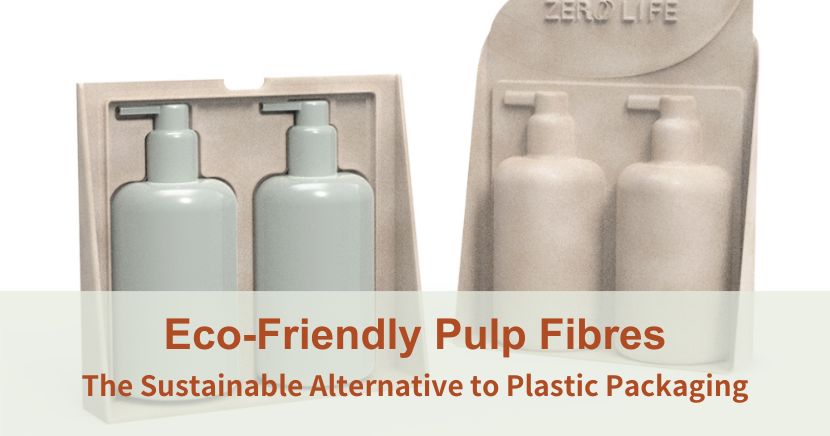
We’ve all seen the devastating impact plastic waste has on our planet—from floating islands of trash in the oceans to microplastics infiltrating water supplies. But what if there was an efficient, sustainable, and practical alternative to plastic packaging? Enter eco-friendly pulp fibres: a revolutionary solution that not only reduces plastic pollution but also supports a healthier, cleaner environment for the generations to come.
Eco-friendly pulp fibres are derived from plant materials and can be molded into various products, such as meal boxes and packaging alternatives. They’re designed to be biodegradable, recyclable, and energy-efficient to manufacture. By switching to plant fiber-based meal boxes, you’re helping reduce landfill waste, promote sustainable forestry, and actively fight plastic pollution. Let’s dive into how this incredible, sustainable packaging solution can reimagine our fight against environmental harm and make green living effortless and achievable for all.
What Are Eco-Friendly Pulp Fibres?
Eco-friendly pulp fibres are made from plant-based materials, such as sugarcane bagasse, wheat straw, bamboo, and wood pulp. These fibres are lightweight, durable, and highly versatile, making them perfect for use in meal boxes, packaging, and even disposable tableware. What makes them stand out is their sustainability—from sourcing to disposal.
The Process Behind Pulp Fibre Packaging
The production of pulp fibre packaging typically involves transforming plant residues into a usable material. Manufacturers extract the fibers from plants, process them into a pulp, and mold the material into desired shapes (like meal boxes or trays). This process is more energy-efficient than creating plastic and leaves behind less harmful residue, reducing the overall carbon footprint.
Why Pulp Fibres Are the Eco-Friendly Choice
There are several reasons why eco-friendly pulp fibres have emerged as a sustainable alternative to plastic:
- Biodegradable and Compostable: Unlike plastic, pulp-based products break down naturally and can often be composted at home or in industrial composting facilities.
- Renewable Resource: These fibres are made from quickly growing crops or recycled agricultural by-products, making them highly renewable.
- Non-Toxic: Pulp fibre packaging is free from harmful chemicals commonly found in single-use plastics.
- Durable and Reliable: Despite being plant-based, these materials are sturdy enough to compete with traditional plastic in terms of functionality.
The Benefits of Plant Fiber Meal Boxes
Plant fiber meal boxes are quickly becoming a game-changer in food service and packaging industries. However, they’re also a fantastic option for everyday consumers. Here’s why:
1. Reducing Plastic Waste
One of the leading causes of environmental degradation today is the proliferation of single-use plastics. With pulp fibre meal boxes, you have an excellent alternative that mimics the functionality of plastic but decomposes without harming the planet. For example, a discarded fiber box can break down in as little as 90 days, compared to hundreds of years for plastic.
2. Versatility for All Occasions
Whether it’s a takeout container from your favorite restaurant or a lunch box packed for work, plant fiber meal boxes are designed to handle all types of food, including hot, wet, and greasy dishes. They’re also microwave-safe, so reheating your meals is a breeze.
3. Supporting a Circular Economy
Some pulp fiber meal boxes are fully recyclable or reusable. In the right conditions, these products can go back into the production cycle or composting process, contributing to a zero-waste future. Plus, opting for compostable fibre boxes naturally enriches soil quality when disposed of properly.
How to Adopt Eco-Friendly Pulp Fibres in Your Daily Life
1. Choose Restaurants and Brands That Use Pulp-Based Packaging
Support businesses that actively embrace sustainable practices. Many restaurants, cafes, and grocery stores now opt for eco-friendly pulp fibre containers instead of traditional plastic ones. A quick check or inquiry when ordering a meal can ensure you’re contributing to eco-conscious efforts.
2. Swap Plastic Containers for Pulp Fibre Alternatives
Invest in plant-based options for your household. Whether you’re hosting a party or packing meals for travel, choose biodegradable pulp fibre plates, bowls, and boxes whenever possible. They give you convenience without the guilt of contributing to plastic pollution.
3. Advocate for Policy Changes and Push for Industry Adoption
Encourage policymakers, businesses, and local communities to adopt pulp fibre packaging as a default choice. The more demand there is for these products, the more industries will move toward sustainable solutions.
The Future of Eco-Friendly Packaging
The potential for eco-friendly pulp fibres stretches beyond meal boxes. Here are some exciting possibilities on the horizon:
- Increased Availability: As more companies adopt eco-friendly practices, expect to see a wider range of pulp fibre-based packaging solutions in your local stores.
- Technological Advancements: Innovations in natural fibre technology may lead to stronger, more durable alternatives that can replace even the most challenging plastic applications.
- Global Impact: Reduction in plastic waste could help significantly lower pollution levels in rivers, oceans, and other ecosystems around the world.
A Small Step Toward a Greener Planet
Switching to plant-based packaging may seem like a small change, but it’s part of a larger shift toward sustainability. By choosing eco-friendly pulp fibres over plastic, you’re contributing to a future where waste no longer robs our planet of its beauty and biodiversity.
Your Role in the Movement
Sustainability starts with small, simple choices. Whether it’s advocating for better packaging practices, making eco-conscious purchases, or spreading awareness about the importance of plastic-free alternatives, each step matters. So, the next time you’re looking for a packaging option—or grabbing a takeout meal—think about its impact and make the eco-friendly choice.
Let’s join hands in embracing sustainable living—not just to reduce waste, but to inspire a cleaner, healthier, and greener future for us all.