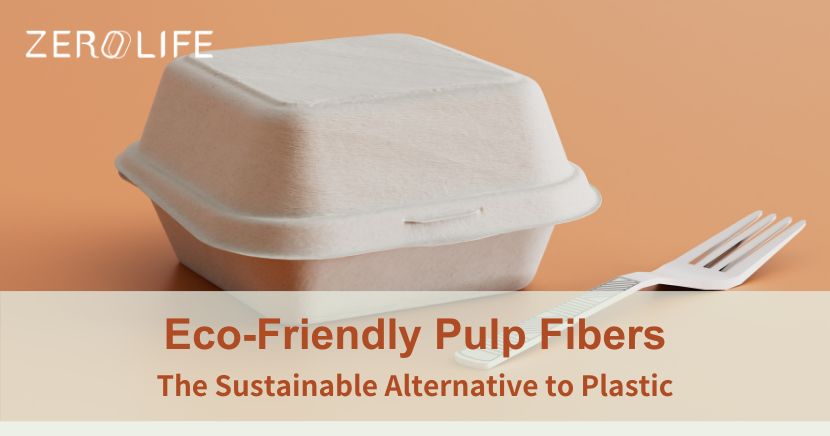
Eco-Friendly Pulp Fibers: The Sustainable Alternative to Plastic
The overwhelming amount of plastic waste in our daily lives is undeniable, and the consequences of its use are starkly visible in our oceans, landfills, and even the food we eat. As the need for sustainable solutions grows, eco-friendly pulp fibers are emerging as a shining star in the fight against plastic pollution. These biodegradable, plant-based fibers are not only a practical alternative to harmful plastics but also a positive step forward in creating a healthier planet for future generations.
Eco-friendly pulp fibers are transforming industries by offering biodegradable alternatives to everyday packaging, particularly with items such as plant-based meal boxes. Created from renewable materials, they provide a sustainable option to reduce your carbon footprint. Unlike plastics, these fiber-based items decompose naturally, alleviating pressure on landfills and reducing pollution. As we look toward practical ways to minimize environmental harm, adopting pulp fiber products is one way to make a meaningful impact on the planet.
Why Eco-Friendly Pulp Fibers Are a Game-Changer
Adopting eco-friendly pulp fibers is one of the most impactful steps we can take toward reducing global waste. But why are these fibers so revolutionary? The answer lies in their renewable origins, practical design, and positive environmental benefits.
The Environmental Advantages of Pulp Fibers
Unlike plastic, which can take centuries to break down, eco-friendly pulp fibers decompose naturally within weeks or months. They’re derived from plants, such as sugarcane, bamboo, or wheat straw, making them a byproduct of agricultural industries rather than newly extracted raw materials. Here’s why that matters:
- Reduced Waste: These fibers don’t accumulate in landfills or waterways. Instead, they naturally return to the Earth without leaving harmful microplastics behind.
- Lower Carbon Emissions: Since pulp fibers are made from renewable sources, the production process emits fewer greenhouse gases compared to plastic manufacturing.
- Versatile Applications: From food packaging to cutlery, these fibers are suitable for a wide range of products, reducing dependence on plastic for everyday needs.
Switching to pulp fiber products has the added benefit of encouraging industries to focus on sustainable manufacturing practices, helping curb the larger systemic issues that drive pollution.
Real-World Applications: Meal Boxes Made from Pulp Fibers
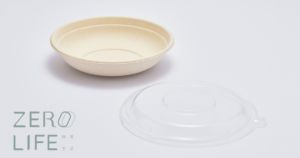
Have you noticed an increased use of plant-based meal boxes over the past few years? These containers, made from eco-friendly pulp fibers, are an excellent example of sustainability transitioning into practical use. Whether you’re ordering takeout or packing a meal for work, they provide a cleaner, greener solution compared to traditional single-use plastics.
Benefits of Plant Fiber Meal Boxes
Meal boxes made from eco-friendly pulp fibers stand out for many compelling reasons. Not only are they environmentally responsible, but they also perform exceptionally well in real-world scenarios. Here’s why people—and businesses—are embracing this sustainable choice:
Biodegradable and Compostable
One of the standout features of these meal boxes is their ability to break down naturally. After use, they can be composted in industrial facilities or even at home, depending on the material and coatings used. This significantly reduces waste:
- Convenience: Dispose of meal boxes without guilt, knowing they’ll return to the Earth as nutrient-rich compost rather than harmful waste.
- Support for Zero-Waste Goals: Compostable materials align with the zero-waste movement, encouraging a more sustainable lifestyle.
Microwave and Freezer Friendly
Unlike many plastic containers, plant fiber meal boxes can withstand temperature extremes. Need to reheat leftovers or store prepped meals? No problem:
- Microwave-safe for quick and effortless meal warming without releasing harmful chemicals.
- Freezer-friendly, making it easier to meal prep or preserve food without plastic wrap.
Durable and Leak-Resistant
Pulp fiber meal boxes are designed to handle various types of food. Whether it’s a saucy pasta or a hearty stew, you won’t face leakage challenges commonly associated with cardboard or paper-based products. Many manufacturers enhance the boxes’ durability with eco-safe linings, ensuring both practicality and sustainability.
Making the Switch: How You Can Maximize Impact
Choosing eco-friendly pulp fiber products is more than just a passing trend; it’s a deliberate lifestyle choice that reflects a commitment to sustainability. Here’s how you can start incorporating these materials into your daily life:
1. Replace Single-Use Plastics
An easy way to get started is by opting for biodegradable packaging options when dining out or hosting events. Many restaurants now offer takeout in compostable containers made from plant fibers. Each time you say “no” to plastic, you send a message about the importance of sustainable alternatives.
2. Support Eco-Conscious Brands
Many companies are already transitioning to more sustainable practices by offering eco-friendly products, like plant-based meal boxes. By purchasing from these businesses, you encourage their efforts and demonstrate demand for more environmentally responsible options.
3. Compost Whenever Possible
If composting is accessible in your area, take full advantage of it when disposing of pulp fiber products. Home composting setups, or even municipal composting services, help ensure these materials break down efficiently and return as nutrient-rich soil.
The Future of Eco-Friendly Pulp Fibers
The global movement for sustainability is accelerating, and eco-friendly pulp fibers are positioned to play a central role in this shift. With their growing popularity across industries such as food service, retail, and home goods, the demand for plastic-free, biodegradable solutions will only continue to rise.
But the journey doesn’t end with meal boxes. As innovations in material sciences develop, we’re likely to see even more uses for these sustainable fibers—from cutlery and plates to grocery packaging and beyond. The future truly looks greener with these eco-friendly materials leading the way.
Conclusion: Small Changes, Big Impact
If there’s one takeaway to remember, it’s this: small, intentional changes can ripple into monumental impacts for the planet. By choosing eco-friendly pulp fibers, you contribute to reducing plastic waste, curbing pollution, and fostering a healthier environment. The next time you pick up a meal box or disposable container, ask yourself—does this help or harm the planet?
Together, we can make eco-conscious living the norm and forge a cleaner, greener future for generations to come. Let’s embrace sustainability one plant-based fiber at a time.
—