Every time we unwrap a meal or buy a new product, there’s a moment where we’re left holding the packaging, wondering where it’ll end up. Will it impact the planet positively, or add to the growing piles of plastic choking our ecosystems? For businesses around the world, this question has sparked a shift. Eco-friendly packaging isn’t just a trend—it’s the foundation of a sustainable tomorrow, and plant-based solutions like fiber meal boxes are leading the way.
Eco-friendly packaging has become a top priority for businesses and consumers alike. As global concerns about plastic waste rise, many are turning to natural, biodegradable materials that help reduce environmental harm. One standout solution is plant fiber meal boxes, which combine sustainability with functionality. These eco-conscious containers not only protect the planet but also meet the practical needs of both companies and consumers, making them an ideal choice for everyday use.
Why Eco-Friendly Packaging Matters
From single-use plastics polluting oceans to overflowing landfills, the world faces a packaging crisis. It’s no secret that traditional packaging—like polystyrene and plastic—is wreaking havoc on the environment. So why should businesses and individuals make the switch to eco-friendly packaging? Here are some compelling reasons:
- Reduces waste: Eco-friendly packaging materials are often biodegradable or compostable, meaning they won’t sit in landfills for decades.
- Lowers carbon footprint: The use of natural resources like plant fibers requires less energy to produce compared to traditional plastics.
- Improves brand image: Consumers increasingly prefer companies that prioritize sustainability, which can boost loyalty and trust.
- Supports the circular economy: Many biodegradable options reintegrate into the ecosystem safely, promoting a sustainable lifecycle.
These reasons alone make a strong case for ditching conventional packaging in favor of greener alternatives.
The Rise of Plant Fiber Meal Boxes
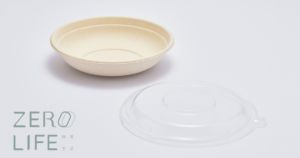
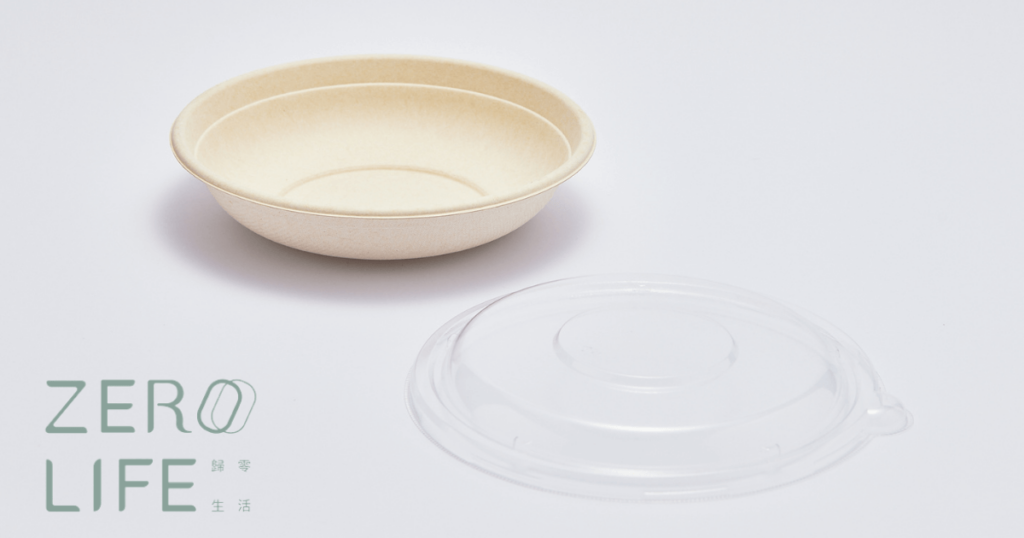
Among the many eco-friendly packaging options available, plant fiber meal boxes have gained significant popularity worldwide. These containers are made from renewable plant materials like bamboo, sugarcane bagasse, or wheat straw, offering numerous advantages.
What Sets Plant Fiber Meal Boxes Apart?
Plant fiber meal boxes are a game-changer when it comes to sustainable living. Here’s why:
- 100% biodegradable: Unlike plastic, these containers break down naturally within a short period, returning nutrients to the soil.
- Heat-resistant: Perfect for holding hot food without warping or releasing harmful chemicals.
- Sturdy and versatile: Despite being lightweight, they’re durable enough to hold heavy or greasy meals without leakage.
- Non-toxic and food-safe: No chemical additives are used, ensuring your meals stay safe and healthy.
From eco-conscious restaurants to food delivery services, plant fiber meal boxes are proving to be a practical solution for businesses looking to leave a lighter footprint on the planet.
How Businesses Are Benefiting from Eco-Friendly Packaging
Switching to eco-friendly packaging isn’t just good for the environment—it’s good for business too. Here’s how companies benefit:
1. Stronger Customer Loyalty
Today’s consumers are more environmentally conscious than ever. A business that demonstrates genuine efforts toward sustainability can win over eco-minded customers and foster long-term loyalty. For example, restaurants using plant fiber meal boxes often receive positive feedback and customer appreciation for their green initiatives.
2. Cost Savings in the Long Run
While eco-friendly packaging might have a slightly higher upfront cost, it offers long-term savings. Many countries are instituting taxes and bans on single-use plastics, so businesses that adopt sustainable packaging now can avoid future compliance costs.
3. Better Brand Reputation
Companies seen as leaders in sustainability hold a competitive edge in the market. Using environmentally friendly packaging sends a clear message about a business’s values, differentiating it from competitors.
4. Meeting Regulatory Requirements
Governments worldwide are implementing stricter regulations around plastic usage. By transitioning to plant fiber meal boxes and similar packaging, businesses can stay compliant with evolving laws and avoid penalties.
How You Can Make the Switch to Eco-Friendly Packaging
If you’re considering switching to eco-friendly packaging like plant fiber meal boxes, here’s a step-by-step guide to get started:
- Identify your packaging needs: Take an inventory of how much packaging your business uses and the types of items you need to package (hot food, fragile products, etc.)
- Research eco-friendly suppliers: Partner with companies specializing in sustainable packaging solutions to source high-quality, biodegradable packaging options.
- Start small: Transition gradually by phasing out one type of conventional packaging at a time.
- Incentivize customers: Offer incentives to encourage customers to support your efforts, like discounts for bringing reusable containers.
- Spread the word: Communicate your sustainability efforts clearly through marketing and social media channels.
The Future of Eco-Friendly Packaging
The rise of eco-friendly packaging signals a brighter future for our planet—and businesses have a central role to play. By adopting innovations like plant fiber meal boxes, companies can simultaneously meet their operational needs and contribute to a healthier, cleaner Earth.
It’s not just about reducing waste; it’s about rethinking how we consume and dispose of materials altogether. The decisions we make today will shape the world future generations will inherit. So, let’s continue to push for sustainable change, one plant fiber meal box at a time.