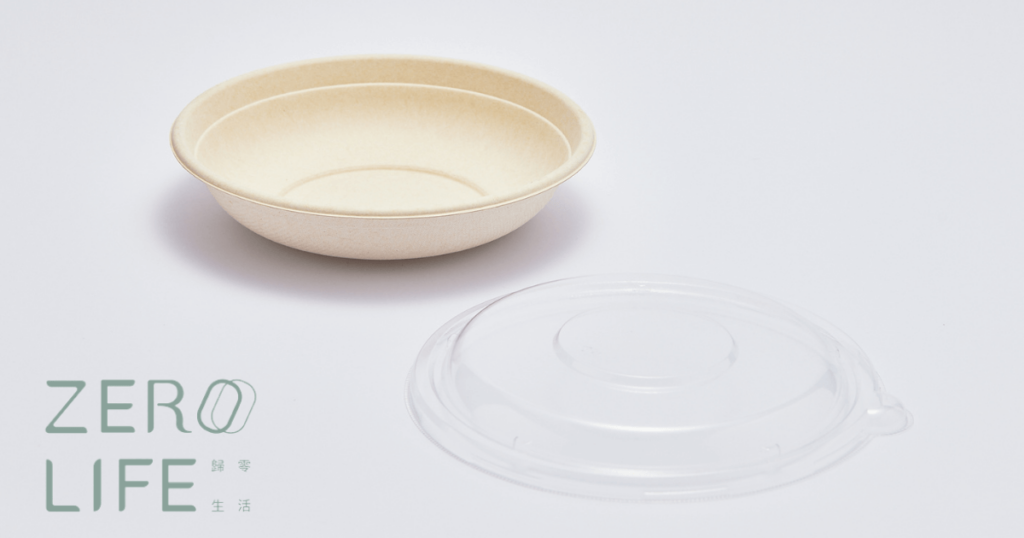
Eco-Friendly Packaging for Food: A Step Towards Sustainable Living
As someone who cares deeply about the environment, I’ve realized how important it is to rethink small decisions—like the packaging I use for food and meals. Traditional food packaging, especially plastics, plays a massive role in environmental pollution. But by choosing eco-friendly packaging, we can contribute to a cleaner planet, reduce waste, and still preserve the freshness of our food. Today, I want to share everything I’ve learned about a fantastic sustainable alternative: plant fiber meal boxes.
Why Choose Eco-Friendly Packaging for Food?
The environmental impact of traditional packaging, particularly plastics, is staggering. Single-use plastics often do not decompose for hundreds of years, and billions of tons end up in our oceans or landfills annually. Food packaging accounts for a significant proportion of this waste, and it’s a problem we can no longer ignore.
Switching to eco-friendly alternatives, like plant fiber meal boxes, offers numerous benefits, including:
- Reducing single-use plastic waste.
- Lowering carbon emissions during manufacturing.
- Improving biodegradability and compostability.
Choosing sustainable meal packaging isn’t just about helping the planet—it’s also about safeguarding our health. Many eco-friendly materials are free from harmful chemicals like BPA and other toxins often found in conventional packaging.
The Urgent Need for Change
As the global population grows and food delivery services skyrocket, the demand for food packaging also increases. If we continue to rely on conventional materials, the environmental consequences will worsen. But here’s the good news—eco-friendly solutions are increasingly accessible and affordable for individuals, businesses, and communities worldwide.
What Are Plant Fiber Meal Boxes?
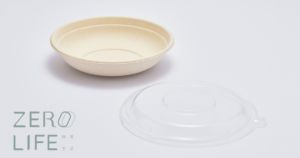
Plant fiber meal boxes are a game-changing innovation in eco-friendly food packaging. These containers are made from natural, renewable materials like wheat straw, sugarcane bagasse, bamboo, or other agricultural byproducts that would otherwise go to waste. After being processed, these fibers are shaped into durable, food-safe containers that can replace plastic or Styrofoam.
Advantages of Plant Fiber Meal Boxes
Here’s why plant fiber meal boxes are an excellent option for sustainable living:
- Biodegradable and Compostable: Unlike plastic, which can take centuries to decompose, plant fiber breaks down into the soil in just 90-120 days under the right conditions.
- Non-Toxic and Safe: These boxes are free of harmful chemicals, helping you avoid exposure to toxins like BPA.
- Microwave and Freezer Safe: You don’t need to switch containers to reheat or store meals, making them convenient and versatile.
- Sustainable Resource Use: Utilizing agricultural byproducts reduces overall waste and promotes circular economies.
In my experience, these meal boxes are not only practical but also give me peace of mind knowing I’m making a small but meaningful contribution to the environment.
How Eco-Friendly Packaging for Food Helps Keep Meals Fresh
One of the biggest misconceptions about sustainable containers is that they don’t keep food fresh for long. But that couldn’t be further from the truth! Plant fiber meal boxes are specifically designed with functionality in mind, ensuring your meals stay fresh while minimizing environmental harm.
Moisture Resistance
Many plant fiber containers are coated with natural, food-safe, biodegradable linings. These linings prevent leaks and maintain moisture levels, keeping everything from salads to curries perfectly fresh. I’ve even tried them for soups, and they held up surprisingly well!
Airflow and Durability
The breathability of plant fiber meal boxes helps prevent food from becoming soggy, making them ideal for items like sandwiches, pastries, and baked goods. At the same time, they are sturdy enough to withstand the rigors of transportation. I’ve used these for packed lunches during hikes and picnics, and they’ve never let me down.
Odor Neutralization
Unlike plastic or Styrofoam, which can sometimes cling onto food odors, plant fiber boxes are quite neutral. This is particularly handy if you’re storing multiple dishes in the fridge.
Practical Tips for Using Plant Fiber Meal Boxes
If you’re new to using plant fiber meal boxes, here are a few tips to get the most out of them:
- Store Correctly: When storing takeout or leftovers, allow hot meals to cool slightly before sealing the box. This helps minimize condensation and keeps food fresh longer.
- Compost After Use: If you have a home composting system or access to commercial composting, dispose of used meal boxes there. They’ll break down naturally and contribute to rich soil.
- Choose the Right Size: Pick appropriately-sized boxes for your meal portions to reduce waste and avoid unnecessary packaging.
- Reuse When Possible: Though designed for single-use, sturdy plant fiber boxes can often be rinsed and reused for dry foods or snacks before composting.
Eco-Friendly Packaging for Businesses
Sustainable food packaging isn’t just for individuals. Businesses play a major role in this transition. If you own or manage a restaurant, food truck, or catering service, switching to plant fiber meal boxes can positively impact both the environment and your company’s reputation.
Customer Perception
Incorporating eco-friendly packaging into your business model shows customers that you’re committed to sustainability. Many consumers—myself included—are more likely to support brands that actively reduce plastic waste.
Cost-Effectiveness in the Long Run
While plant fiber boxes may initially seem more expensive than traditional options, they pay off in the long run by boosting customer loyalty and aligning your brand with growing environmental trends.
Easy Bulk Sourcing
Eco-friendly packaging suppliers are now catering to businesses of all sizes, with bulk purchasing options making the transition easier than ever.
Making the Transition to Eco-Friendly Packaging for Food
If you’re ready to embrace sustainable packaging, here’s how to get started:
- Do Your Research: Look for reputable suppliers of plant fiber meal boxes with certifications for biodegradability and food safety.
- Start Small: Transition gradually by using eco-friendly containers for specific meal types (e.g., salads or sandwiches).
- Raise Awareness: Let others know about your choice to switch by sharing your experiences on social media or encouraging local businesses to follow your lead.
The Road Ahead
Switching to eco-friendly packaging for food may seem like a small step, but collectively, these small actions have the potential to create a huge impact. Whether you’re an individual seeking sustainable solutions for daily needs or a business looking to make environmentally responsible decisions, plant fiber meal boxes offer a practical way forward.
Final Thoughts
Living sustainably is a journey, not a destination. By adopting eco-friendly packaging for food, we’re not just reducing waste but also contributing to a healthier planet for future generations. Plant fiber meal boxes are an excellent starting point for this transition—and they’ve certainly made a big difference in my life.
Let’s make conscious decisions together, one meal box at a time! If you have experience with sustainable food packaging or tips to share, I’d love to hear from you in the comments below. Together, we can create a greener future.