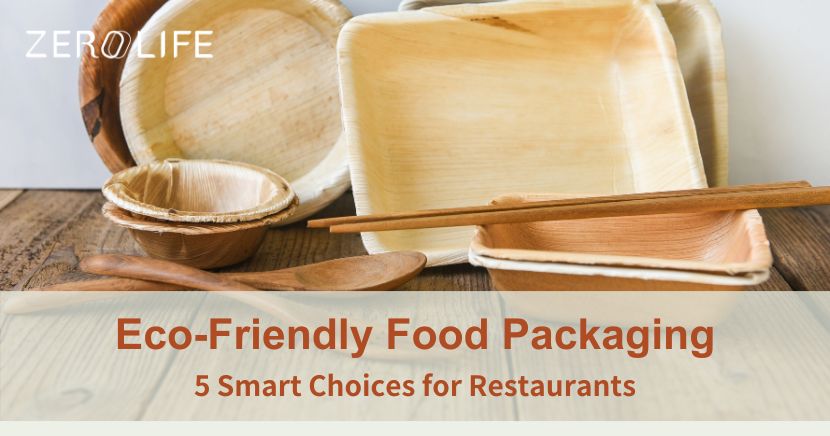
Welcome! As someone who’s passionate about environmental sustainability, I’ve come to realize how pivotal food packaging is in shaping our ecological footprint. Restaurants worldwide are stepping up to meet the demand for eco-conscious dining by exploring greener alternatives to single-use plastics. Choosing sustainable packaging isn’t just a passing trend—it’s a necessity in reducing waste and protecting our planet for future generations. Today, I’m diving into one of the leading eco-friendly solutions: plant fiber meal boxes, and what this shift means for restaurants around the globe.
Plant fiber meal boxes are revolutionizing the food packaging industry by combining functionality with sustainability. Made from renewable resources like bagasse (sugarcane waste), bamboo, and wheat straw, these biodegradable containers are a responsible alternative to traditional plastic. Beyond their compostable nature, plant fiber boxes offer leak-proof convenience and durability. For restaurant owners, they present an opportunity to align with consumer demand for sustainability while improving their brand’s environmental impact. Let’s explore how these modern innovations can help restaurants make smarter, greener choices.
Why Eco Friendly Packaging for Food Matters
Choosing eco-friendly food packaging functions as more than just a statement—it’s a commitment to reducing environmental harm. With over 91% of the world’s plastics not being recycled, single-use containers from the food industry are a major contributor to pollution. Switching to sustainable materials like plant fiber meal boxes helps tackle this problem head-on by:
- Reducing dependency on finite resources such as petroleum (used in plastics).
- Decreasing landfill overflows filled with non-biodegradable packaging.
- Minimizing microplastics contaminating oceans and marine ecosystems.
- Lowering the carbon footprint of everyday dining experiences.
- Supporting global movements toward circular, waste-free economies.
The global shift toward eco-friendly food packaging isn’t just about saving the planet; it’s about rethinking how we consume—and what we leave behind. For restaurants, this shift can also align with savvy business strategies and customer preferences.
—
Top Benefits of Using Plant Fiber Meal Boxes
Plant fiber meal boxes offer more than just environmental advantages. They’re practical, innovative, and a win-win for both businesses and their eco-conscious customers. Here’s why:
1. Completely Biodegradable and Compostable
Unlike plastics, plant fiber meal boxes decompose naturally within months. When sent to industrial composting facilities or even backyard compost bins, they break down into nutrient-rich soil without harmful residues or toxic chemicals.
2. Renewable and Sustainable Sourcing
These containers are made from agricultural by-products like sugarcane bagasse, which is a waste material left over after sugar extraction. By transforming waste into usable packaging, manufacturers contribute to a more circular economy.
3. Sturdy and Reliable Design
Many restaurant owners worry that eco-friendly packaging compromises durability—trust me, I had the same concern. However, I’ve found that plant fiber boxes are surprisingly resilient, holding hot meals, liquids, and greasy foods without leaks or weakening.
4. Elevated Brand Perception
Modern consumers value environmental responsibility in the businesses they support. By adopting plant fiber meal boxes, restaurants can enhance their reputation, build customer loyalty, and establish themselves as sustainability leaders.
5. Non-Toxic for Consumers
Traditional food containers like Styrofoam are linked to health risks due to the chemicals they release. Plant fiber boxes are chemical-free, ensuring a safe dining experience for customers while also protecting the planet.
For customized eco-friendly packaging solutions, join our official Line account for direct inquiries!
Smart Ways Restaurants Can Embrace Eco Friendly Packaging for Food
For restaurant owners eager to reduce waste and adopt sustainable practices, here are a few actionable tips for successfully implementing plant fiber meal boxes:
1. Start Small: Introduce Eco-Friendly Packaging Gradually
Transitioning an entire kitchen’s food packaging overnight can feel overwhelming. I recommend starting with delivery and takeout orders, replacing plastic containers with plant fiber boxes in those areas first. Once you’ve established a system, you can expand to other parts of your business.
2. Collaborate With Sustainable Suppliers
Partnering with reliable suppliers who specialize in eco-packaging is key. They can provide insights on the best products for your restaurant’s unique menu and volume needs while helping you maintain cost efficiency.
3. Make it Part of Your Marketing Strategy
Let your customers know about your commitment to eco-friendly packaging! Use social media, flyers, or even a note included with takeout meals to explain why you’ve made the switch. Highlighting the environmental benefits can increase customer appreciation and loyalty.
4. Incentivize Customers to Support Sustainability
Offer discounts or perks for customers who bring back plant fiber boxes for composting (where possible in your local area). Not only does this ensure proper disposal, but it creates an interactive sustainability initiative that customers will remember.
5. Monitor and Adjust
Making the shift to eco-friendly packaging often requires fine-tuning. Gather feedback from customers and staff to adapt based on what’s working and what isn’t. For instance, some dishes might require more durable packaging, or you may discover additional cost-saving opportunities.
Other Eco-Friendly Packaging Options for Restaurants
While plant fiber meal boxes are a fantastic choice, they’re not the only option for sustainable packaging. Depending on your restaurant’s needs, you might consider these alternatives:
- Reusable Containers: Encourage customers to use and return reusable metal or sturdy plastic containers for long-term sustainability strategies.
- Edible Packaging: Innovation in edible films and wraps made from seaweed or rice is gaining traction (and some double as unique menu items!).
- Recycled Cardboard: Perfect for dry foods like pizza delivery boxes, which are recyclable and often made from post-consumer paper waste.
- Bio-Plastics: Made from cornstarch or other natural polymers, bio-plastics are compostable but still durable enough for liquids and sauces.
- Mushroom Packaging: Lightweight, compostable, and growing in popularity, packaging made from mycelium fungi is an innovative option for environmentally-minded businesses.
Experimenting with multiple eco-friendly solutions can ensure your restaurant finds the perfect fit for its menu.
Final Thoughts on Eco Friendly Packaging for Food
Transitioning to eco-friendly food packaging like plant fiber meal boxes is no longer just an idealistic goal—it’s an essential step for every restaurant committed to sustainability. Not only do these materials reduce pollution and environmental harm, but they also resonate with modern eco-conscious diners. Implementing plant fiber meal boxes in your restaurant is a practical, impactful change that aligns with the future of dining.
As restaurants worldwide embrace sustainability, we’re collectively paving the way for a greener planet. So, why wait? Let’s take the leap together and show the world that delicious meals and eco-conscious values can coexist beautifully.
For customized eco-friendly packaging solutions, join our official Line account for direct inquiries!