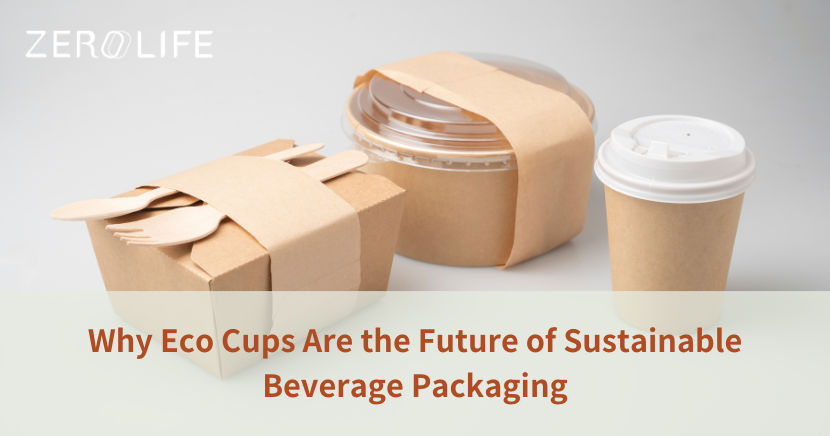
Why Eco Cups Are the Future of Sustainable Beverage Packaging
The world is waking up to the realities of climate change, plastic pollution, and the urgent need for sustainable living. Single-use plastic and non-recyclable materials have dominated the beverage packaging industry for decades, leading to severe environmental harm. Eco cups, made from biodegradable and renewable resources, offer a cost-effective, eco-friendly solution to this growing problem. In this blog post, I’ll explore why eco cups are revolutionizing beverage packaging and how we, as consumers, can embrace this change for a healthier planet.
What Are Eco Cups?
Eco cups are a sustainable alternative to traditional plastic or Styrofoam cups. They are often made from renewable plant-based materials like paper, bamboo, cornstarch, or bagasse (a byproduct of sugarcane processing). Unlike traditional cups, eco cups are designed to break down naturally in compostable conditions, leaving behind no harmful residue.
The Materials Behind Eco Cups
Eco cups are crafted from a variety of eco-friendly materials. Here’s a closer look at some of the most popular options:
- Bagasse: A fiber derived from sugarcane processing, bagasse is biodegradable, compostable, and resistant to heat or moisture.
- Cornstarch PLA: PLA (Polylactic Acid) is a plant-based plastic alternative derived from cornstarch. It looks and feels like plastic but is fully biodegradable under the right conditions.
- FSC-Certified Paper: Paper sourced from responsibly managed forests is a top choice for making disposable cups with a reduced environmental footprint.
- Bamboo Fiber: Fast-growing and renewable, bamboo is an excellent material known for its strength and sustainability.
Why Eco Cups Are Better for the Environment
Switching to eco-friendly alternatives in beverage packaging is crucial for sustainable living. Here’s why eco cups stand out as an environmentally superior choice:
- They Reduce Plastic Pollution: Eco cups don’t rely on petroleum-based plastics, which can take hundreds of years to decompose.
- Biodegradability: Most eco cups decompose within a few months in industrial composting facilities. This reduces landfill waste significantly.
- Lower Carbon Emissions: Manufacturing materials like bagasse or bamboo emits fewer greenhouse gases compared to producing plastic or Styrofoam.
- Energy Efficiency: Producing eco cups takes less energy since the raw materials are renewable and rich in carbon-neutral qualities.
The Plastic Problem: Why the Shift Matters
According to recent research, over 8 million metric tons of plastic waste end up in oceans every year. Coffee cups and beverage containers contribute considerably to this crisis, as they often contain plastic linings that cannot be recycled. Eco cups eliminate this issue by offering disposable solutions that are both recyclable and compostable.
The Practical Benefits of Using Eco Cups
Eco cups don’t just help the environment—they’re incredibly convenient for businesses and consumers alike. Here are some practical benefits:
1. Versatility for All Beverages
Whether it’s steaming hot coffee, an iced latte, or a refreshing smoothie, eco cups are designed to handle beverages of all temperatures. For instance:
- Insulated options are perfect for hot drinks, preventing burns and maintaining warmth.
- Moisture-resistant coatings ensure that cold drinks don’t cause leaks or weaken the cup’s structure.
2. Ideal for Businesses Going Green
For cafes, restaurants, and food trucks, switching to eco cups can attract environmentally-conscious customers. Consumers are increasingly choosing businesses that prioritize sustainability. By offering eco-friendly packaging, businesses can:
- Enhance their brand’s value and reputation.
- Reduce waste disposal costs by using biodegradable or compostable materials.
- Comply with environmental regulations and prepare for future bans on single-use plastics in certain countries.
3. Simple Disposal Options
Most eco cups are industrially compostable, meaning they can be turned into nutrient-rich compost in the right facilities. Some materials, like FSC-certified paper, are also recyclable, ensuring multiple disposal pathways that reduce landfill waste.
How to Incorporate Eco Cups Into Everyday Life
Adopting eco cups starts with small but significant changes. Here are a few actionable tips to help make the switch:
- For Consumers: Bring reusable or biodegradable eco cups to your favorite coffee shop or use plant-based disposable cups for events like picnics or parties.
- For Businesses: Transition to eco-friendly beverage packaging by partnering with suppliers specializing in compostable or recyclable materials. Educate staff and customers about the environmental benefits of this change.
- At Home: Use eco cups for daily coffee or tea, especially during busy mornings. They’re convenient, functional, and guilt-free.
Supporting a Circular Economy
Eco cups play a critical role in promoting the circular economy. By focusing on renewability, biodegradability, and recycling, these cups ensure resources are reused and reduced rather than wasted. Choosing eco-friendly options means supporting industries that prioritize sustainable practices over harmful extraction processes.
Conclusion: Choose Eco Cups Today
The shift toward eco cups isn’t just a trend—it’s a necessary evolution in sustainable living. With the planet facing environmental challenges like never before, each cup, coffee run, and everyday choice matters. By selecting biodegradable, compostable, or recyclable eco cups, we can collectively reduce plastic waste, conserve resources, and protect our planet for future generations.
I truly believe that eco cups are the future of sustainable beverage packaging. Their environmental benefits, practical functionality, and versatility make them a clear winner for anyone looking to minimize their environmental impact. Whether you’re a business owner or a conscious consumer, now’s the time to embrace this simple, impactful change. Make the switch today and take one small yet significant step toward a greener tomorrow!