In today’s world, where sustainability and eco-conscious living have become more than just trends, businesses must approach their packaging choices with careful thought. Food packaging boxes play a critical role in reducing waste, supporting renewable resources, and making an eco-friendly statement to environmentally aware customers. For businesses, opting for sustainable packaging is more than just a green initiative—it’s a reflection of values, a contribution to protecting the planet, and a smart strategy for meeting consumer demand for greener solutions.
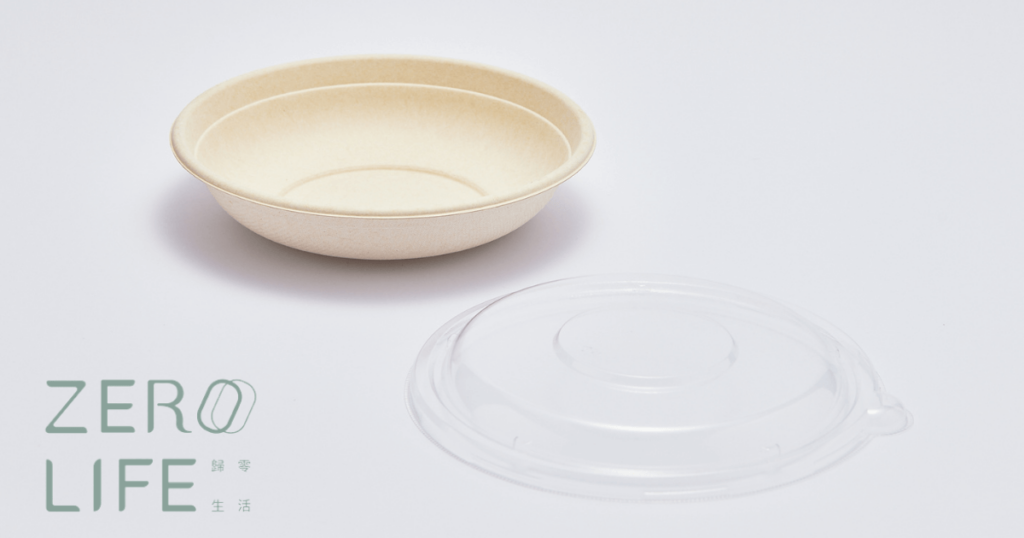
Whether you’re managing a small restaurant, running a catering service, or packaging products for an online delivery system, choosing the best food packaging boxes can make a big difference. One standout option is plant fiber meal boxes, designed for both environmental benefits and practical use. These biodegradable and compostable options can minimize your environmental footprint while offering durability and convenience. Let’s dive into the ultimate guide to selecting sustainable food packaging boxes for your business!
Why Plant Fiber Meal Boxes Are Revolutionizing Food Packaging
The rising awareness of plastic pollution and non-renewable packaging waste has led to innovative eco-friendly alternatives, and plant fiber meal boxes are leading the charge. Made from natural, renewable materials like sugarcane bagasse, bamboo, wheat straw, or palm fibers, these boxes decompose naturally and don’t contribute to pollution. By choosing plant fiber meal boxes, you’re not only providing a high-quality product for your customers but also taking actionable steps toward a sustainable future.
Benefits of Plant Fiber Food Boxes
Plant fiber meal boxes are crafted with the planet in mind and loaded with advantages for businesses:
- Eco-Friendly: These boxes are fully biodegradable and compostable, reducing the environmental impact significantly compared to plastic or Styrofoam containers.
- Durable and Leak-Resistant: Despite being made from natural fibers, these boxes are incredibly sturdy, leak-proof, and suitable for wet or oily foods.
- Versatile: Ideal for hot, cold, or frozen meals, plant fiber boxes perform exceptionally across a wide range of temperatures.
- Customizable: Many manufacturers offer branding options, allowing you to print logos, designs, or text—reinforcing your business identity.
- Compliance with Green Standards: Since these are renewable resources, using such packaging often aligns with environmental certifications.
Comparing Plant Fiber Boxes to Traditional Packaging
Before committing to eco-friendly food packaging boxes, it’s critical to understand their advantages over conventional options like plastic or foam. Here’s a clear comparison to guide your choices:
- Plastic: Plastic is cheap, but it’s non-biodegradable and takes hundreds of years to break down, causing long-term pollution.
- Styrofoam: While lightweight and cost-effective, Styrofoam is neither reusable nor recyclable and releases harmful chemicals during production and degradation.
- Plant Fiber Boxes: 100% biodegradable, with minimal emissions during production, making them the clear winner for eco-conscious businesses.
Not only do plant fiber boxes hold up well against their less sustainable counterparts, but they also work as a selling point for your brand. Customers actively seek sustainable businesses, so switching to these packaging materials could broaden your appeal and attract environmentally conscious consumers.
Considerations When Choosing Food Packaging Boxes
Here are the key factors to evaluate when selecting the right plant fiber boxes for your business needs:
- Size: Ensure the boxes come in various sizes suitable for portion sizes your business offers.
- Insulation: Look for options that provide thermal insulation for hot or cold dishes.
- Durability: Check resistance to moisture, oil, and grease to maintain package quality when handling wet or fried foods.
- Certification: Verify the containers meet compostability certifications (e.g., ASTM D6400 or EN 13432).
- Suppliers: Choose trusted suppliers with a proven track record of delivering high-quality products at reasonable prices.
Steps to Transitioning Your Business to Sustainable Packaging
Switching to plant fiber food packaging boxes may feel like a significant transition, but here’s a step-by-step guide to reel in the benefits without overwhelming your operations:
- Evaluate Your Needs: Analyze your business’s packaging usage and the specific requirements for your food products to identify suitable types and volumes.
- Research Trusted Suppliers: Collaborate with reliable manufacturers of eco-friendly packaging to secure quality products that align with your budget.
- Test Before Scaling: Order small quantities to test their fit, durability, and customer satisfaction before a large rollout.
- Educate Your Staff: Train employees on the importance of sustainability and how to handle eco-friendly packaging products properly.
- Market Your Sustainability Efforts: Spread awareness via your website, social media, and packaging labels to emphasize your commitment to the planet and attract like-minded customers.
Bonus Tip: Cost vs. Value
Plant fiber food packaging boxes may initially cost more than standard plastic options, but they provide long-term value. Improved brand perception, compliance with eco-friendly regulations, and increased customer loyalty often outweigh the price difference. Additionally, sustainable practices can reduce future costs related to waste disposal or potential fines as governments phase out harmful materials like plastic and Styrofoam.
The Future of Sustainable Food Packaging
With an ever-growing focus on green initiatives worldwide, food businesses have a unique opportunity to lead the change. Plant fiber meal boxes symbolize the future of sustainable food packaging, offering environmentally friendly designs that contribute to long-term solutions for waste reduction. By incorporating these innovative products into your business, you’re making a strong statement about your values, aligning with global sustainability goals, and setting a precedent for industries across the globe.
Conclusion
Choosing the best food packaging boxes for your business is no longer just about convenience—it’s about responsibility. By adopting plant fiber meal boxes, you’re making a conscious effort to reduce waste, attract eco-friendly consumers, and uplift your brand’s reputation. Whether you’re packaging gourmet meals, fast food, or beverages, sustainable food boxes provide the perfect combination of environmental impact, durability, and consumer appeal. Start making the switch today and take your business to the next level of ecological integrity!