Have you ever wondered what the world might look like if we could replace the overwhelming amount of plastic waste with something more Earth-friendly? As someone passionate about leading a sustainable lifestyle, I’ve often asked myself this question. One promising solution is bioplastics. With concerns over environmental degradation and overflowing landfills, the quest for alternatives to traditional plastic packaging has gained urgency. Today, I’ll share my thoughts on bioplastics and whether they can truly transform how we package our everyday goods.
Bioplastics are increasingly seen as a beacon of hope for combating plastic pollution. Derived from renewable resources like corn, sugarcane, or even agricultural waste, they promise to reduce reliance on fossil fuels and decrease our carbon footprint. While traditional plastics linger in the environment for centuries, bioplastics boast faster decomposition rates and safer disposal options. But are they the ultimate solution to our packaging woes, or merely a band-aid fix? Let’s dive in and explore their potential.
What Are Bioplastics and How Do They Work?
Bioplastics are a category of plastics made from renewable biological substances rather than petroleum-based materials. Unlike traditional plastics, which are derived from non-renewable fossil fuels, bioplastics utilize natural components to create sustainable alternatives. They can be used for packaging, utensils, and even electronics, but successfully replacing traditional plastics isn’t as straightforward as it seems.
Types of Bioplastics
Not all bioplastics are created equal. Here’s a breakdown of the main types:
- PLA (Polylactic Acid): Made primarily from fermented plant starch like corn or sugarcane, PLA is commonly used for food packaging and 3D printing.
- PHA (Polyhydroxyalkanoates): Derived from microorganisms, PHA bioplastics are useful in medical applications and compostable at home.
- Bio-PE and Bio-PET: These are chemically identical to their fossil-fuel counterparts but are made using natural sources like sugarcane.
How Do They Break Down?
Bioplastics generally break down faster than conventional plastics under the right conditions. Compostable bioplastics like PLA often require industrial composting facilities to degrade properly, while others, such as PHA, can biodegrade naturally in soil or water. However, the breakdown process depends heavily on environmental factors, such as temperature, humidity, and microbial activity.
Benefits of Using Bioplastics for Packaging
Switching to bioplastics in packaging brings a host of environmental advantages. Here’s why they are gaining popularity:
- Reduction in Carbon Footprint: Since bioplastics are derived from plants, they absorb carbon dioxide during their growth phase, offsetting some emissions during production.
- Resource Efficiency: Bioplastics reduce reliance on petroleum, a finite resource, thereby promoting energy sustainability.
- Biodegradability Options: Many bioplastics are designed to decompose faster than conventional plastic, lessening the burden on landfills and reducing waste.
- Safe Disposal: Compostable bioplastics can often be processed into soil-enriching compost, closing the waste loop.
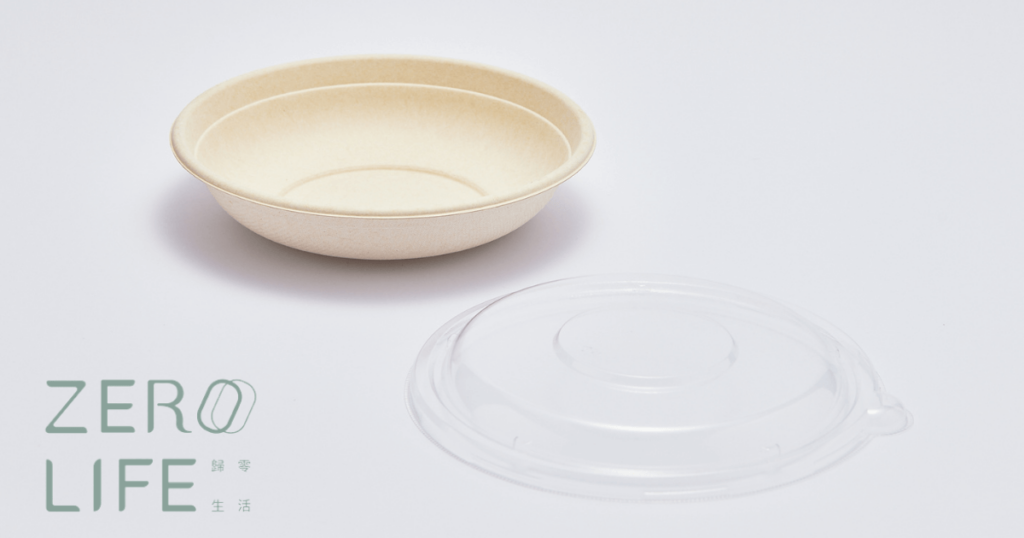
For instance, I started using plant fiber meal boxes made from bagasse—a byproduct of sugarcane processing. Not only do they keep meals fresh and hot, but they are compostable and toxin-free. After a weekend barbecue or a packed lunch at work, it feels amazing to toss these containers into my compost bin rather than the trash.
Challenges Facing Bioplastics
As promising as bioplastics sound, they’re no silver bullet. There are challenges that impact their widespread adoption:
Limited Composting Infrastructure
Many bioplastics, such as PLA, need industrial composting conditions—high heat and specialized enzymes—to break down. Unfortunately, such facilities are not available everywhere. Without proper disposal systems, bioplastics may end up in landfills, where they can behave like conventional plastics.
Higher Costs
The production of bioplastics can be more expensive due to the cost of raw materials and smaller economies of scale compared to traditional plastics. This can deter smaller businesses from adopting them widely.
Contamination Issues
If improperly sorted, bioplastics can contaminate traditional recycling streams, causing inefficiencies in waste processing plants. Educating consumers about proper disposal methods is vital to overcoming this hurdle.
How You Can Support the Shift to Bioplastics
While businesses and governments play a crucial role in advancing the bioplastics industry, individuals like us can also make a difference. Here are three actionable steps we can take:
- Prioritize Compostable Options: Always look for products labeled as “compostable” and verify if industrial composting facilities are available in your area.
- Buy in Bulk: Purchasing bioplastic-packaged goods in bulk reduces the overall packaging waste generated.
- Advocate for Better Policies: Support initiatives in your community to enhance bioplastic production and improve waste management systems.
Brands Leading the Way
Several companies are pioneering the bioplastics movement. For instance:
- Coca-Cola: Their “PlantBottle” uses sugarcane-based ethanol to replace a portion of traditional plastic materials.
- Dell: The tech giant incorporates renewable bioplastics into some of its laptop packaging.
- Vegware: They produce fully compostable food packaging, including cutlery and takeaway containers.
By supporting such brands, we can drive demand for innovation and keep pushing for a greener future.
Final Thoughts: Are Bioplastics the Future?
So, can bioplastics truly replace traditional plastic packaging? In my opinion, they have immense potential but aren’t a perfect solution just yet. They represent a significant step forward in the fight against plastic pollution, but further advancements in infrastructure, cost reduction, and consumer awareness are needed.
As individuals striving for a more sustainable planet, we can make eco-conscious choices today to reduce our reliance on traditional plastics. Opting for bioplastics where feasible, supporting composting initiatives, and spreading awareness about sustainable practices are all part of the solution. Together, we can help bioplastics transition from a niche product to a mainstream game-changer in packaging.
If you’ve had experience using bioplastic products or have insights into their challenges and successes, I’d love to hear your thoughts in the comments below. Let’s keep the conversation going and continue working toward a more sustainable future!