“`
Plastic waste is everywhere—from our oceans to our landfills—and its impact on the environment is impossible to ignore. As the call for sustainability grows louder, bioplastics are emerging as a promising alternative. Are these innovative materials capable of replacing traditional plastic packaging, and can they truly offer a greener future? Let’s dive into the world of bioplastics and explore their potential to revolutionize how we package and consume everyday goods.
Bioplastics represent a sustainable alternative to conventional plastics, which are derived from fossil fuels and contribute heavily to pollution. These biodegradable or plant-based materials are designed to reduce dependency on nonrenewable resources, lower carbon emissions, and minimize harmful waste. By addressing these pressing issues, bioplastics aim to lead the charge in creating a cleaner and more sustainable world while offering consumers practical, eco-friendly choices for packaging and beyond.
What Are Bioplastics?
Before diving into their benefits and applications, let’s first define what bioplastics are. Bioplastics are materials made from renewable biological sources like corn starch, sugarcane, or even algae. Unlike traditional plastics that rely on petroleum-based production, bioplastics are crafted using plant-derived components, giving them a considerably smaller environmental footprint.
Types of Bioplastics
Not all bioplastics are the same. They fall into several categories based on their properties and intended applications. Here are the two primary types:
- Biodegradable Bioplastics: These are designed to break down naturally in the environment under certain conditions, leaving behind no harmful residues.
- Bio-based (Non-Biodegradable) Bioplastics: While made from renewable resources, these materials don’t necessarily degrade in the environment but still reduce reliance on fossil fuels.
Understanding these distinctions is crucial when evaluating the environmental benefits of bioplastics and identifying their real-world applications.
Why Bioplastics Matter in the Fight Against Plastic Waste
The global community produces an estimated 400 million tons of plastic waste annually, much of which ends up in landfills or oceans where it can take hundreds of years to break down. This plastic pollution crisis has disastrous effects on marine life, ecosystems, and even human health. Here’s why bioplastics are critical in addressing this issue:
- They reduce dependence on petroleum and its associated environmental impacts.
- Many bioplastics degrade faster than conventional plastics, particularly when properly composted.
- By encouraging innovation, bioplastics create a ripple effect, pushing industries toward sustainable practices.
Switching to bioplastics for everyday items, like packaging, is a tangible way we can collectively reduce plastic waste and contribute to a healthier planet.
Plant Fiber Meal Boxes: A Practical Example of Bioplastics in Action
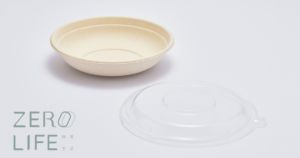
One of the most exciting applications of bioplastics is in the food service industry. I recently made the switch to plant fiber meal boxes for takeout and meal prep, and I was amazed at how effective and eco-friendly they are. Made from agricultural residues like bagasse (sugarcane fiber), these meal boxes offer clear environmental and functional benefits. Here’s what stood out:
Environmental Benefits of Plant Fiber Meal Boxes
- Compostable: Unlike Styrofoam or conventional plastic containers, plant fiber boxes break down naturally in composting environments, leaving no toxic residue.
- Resource-efficient: They’re often made from byproducts of other industries, reducing waste and maximizing resource use.
- Non-Toxic: Free from harmful chemicals like BPA, they provide a safer option for food packaging.
When I started using these meal boxes, I felt confident knowing that I wasn’t contributing to the mountains of plastic waste piling up in landfills and waterways.
Functionality for Everyday Use
It’s not just their sustainability that makes plant fiber meal boxes appealing—their functionality is also impressive. Here’s how they compare to traditional plastic containers:
- Microwave and Freezer Friendly: These boxes can handle both hot and cold foods without degrading or leaching harmful chemicals.
- Lightweight: Despite being sturdy, they’re easy to carry, making them perfect for on-the-go meals.
- Customizable: Many brands offer customized options for businesses, ensuring eco-friendly packaging doesn’t compromise branding.
Whether you’re running a food business or simply looking for better takeout options, plant fiber meal boxes check every box for practicality and eco-consciousness.
Challenges Bioplastics Face
Despite their many benefits, bioplastics aren’t a flawless solution. To understand the full picture, it’s essential to acknowledge the challenges:
Recycling Complications
Not all bioplastics are recyclable or compostable in standard facilities, leading to confusion among consumers about proper disposal methods. As a result, these materials sometimes end up contaminating traditional recycling systems.
Limited Availability
Bioplastics are still a growing industry, and their availability is limited in many regions. Additionally, the infrastructure for composting or recycling certain types of bioplastics isn’t widespread, reducing their overall effectiveness.
Production Costs
Compared to conventional plastics, bioplastics are often more expensive to produce. While costs are gradually decreasing as technology advances, price remains a barrier for widespread adoption.
How You Can Support the Growth of Bioplastics
Adopting bioplastics in your daily life is easier than you think. Here are some actionable steps you can take:
- Choose Bioplastic Products: Look for packaging made from biodegradable or bio-based materials when grocery shopping or ordering takeout.
- Encourage Local Businesses: Support restaurants and retailers that offer bioplastic or plant fiber packaging options.
- Properly Dispose of Bioplastics: Research local composting facilities or specialized recycling programs to ensure bioplastics are disposed of correctly.
- Spread Awareness: Talk to friends and family about the benefits of bioplastics and advocate for broader adoption in your community.
The Future of Bioplastics
While bioplastics aren’t a perfect solution, their potential to replace traditional plastic packaging is immense. Innovations in this field are evolving rapidly, with researchers and companies working tirelessly to address existing challenges. By embracing bioplastics in our everyday lives and calling for systemic change, we can collectively take a step toward a cleaner, greener future.
Switching to bioplastics might seem like a small change, but it signifies a larger shift toward sustainable living. Together, we can push for progress and make choices that protect our planet for generations to come. Let’s make the switch—because every little bit counts.
“`