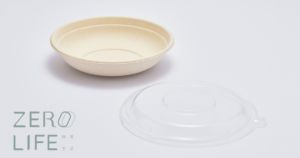

Every day, many of us are surrounded by materials made from traditional plastics, often without stopping to consider the environmental costs. But did you know that bioplastics—eco-friendly alternatives derived from renewable sources—are already quietly becoming a part of our daily lives? These innovative solutions go beyond the obvious, offering sustainable options for commonly used products. Let’s explore five surprising bioplastic examples that you encounter daily and why they matter for creating a greener, more sustainable future.
Bioplastics are more than just a niche alternative; they offer a practical, eco-friendly solution to reduce our dependence on fossil-based plastics. Derived from renewable resources like cornstarch, sugarcane, and even agricultural waste, bioplastics are compostable, recyclable, or biodegradable—depending on the formulation. With growing environmental awareness, these innovative materials are now showing up in unexpected places. Let’s dive into the world of bioplastics and discover some surprising everyday examples making a positive impact on the planet.
1. Food Containers and Packaging
If you’ve recently dined at a sustainable café or ordered from an eco-conscious food delivery service, chances are your leftovers came in a bioplastic container. Plant-based packaging and meal boxes made from cornstarch or sugarcane bagasse have become widely popular alternatives to traditional plastic products.
Benefits of Bioplastic Food Containers
- Eco-friendly Disposal: Many of these containers are compostable or biodegradable, ensuring they don’t end up sitting in landfills for years.
- Renewable Resources: They are made from materials such as cornstarch, bagasse, and PLA (polylactic acid), which come from renewable agricultural sources.
- Food Safety: Bioplastics are designed to be food-safe, making them a reliable choice for storing leftovers or takeout meals.
Next time you order a smoothie or a salad from a forward-thinking restaurant, take a closer look at the container—it might just be yet another step toward a more sustainable food system.
2. Disposable Cutlery
Have you noticed that the disposable forks, knives, and spoons at some fast-food chains or food trucks feel and look different? It’s highly likely that these utensils are made with bioplastics like CPLA (Crystallized Polylactic Acid) or other plant-based materials. These alternatives are gaining traction as countries introduce bans on single-use plastics.
Advantages of Bioplastic Cutlery
- Reduced Carbon Footprint: Unlike conventional plastic cutlery made from petroleum, bioplastic alternatives require significantly fewer fossil fuels during production.
- Compostability: Many brands now offer biodegradable cutlery that can break down in industrial composting facilities.
- Stylish Design: These options often have a sleek, modern look that appeals to eco-conscious consumers and businesses alike.
Switching to bioplastic utensils is a small yet meaningful way to cut back on single-use items while dining on the go.
3. Coffee Cups and Lids
Are you one of the millions who start the day with a coffee-to-go? Many coffee shops are now using bioplastic-lined cups and lids made from plant-based materials such as PLA (polylactic acid). What once was a distant dream has now become a practical reality—an eco-conscious way to enjoy your favorite hot beverage.
Why Coffee Shops are Adopting Bioplastics
- No Plastic Taste: Bioplastic linings prevent liquids from soaking through without altering the natural flavor of your drinks.
- Compostable Options: Certain bioplastic lids and linings can compost naturally in the right conditions.
- Reducing Single-Use Plastics: This shift minimizes the environmental impact of billions of coffee cups sold worldwide.
To support this shift, consider bringing your reusable cup to your favorite café or supporting brands committed to sustainable packaging.
4. Electronics Components
Bioplastics are also making their mark in the tech industry. Today, you might unknowingly use bioplastic-wrapped electronics. Headphones, laptop casings, and even phone cases are among the surprising items benefiting from this eco-conscious material.
How Bioplastics Enhance Electronics
- Lightweight and Durable: Bioplastics can mimic the strength and versatility of traditional plastics while remaining lightweight.
- Eco-Friendly Manufacturing: Brands are exploring bioplastics to reduce the carbon emissions associated with electronics production.
- Biodegradable Options: Some manufacturers are aiming for products that will easily decompose after their lifecycle.
As consumers, we can support this innovation by choosing electronics made with bio-based materials or promoting companies embracing sustainability in their production processes.
5. Everyday Clothing and Accessories
Did you know some fabrics and fashion items are now made using bioplastics? From biodegradable sneakers to purses made with PHA (Polyhydroxyalkanoate), bioplastic-based textiles are introducing significant sustainability upgrades to the fashion world.
Why Bioplastics in Fashion Matter
- Breaking Down Naturally: Many bioplastic fibers are built to decompose naturally at the end of their useful life, reducing textile waste.
- Diverse Applications: From vegan leather alternatives to sustainable zippers, bioplastics offer a planet-friendly solution for countless accessories.
- Closing the Loop: Some clothing brands are using materials like agricultural waste and plant-based polymers to create fully circular fashion systems.
Next time you shop for shoes, bags, or jackets, consider supporting brands incorporating bioplastic designs to help push the industry toward a greener future.
How You Can Support the Bioplastics Movement
It’s clear that bioplastics are already making a significant impact across a variety of industries. While they aren’t a perfect solution to the global plastic crisis, they represent a crucial step toward sustainability. Here are some ways you can support the adoption of bioplastics:
- Look for bioplastic packaging and products in your everyday purchases, from groceries to fashion items.
- Support businesses and brands that actively prioritize sustainable materials in their operations.
- Educate yourself and others about the benefits of bioplastics and how they help reduce plastic waste.
- Properly dispose of bioplastic items based on their specific end-of-life guidelines (e.g., compostable vs. recyclable).
- Encourage local policymakers to expand industrial composting facilities to handle bioplastics effectively.
The move toward a sustainable future requires choices that prioritize the planet, and bioplastics offer one of many promising opportunities. By consciously choosing eco-friendly alternatives, we can collectively work to reduce the environmental impact of plastics—and make the shift toward a greener future.
“`