
Hello, friends! Have you ever wondered how you can reduce your environmental footprint in everyday life? One surprising and impactful area is the everyday use of bioplastics—sustainable materials that look and act like regular plastics but are made from renewable resources. Today, I’m sharing 5 unexpected examples of bioplastics you encounter daily. These small changes can collectively make a big difference in reducing plastic waste and stopping overflow into landfills. Let’s explore how the things around us are getting more eco-friendly.
Bioplastics, made from natural sources like cornstarch or sugarcane, are increasingly replacing traditional plastics in everyday items. Why does this matter? Because traditional plastics are made from fossil fuels and take centuries to decompose, causing massive environmental harm. By switching to bioplastics, companies are helping reduce carbon emissions, protect ecosystems, and promote a circular economy. What makes this interesting is how seamlessly these alternatives fit into our daily lives while creating a positive environmental impact.
—
1. Compostable Food Packaging
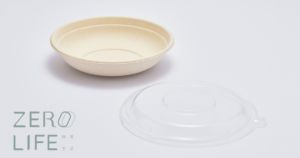
From your favorite coffee shop to your local deli, food packaging is undergoing an eco-friendly makeover. Many of the take-out containers and coffee cups you use today are made from bioplastics. These materials—often derived from corn or sugarcane—are designed to break down in composting conditions, reducing the waste that piles up in landfills.
The Benefits
- Reduced Waste: Compostable containers biodegrade much faster than traditional plastic, leaving no harmful residues.
- Carbon Footprint Reduction: Since they’re made from renewable resources, these bioplastics have a smaller carbon footprint.
- Safe for Food: These materials are safe for packaging food and drinks and are free of harmful chemicals found in standard plastics.
Next time you grab take-out, look for a label like “compostable” or “made from plant-based materials.” By choosing these options, you’re supporting a greener planet.
2. Fashion Accessories and Sunglasses
What if I told you something as stylish as your sunglasses could be made from bioplastics? Many companies are now producing fashion accessories, including eyewear and jewelry, using biopolymers derived from renewable sources. These materials not only look chic but are also lightweight, durable, and kind to the planet.
Practical Insights
- Renewable Elegance: Plant-based materials like castor seed oil or cellulose acetate are being used to create high-quality frames.
- Durability: These products are crafted to last, ensuring a sustainable yet stylish accessory.
- Recyclable Options: Some brands even offer take-back programs to ensure your used bioplastic items are recycled properly.
It’s amazing to think that your accessories can now match your fashion sense and your eco-values at the same time!
3. Kitchen Utensils and Tableware
Throwing a party or upgrading your kitchen? Chances are, you’ve encountered plates, cutlery, or cups made out of bioplastics. Items like cornstarch-based cutlery or bamboo-fiber plates are biodegradable and a great alternative to traditional single-use plastics.
Why Choose Bioplastic Tableware?
- Compact and Convenient: These items are perfect for picnics, barbecues, or outdoor events where cleanup is easy and environmentally friendly.
- Non-Toxic and Safe: Bioplastic utensils are safe for contact with food and drinks.
- Certified Compostable: Many of these items carry certifications ensuring they decompose naturally in appropriate facilities.
Switching to plant-based tableware doesn’t just eliminate harmful plastics; it enables sustainable living you can take pride in.
4. Bioplastic Toothbrushes
This one might surprise you—it certainly surprised me when I first saw one! Bioplastic toothbrushes are an excellent way to make your daily routine more sustainable. Handles made from cornstarch or other plant-derived materials can replace traditional petroleum-based plastics.
The Environmental Advantage
- Eco-Friendly Materials: Handles are derived from renewable resources, while the bristles are sometimes made from castor oil derivatives.
- Less Plastic Waste: Bioplastic toothbrushes break down easier than traditional plastic ones, reducing landfill waste.
- Same Great Performance: These brushes are as gentle on your teeth and gums as any standard toothbrush.
A simple change like this can make a huge difference when multiplied by millions of people switching over.
—
Let me know if you’d like the remaining sections, formatted to include the other H2 headings, lists, and additional details!