As someone who’s passionate about sustainability and reducing waste, I’ve always been on the lookout for better solutions to the growing plastic problem. It’s no secret that conventional plastic packaging contributes significantly to pollution, and with the rise in awareness about climate change and environmental degradation, more people are turning their attention to eco-friendly materials. This brings us to an exciting innovation: bioplastic boxes! Plant-based meal boxes are being touted as a promising alternative to traditional plastic, but are they really the future of sustainable packaging?
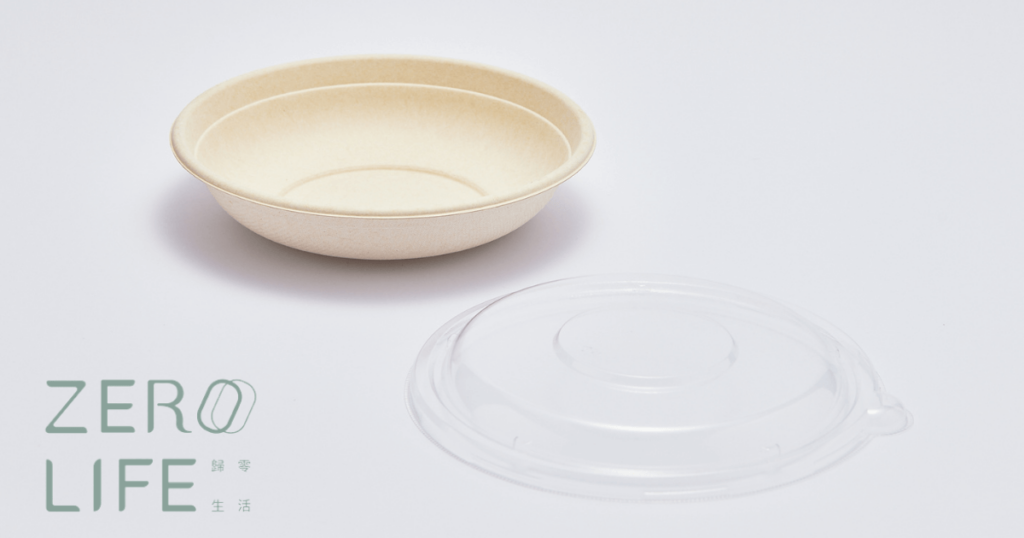
Bioplastic boxes, particularly those made from plant fibers, offer a compelling alternative to petroleum-based plastics. Derived from renewable resources like corn, sugarcane, or wheat straw, these eco-friendly materials aim to reduce plastic pollution and environmental impact. In addition to being biodegradable or compostable, bioplastic boxes carry the potential to transform global packaging trends, fostering a greener future. From meal prep to take-out services, these innovative solutions check the boxes for environmental stewardship, convenience, and functionality.
Understanding Bioplastic Boxes: What Makes Them Different?
To understand why bioplastic boxes are creating such a buzz, we need to look at what sets them apart. These products are designed to address the core issue of single-use plastic, which often ends up in our oceans and landfills. Unlike traditional plastics, which are petroleum-based and non-biodegradable, bioplastic boxes are made from plant-based materials that offer several key advantages.
Key Features of Bioplastic Boxes
- Renewable Resources: Bioplastic boxes are derived from natural materials like corn starch, sugarcane, or even agricultural residues such as wheat straw. This reduces dependence on fossil fuels.
- Reduction in CO2 Emissions: The production process for bioplastics typically generates lower carbon emissions compared to traditional plastics, helping to combat climate change.
- Biodegradability: Many bioplastic boxes are biodegradable or compostable, meaning they can break down naturally and return to the earth without leaving harmful residues.
- Non-Toxic: With no harmful chemicals like BPA or phthalates, these boxes are safer for both human health and the environment.
What Are Bioplastic Boxes Used For?
Bioplastic boxes are designed to be as versatile as their conventional counterparts, with applications that go far beyond food storage. They’re already being used in:
- Food Packaging: From take-out meals to supermarket containers, bioplastic boxes are a popular choice for reducing waste in the food industry.
- Meal Prep Storage: Home cooks are turning to bioplastic meal prep containers as durable, eco-friendly solutions for storing leftovers or meal components.
- Catering and Events: Many eco-conscious events are opting for bioplastic packaging to reduce environmental impact.
The Benefits of Using Bioplastic Boxes
Having personally switched to bioplastic options for my meal storage and take-out orders, I’ve realized just how beneficial these innovative boxes can be. Here’s why they’re worth considering:
Environmental Advantages
One of the main reasons bioplastic boxes stand out is their positive environmental impact. Here’s how they make a difference:
- Reducing plastic waste by offering biodegradable or compostable alternatives.
- Lowering greenhouse gas emissions through renewable resource manufacturing.
- Reducing reliance on petroleum, thus contributing to global energy conservation efforts.
Practical Benefits
In addition to being more eco-friendly, bioplastic boxes are also highly functional:
- Microwave-Safe: Many options can be safely used to reheat food, making them comparable to traditional plastic containers.
- Lightweight and Durable: Despite being plant-based, they’re sturdy enough to hold heavy or wet food items without leaking.
- Cost-Effective: As demand increases, bioplastic boxes are becoming more affordable, making them accessible to a wider audience.
Challenges and Considerations
Of course, like any product, bioplastic boxes are not without their challenges. To truly understand their impact, we need to take a closer look at some of the potential downsides.
Are All Bioplastics the Same?
Not all bioplastic boxes are created equal. Some are only partially biodegradable, and others require industrial composting facilities to break down effectively. This means:
- Consumers and businesses need to be aware of proper disposal methods.
- Composting infrastructure needs to expand to accommodate these products.
- Labels and certifications should be carefully reviewed to avoid greenwashing claims.
Limitations in Recycling
Another issue to consider is that many recycling facilities are not yet equipped to process bioplastics. This creates a gap in the waste management system, which will need to be addressed for bioplastic boxes to reach their full potential as a sustainable solution.
How You Can Support the Bioplastic Movement
Making the switch to bioplastic boxes is a great start, but there’s more we can do to support this eco-friendly innovation. Here are a few practical steps:
- Purchase Responsibly: Look for products with clear labeling that indicates they are compostable or biodegradable.
- Educate Yourself: Learn about your local composting and recycling options to ensure proper disposal.
- Advocate for Change: Support policies and initiatives that expand composting infrastructure and encourage businesses to adopt sustainable packaging.
- Reduce Overall Waste: While bioplastics are a better alternative, reducing single-use items altogether is the most sustainable choice. Opt for reusable containers when possible.
Conclusion: A Step Toward a Greener Future
Bioplastic boxes represent an exciting leap forward in sustainable packaging, offering a practical alternative to conventional plastics without compromising on functionality. By incorporating renewable resources and embracing biodegradability, these innovative solutions have the potential to significantly reduce plastic pollution and carbon emissions. While challenges remain, the growing adoption of bioplastic boxes is an encouraging sign of change. Personally, I’ve found them to be a simple yet effective way to align my everyday habits with my commitment to the environment. Could bioplastic boxes be the future of sustainable packaging? I think we’re well on our way.