Are Bioplastic Boxes the Future of Sustainable Packaging?
As I look around at the growing mountain of single-use plastic waste in my daily life, one thing has become crystal clear: the way we package and store food needs to change. Fast. The modern convenience of plastic comes at the cost of clogged oceans, harmed wildlife, and an enormous carbon footprint. This is where innovative alternatives like bioplastic boxes and plant fiber meal boxes step in, offering not just hope but practical solutions for a greener, more sustainable future.
Sustainability isn’t just a buzzword anymore; it’s a necessity. Using plant-based materials to create bioplastic packaging not only addresses the environmental destruction caused by traditional plastics but also offers durable, functional, and eco-friendly alternatives. From reducing landfill impact to lowering greenhouse gas emissions, plant fiber meal boxes are emerging as reliable champions in the transition toward sustainable living.
—
What Are Bioplastic Boxes?
Bioplastic boxes are containers developed from renewable biological resources, such as plant starch, sugarcane, corn, or other agricultural by-products. Unlike traditional petroleum-based plastics, these innovative materials aim to reduce reliance on fossil fuels while also addressing the critical issue of plastic waste.
Here’s why they matter:
- They are partially or completely biodegradable, making long-term disposal less harmful to the environment.
- Bioplastics require fewer greenhouse gas emissions during their production.
- Unlike traditional plastic, they are made from renewable resources and are not tied to diminishing fossil fuels.
Perhaps most exciting is their versatility. Bioplastic boxes are now being designed to safely store food, package retail products, and even support large-scale industrial shipping operations.
—
How Do Plant Fiber Meal Boxes Work?
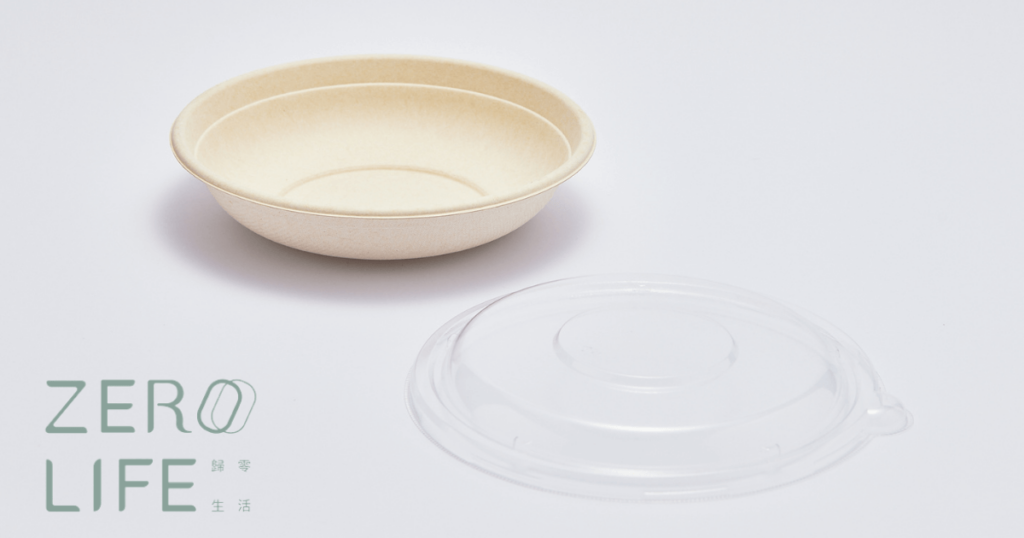
Plant fiber meal boxes take the concept of bioplastics one step further. They are typically manufactured from agricultural waste, such as wheat straw, sugarcane bagasse, or bamboo by-products, making them a truly zero-waste solution. I’ve seen restaurants and meal prep companies increasingly turn to these durable, compostable alternatives—and for good reason!
Environmental Advantages of Plant Fiber Boxes
Using plant fiber boxes offers numerous environmental benefits:
- They’re entirely biodegradable, often breaking down in as little as 90 days in commercial composting facilities.
- Switching to them reduces dependency on petroleum-based plastics that take over 400 years to degrade.
- The agricultural residues used to create them would otherwise go to waste or be burned, releasing harmful emissions.
Real-World Applications
In my experience, these meal boxes are perfect for both personal and commercial use:
- Restaurants and food delivery services can switch to plant fiber boxes for takeout and delivery meals, ensuring their operations are environmentally conscious.
- Meal prepping enthusiasts will find them ideal for storing individual portions without worrying about plastic leaching into food.
- Large-scale event catering can use these containers to provide sustainable dining solutions to guests.
Our reliance on single-use plastics during the pandemic showcased just how much our consumption patterns need a sustainable upgrade. By normalizing the use of plant-based alternatives like these meal boxes, we can drive changes not just in individual behavior but also across industries.
—
Why Should You Switch to Bioplastic Boxes?
On my journey to living more sustainably, I’ve learned that choices like these plant-based boxes have ripple effects. Each decision we make leads to bigger shifts in how resources are extracted, used, and discarded. Switching to bioplastic boxes may seem like a small step, but it comes with big environmental advantages.
Key Reasons to Choose Bioplastics
- Eco-Friendliness: They degrade faster and don’t leave toxic residues behind.
- Durability: These boxes can withstand heat, moisture, and cold temperatures, much like their petroleum-based counterparts.
- Cost-Efficiency: As demand rises, the cost of bioplastics is expected to decrease, making them accessible for everyone.
When I first started using these alternatives in my daily routine, I realized they offer all the functionality of traditional plastic containers without the guilt. Whether I’m packing leftovers or picking up groceries, I know my choices align with my values.
—
Challenges and the Road Ahead for Bioplastic Boxes
While bioplastic boxes are brimming with potential, it’s important to consider the challenges that come with widespread adoption. For one, the infrastructure for composting or properly disposing of bioplastics is still limited in many parts of the world. Without access to commercial composting facilities, some of these products may still end up in landfills, where their decomposition processes slow down considerably.
Overcoming Barriers
As consumers, we can play a role in overcoming these barriers:
- Advocate for better composting and recycling facilities in your community.
- Educate yourself about which bioplastics are fit for home composting and which require industrial facilities.
- Support brands and businesses that prioritize sustainable packaging to drive demand for greener alternatives.
Efforts from policymakers, corporations, and grassroots movements are beginning to align to create a future where bioplastics become the norm. However, these steps need to accelerate to address the pressing threats of climate change and plastic pollution.
—
The Verdict: Are Bioplastic Boxes the Future of Sustainable Packaging?
After exploring these innovative materials and trying them out for myself, I firmly believe bioplastic boxes are poised to lead the future of sustainable packaging. The combination of their environmental benefits, durability, and adaptability makes them an obvious choice for individuals and businesses alike.
But the work doesn’t stop here. For these solutions to truly transform our waste systems and reduce our carbon footprint, we need to advocate for systemic changes in waste management, better infrastructure for bioplastics, and increased accessibility for everyone.
As we each shift towards these eco-friendly options, I’m reminded that sustainable living is not about perfection; it’s about progress. Each biodegradable box we use brings us closer to a cleaner planet—and in my book, that’s a future worth investing in.
—