Hello, friends! If you’re like me, always on the lookout for ways to live a more eco-friendly lifestyle, then you’ve probably considered how everyday products impact the environment. One question I’ve been seeing more and more is this: is bamboo pulp better than traditional paper pulp when it comes to sustainability? With so much talk about renewable resources and reducing waste, it’s time to dive into this topic and see what’s truly the greener choice.
Bamboo pulp is gaining attention as a sustainable alternative to paper pulp due to its fast-growing properties, reduced resource demands, and eco-friendly production methods. By understanding the differences and advantages of these materials, we can make better choices for reducing deforestation and environmental pollution. Whether you’re shopping for products or concerned about sustainability, knowing the distinction between bamboo pulp and paper pulp can make a real difference for our planet.
Why Bamboo Pulp Is Becoming a Sustainability Superstar
Bamboo, often called “the fastest-growing plant on Earth,” has emerged as a key player in sustainable living. Why? Because unlike traditional paper sources such as hardwood trees, bamboo regenerates quickly and requires far fewer resources for cultivation. Here’s a deeper look at why bamboo pulp is creating such a buzz.
Bamboo Grows Back Rapidly
One of bamboo’s standout features is its astonishing growth rate. While hardwood trees can take 20-70 years to mature, bamboo can be harvested in as little as 3-5 years. Since bamboo regenerates without needing to be replanted, this makes it an excellent renewable resource for pulping.
It Requires Fewer Resources to Grow
Unlike trees used for paper production, bamboo thrives without heavy irrigation, fertilizers, or pesticides. This reduces its environmental footprint significantly. Additionally, bamboo produces up to 35% more oxygen than an equivalent stand of trees, which means it’s doing double duty by absorbing carbon dioxide and providing a renewable alternative for paper-making.
A Stronger, More Versatile Fiber
Bamboo fibers are naturally strong and durable, which makes bamboo pulp highly adaptable for a variety of uses. From paper products to textiles and even biodegradable packaging, bamboo pulp offers both versatility and eco-friendliness.
The Environmental Impact of Paper Pulp
Now, let’s talk about traditional paper pulp production. While paper itself is biodegradable and recyclable, its environmental cost starts at the very beginning of the production cycle: deforestation, chemical processing, and high water consumption. Here’s what you need to know:
Deforestation Is a Major Problem
Conventional paper pulp production often relies on hardwood or softwood trees like pine, spruce, and eucalyptus. The harvesting of these trees contributes significantly to global deforestation, which in turn leads to habitat loss, reduced biodiversity, and increased greenhouse gas emissions.
High Energy and Chemical Use
The traditional paper-making process requires large amounts of water, energy, and chemicals such as chlorine for bleaching. These processes can release pollutants into the air and waterways, further contributing to environmental harm.
Recycling Isn’t Always the Answer
While recycling paper helps reduce waste, the process can only be done a limited number of times before the paper fibers deteriorate. Additionally, paper recycling requires energy and water, meaning it’s not a perfect solution.
Bamboo Pulp vs. Paper Pulp: Breaking It Down
So, which is better for the environment: bamboo pulp or paper pulp? To make an informed decision, we need to compare them across several key factors.
1. Sustainability and Renewability
- Bamboo Pulp: Bamboo is one of the most renewable plants on Earth. Its ability to regrow rapidly and without replanting gives it a sustainable edge over traditional trees.
- Paper Pulp: Trees take decades to grow, causing significant concerns about long-term sustainability and the loss of forest ecosystems.
2. Resource Efficiency
- Bamboo Pulp: Requires less water, fewer chemicals, and no pesticides to grow, making it a low-impact option for the environment.
- Paper Pulp: Traditional paper-making processes are resource-intensive, utilizing large amounts of energy, water, and chemicals.
3. Carbon Footprint
- Bamboo Pulp: Produces less carbon dioxide during its lifecycle and helps absorb CO2 while growing.
- Paper Pulp: Typically has a higher carbon footprint due to deforestation, transportation, and energy-intensive production methods.
How You Can Choose Sustainable Products Made from Bamboo Pulp
If you’re ready to embrace bamboo pulp and reduce your environmental footprint, there are plenty of ways to get started. Products made from bamboo are widely available and offer eco-friendly alternatives to their paper counterparts:
1. Opt for Bamboo-Based Packaging
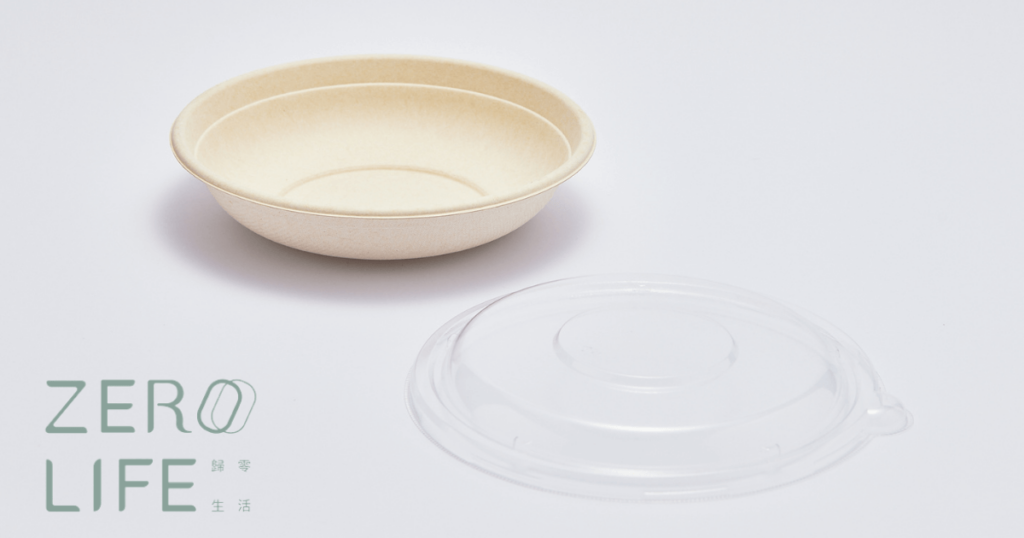
Bamboo pulp is increasingly being used to create biodegradable packaging, from meal boxes to shopping bags. These alternatives are not only better for the environment but also help reduce your reliance on single-use plastics and synthetic materials.
2. Switch to Bamboo Paper Products
Toilet paper, tissues, and paper towels made from bamboo pulp are becoming more commonplace. These products are soft, durable, and biodegradable, making them an easy swap for traditional paper goods.
3. Support Eco-Certified Bamboo Brands
When purchasing bamboo-based products, look for certifications like FSC (Forest Stewardship Council) to ensure the bamboo is sourced responsibly. Supporting brands with strong environmental commitments helps drive demand for sustainable materials.
Final Thoughts: The Future of Bamboo Pulp
As we move toward a more sustainable future, bamboo pulp stands out as a key innovation in reducing deforestation, conserving resources, and lowering our collective environmental impact. While traditional paper pulp has its place, the urgency of climate change means we must explore and embrace alternatives like bamboo. By making eco-conscious decisions in our daily lives, we can support the growth of sustainable industries and help create a healthier, greener planet.
What do you think about the shift to bamboo pulp? Have you tried any bamboo-based products that impressed you? Let’s keep the conversation going—our planet deserves it.