
When I first heard about bamboo pulp as a substitute for plastic in packaging, I was immediately intrigued. With the global push to reduce waste and find sustainable alternatives, bamboo has emerged as a superstar. But is it really the best alternative to plastic? Today, I’m diving into the world of bamboo pulp packaging to explore its uses, benefits, and whether it’s the eco-friendly choice we’ve been waiting for.
Bamboo pulp packaging has gained popularity as eco-conscious consumers look for ways to reduce plastic waste. Made from fast-growing bamboo, this material offers versatility, durability, and biodegradability, ticking many boxes for sustainability enthusiasts. In this post, I’ll explore its real-world applications, why it’s a strong contender for replacing plastic, and whether it truly lives up to the hype. Let’s unpack how bamboo pulp is revolutionizing modern packaging while helping the planet.
Bamboo Pulp Uses in Sustainable Packaging
Bamboo pulp has become a frontrunner in eco-friendly packaging solutions thanks to its renewable properties and versatility. It’s derived by processing bamboo leaves and stems into a pulp that can be molded into various forms. Here are some of the key ways bamboo pulp is used:
1. Food Containers and Meal Boxes
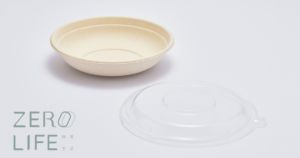
One of the most common bamboo pulp uses is in food packaging, particularly takeout containers and meal boxes. These sturdy, biodegradable containers are perfect for holding hot, cold, or greasy foods without leaking or breaking down prematurely. Restaurants and cafes worldwide are adopting these containers as they look for alternatives to polystyrene and single-use plastics.
2. Beverage Cups and Lids
Single-use coffee cups are infamous contributors to plastic waste. Bamboo pulp can be molded into lightweight, durable drinkware that holds coffee, tea, or cold beverages just as well as traditional plastic or paper cups—but with the added advantage of being biodegradable and compostable.
3. Custom Packaging for Retail and E-Commerce
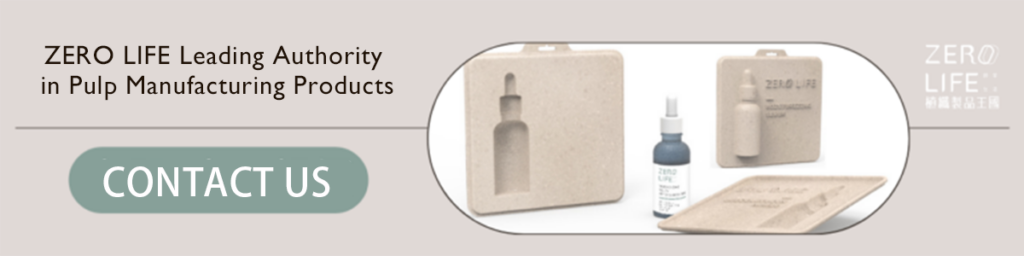
From electronics to cosmetics, brands are turning to bamboo pulp-based custom packaging solutions to emerge as eco-conscious leaders in their industries. Bamboo pulp products can be shaped into protective material for shipping, ensuring goods arrive intact while reducing the environmental toll.
Why Bamboo Pulp is Gaining Momentum
While materials like corn-based PLA and paper have also entered the sustainable packaging market, bamboo pulp has a unique position due to its versatility and environmental benefits. Let’s take a closer look at why it’s making waves.
Environmental Advantages
- Fast-Growing Resource: Bamboo matures within 3–5 years, much faster than hardwoods like oak, which can take decades to grow. This makes it a highly renewable resource.
- No Deforestation Required: Unlike paper products, bamboo is often harvested without permanent damage to the plant itself. This keeps ecosystems intact.
- Biodegradable and Compostable: Bamboo pulp breaks down naturally within months, reducing landfill burden compared to plastics that take hundreds of years to decompose.
Durability
- Heat and Moisture Resistant: Bamboo pulp containers perform well under a variety of conditions, including high heat and exposure to liquids, making them ideal for food-focused applications.
- Lightweight but Strong: Despite its flexibility, bamboo pulp is sturdy enough for protective packaging, proving its reliability for extensive shipping needs.
Cost Efficiency
As bamboo pulp products scale globally, their cost has dropped significantly, making them more accessible to businesses of all sizes. While early adopters may still encounter slightly higher costs compared to standard plastic packaging, this gap is narrowing quickly. What’s more, governments worldwide are actively offering incentives for companies that adopt eco-friendly alternatives, adding another layer of appeal.
Is Bamboo the Ultimate Plastic Alternative?
Though bamboo pulp is an amazing material, no solution is perfect. Let’s weigh the pros and cons to determine whether it’s the best choice:
Advantages of Bamboo Pulp
- Sustainability: As noted earlier, bamboo is a fast-growing, easily renewable material, making it a prime candidate for reducing deforestation and lowering carbon footprints.
- Biodegradability: Bamboo pulp decomposes naturally without leaving harmful toxins behind, unlike plastic materials.
- Reduced Carbon Emissions: The production and processing of bamboo pulp require less energy compared to petroleum-based plastics.
Challenges and Limitations
- Availability: Bamboo grows in specific climates, and large-scale demand could place pressure on specific regions where it thrives.
- Cost of Production: While prices are decreasing, production costs are still higher than mass-produced plastics for now.
- Waste Management Systems: Not all regions have composting facilities. Without proper disposal, the benefits of biodegradable materials may be lost.
Long-Term Viability
Considering its benefits and challenges, bamboo pulp has immense potential to revolutionize packaging. But to fully replace plastic on a global scale, infrastructure upgrades and further innovations will be necessary. With growing consumer awareness and technological advancements, bamboo pulp is definitely a step in the right direction.
How You Can Support Bamboo-Based Alternatives
Are you ready to make an impact? Here are actionable steps to consider:
- Support Brands Using Bamboo Solutions: Seek out companies that package their products in bamboo-based containers and give them your business.
- Request Sustainability Initiatives: Let restaurants or shops you frequent know that you’d prefer bamboo pulp packaging for takeout or retail purchases.
- Educate Yourself: The more you know about bamboo and its benefits, the better equipped you are to advocate for widespread adoption.
Switching to bamboo might seem like a small step, but collectively, these decisions create an enormous impact. If more people and businesses adopt biodegradable materials like bamboo pulp, together, we can take a huge leap toward living sustainably and ending the global plastic pollution crisis.
Conclusion: Transforming the Future of Packaging
It’s clear that bamboo pulp has carved out a vital role in changing the way we think about packaging. From its practical uses in food containers and e-commerce to its undeniable environmental benefits, bamboo proves that a greener, cleaner future is possible with the right materials. While challenges remain, the more we choose materials like bamboo, the closer we get to a world free of plastic waste. I’m excited to see where this eco-revolution takes us—and I hope you are too.
What do you think? Will bamboo pulp become your go-to option for sustainable packaging? Share your thoughts in the comments!