Everywhere we turn, single-use plastics and other non-biodegradable materials are wreaking havoc on our planet. It’s time to seek better alternatives that align with the principles of sustainable living. Bamboo pulp has been gaining traction as a game-changing material for packaging solutions. But is it the ultimate eco-friendly alternative we’ve been searching for? Let’s explore this innovative option and how it bridges the gap between convenience and environmental responsibility.
Bamboo pulp packaging, particularly in the form of plant fiber meal boxes, has captivated environmental enthusiasts and businesses alike. Combining impressive durability with biodegradability, bamboo packaging is quickly setting a new standard for eco-friendly alternatives. Not only does it offer a much-needed improvement over traditional materials like plastic and Styrofoam, but it also supports global efforts to reduce waste and combat climate change. Here’s why bamboo pulp might just be the green solution we’ve all been waiting for.
Bamboo Pulp Uses: Why Choose This Sustainable Material?
Bamboo pulp is created by processing bamboo fibers into a versatile, malleable material that can be molded into everything from food containers to wrapping paper. Its rising popularity is no coincidence—bamboo is one of the most sustainable resources on Earth. Unlike trees, which can take decades to mature, bamboo grows incredibly fast, making it an efficient and renewable option for manufacturing various products.
Advantages of Bamboo Pulp in Packaging
- Renewable and Fast-Growing: Bamboo is one of the fastest-growing plants on the planet. Some species can grow up to three feet per day, ensuring a steady supply without depleting resources.
- Biodegradable: Unlike plastic, which can take hundreds of years to break down, bamboo pulp decomposes naturally within just a few months.
- Low Carbon Footprint: Producing bamboo pulp packaging generates significantly fewer greenhouse gas emissions compared to plastic production.
- Non-Toxic: Bamboo pulp is free of harmful chemicals, making it safe for food storage and eco-conscious consumers.
What Makes It Stand Out?
One defining feature of bamboo pulp packaging is its versatility. From takeout meal boxes to protective packaging for electronics, the uses are endless. Take bamboo-based meal boxes, for example. These containers are not only durable enough to handle hot or wet foods, but they’re also lightweight and compostable. Many major food chains are now switching to bamboo fiber packaging to align with sustainability goals, and their customers are loving the greener alternative.
Bamboo Pulp Uses in Everyday Packaging Products
Bamboo pulp has found its way into a variety of applications, and its unique properties make it suitable for numerous packaging needs. Here are some real-world applications where bamboo pulp is changing the way we think about packaging.
1. Plant Fiber Meal Boxes
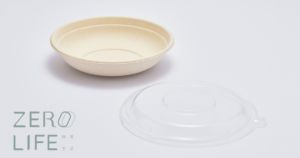
Perfect for restaurants, cafeterias, or even for personal meal prep, plant fiber meal boxes made from bamboo pulp are a sustainable and convenient alternative to traditional plastic. I recently switched to using these for my packed lunches, and I’ve noticed how sturdy they are while being incredibly lightweight. Plus, there’s no lingering guilt when disposing of them since they’re 100% biodegradable.
2. Bamboo Wraps and Bags
You may have heard of beeswax wraps, but bamboo wraps are making waves as another reusable alternative to plastic wrap. Additionally, bamboo pulp is being used to create biodegradable bags for food storage, shopping, and more. These products combine durability with sustainability to help reduce single-use waste.
3. Protective Packaging
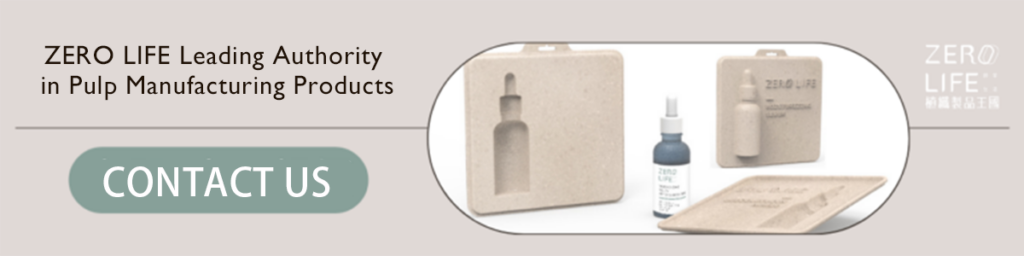
If you’ve ordered online recently, you’ve likely encountered styrofoam or bubble wrap that ends up in the trash. Bamboo pulp-based protective packaging is a superior replacement for these materials. It cushions fragile items effectively and simplifies recycling or composting once it’s served its purpose.
The Environmental Impact of Bamboo Pulp Packaging
The environmental advantages of bamboo pulp packaging extend far beyond just cutting down on plastic waste. By incorporating these biodegradable products into your daily life, you’re contributing to a global shift towards greener living. Here’s a closer look at how bamboo pulp makes a difference:
- Reducing Plastic Pollution: Bamboo fiber products can help break the cycle of single-use plastics that pollute oceans and harm marine life.
- Lowering Carbon Emissions: Harvesting bamboo and making bamboo pulp emits significantly fewer greenhouse gases than conventional paper or plastic production.
- Encouraging Circular Economy Practices: Many bamboo pulp products can be composted, transforming waste into valuable organic material for plants.
Bamboo’s resilience and renewability also mean less strain on forests, which helps preserve biodiversity and combat deforestation. The environmental impact of switching to bamboo pulp packaging is profound, and the more widespread its adoption becomes, the greater the benefit for future generations.
Should You Make the Switch to Bamboo Pulp Packaging?
If sustainability is one of your priorities (and it should be!), it’s worth considering a switch to bamboo pulp packaging in your daily life or business operations. From my experience, making this transition has been seamless—bamboo pulp products are not only eco-friendly but also incredibly practical. Whether you’re using bamboo meal boxes, wraps, or protective materials, you’re taking one small but impactful step toward reducing your environmental footprint.
How to Start Incorporating Bamboo Pulp Products
- Swap out plastic food containers: Begin with something simple, like replacing single-use plastic or Styrofoam meal boxes with bamboo meal boxes for your takeout or packed lunches.
- Choose eco-friendly wrapping materials: When shipping items or wrapping gifts, opt for bamboo-based alternatives to plastic or synthetic materials.
- Encourage businesses to go green: Support companies that use bamboo pulp packaging and request more eco-friendly options from those that don’t.
- Compost used bamboo products: After use, add biodegradable bamboo products to your compost pile to minimize waste while creating nutrient-rich soil for your garden.
Conclusion
Bamboo pulp uses in packaging are reshaping our approach to waste and sustainability. By embracing this renewable, biodegradable material, we have the opportunity to significantly reduce our dependence on plastics while protecting the environment for future generations. Whether you’re an individual looking to live more sustainably or a business striving to make greener choices, bamboo pulp packaging offers a practical solution that doesn’t compromise on quality, durability, or convenience. Let’s take this step together for a cleaner, greener future.