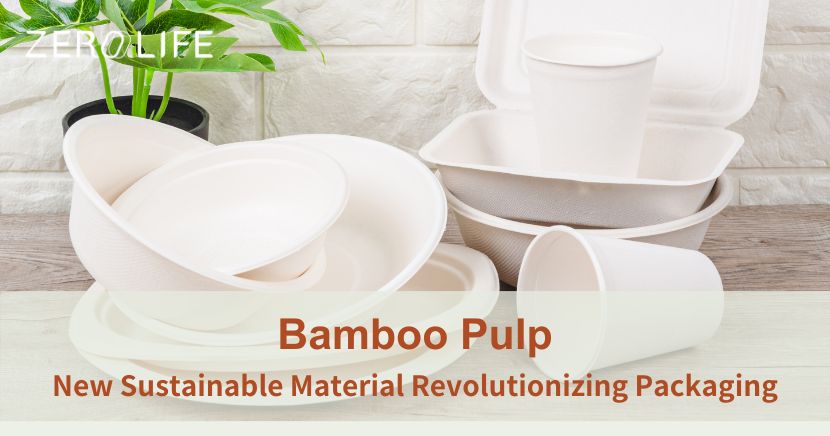
Hello, eco-conscious readers! Every year, millions of tons of plastic waste pollute our planet, choking oceans, filling landfills, and harming wildlife. But there’s hope on the horizon: bamboo pulp. This remarkable material is spearheading the revolution for sustainable packaging. As more people prioritize reducing their environmental footprints, bamboo pulp offers an innovative, practical solution that blends convenience with eco-friendliness. Let’s dive into why bamboo pulp is fast becoming the new standard in packaging, one that’s beneficial for both people and the planet.
Bamboo pulp is not just another eco-friendly trend—it’s a transformative leap in sustainable packaging. Made from one of the fastest-growing plants on Earth, it’s biodegradable, renewable, and versatile. Plant fiber meal boxes crafted from bamboo pulp stand out as functional, sturdy, and safe alternatives to harmful plastic containers. For anyone striving to live sustainably, these innovative boxes showcase how small changes—like choosing better packaging—can create a massive positive impact on the environment.
What Makes Bamboo Pulp So Sustainable?
When we say bamboo pulp is revolutionizing packaging, we mean it. Bamboo isn’t just another plant—it’s a sustainability powerhouse. Here’s why bamboo pulp deserves your attention:
1. Rapid Renewability
Bamboo is one of the fastest-growing plants on the planet, with some species growing up to 35 inches a day! Because bamboo regenerates quickly and doesn’t need replanting after harvest, it’s an incredibly renewable resource compared to trees, which take decades to mature.
2. Reduced Carbon Footprint
Bamboo absorbs more carbon dioxide and releases more oxygen compared to most plants. When we use bamboo pulp over conventional materials like plastic or virgin paper, we actively lower carbon emissions in the production process.
3. Biodegradable and Plastic-Free
Unlike plastic, which lingers in landfills and oceans for hundreds of years, bamboo pulp breaks down naturally within months under the right conditions. This means less waste clogging up our ecosystems.
- No toxic microplastics are released during decomposition.
- It integrates back into the earth as organic matter.
- Safe for wildlife and marine life if accidentally ingested during decomposition.
The Role of Bamboo Pulp in Sustainable Packaging
The rise of bamboo pulp reflects growing consumer demand for environmentally responsible products. But why is it such a game-changer when it comes to packaging? Let’s explore how this one material is reshaping the industry.
Eco-Friendly Food Packaging
One of the most exciting uses of bamboo pulp is in meal boxes. These plant fiber containers are perfect for take-out meals, packed lunches, and food storage. They’re sturdy enough to hold both wet and dry foods, making them a practical alternative to plastic or polystyrene food containers.
- Durability: Bamboo meal boxes can handle hot, cold, and oily foods without losing shape.
- Food Safety: Free from harmful additives and chemicals often found in plastics.
- Compostable: These boxes can go straight into your compost after use, contributing to a circular economy.
Everyday Packaging Solutions
Beyond food containers, bamboo pulp is increasingly being used for other forms of packaging, such as:
- Gift boxes: Eco-friendly and elegant, perfect for conscious shoppers.
- E-commerce packaging: Many brands are now ditching bubble wrap for bamboo fiber-based padding and boxes.
- Single-use items: Think disposable plates, cutlery, and cups that won’t end up polluting landfills.
Why Choose Bamboo Pulp Over Plastic?
Plastic pollution is one of today’s most pressing environmental issues, and reducing reliance on it should be a top priority. Here’s why bamboo pulp stands tall as the superior alternative:
1. Healthier for the Planet
Because bamboo pulp is compostable, it eliminates the plastic problem of never-ending decomposition. It’s a direct way to combat overflowing landfills and oceanic plastic islands.
2. Long-Term Cost-Efficiency
While bamboo pulp packaging may have a slightly higher upfront cost, its long-term benefits outweigh the expense. Consumers increasingly demand sustainable solutions, which means businesses adopting bamboo packaging now are future-proofing themselves in eco-conscious markets.
3. Versatile Across Industries
From food and cosmetics to electronics, bamboo pulp can be molded into various forms suitable for just about any product. This versatility has made it a darling for industries looking to align with greener values.
How You Can Make the Switch to Bamboo Pulp Packaging
If you’re ready to embrace a more sustainable lifestyle, here’s how you can start incorporating bamboo pulp into your daily routine:
1. Upgrade to Bamboo Meal Boxes
Replace single-use plastic or foam containers with reusable or compostable bamboo pulp meal boxes. These are perfect for on-the-go meals and are safe for microwaves and freezers.
2. Support Brands Using Bamboo Packaging
Eco-conscious businesses are already leading the way. When shopping online or in stores, look for bamboo-pulp-based packaging on your products.
3. Advocate for Change
Share your knowledge about bamboo pulp with friends, family, and communities. Encourage local eateries and stores to adopt bamboo pulp packaging to reduce their environmental impact.
Conclusion: The Future Is Bamboo
Bamboo pulp represents hope. Hope for cleaner oceans, fewer landfills, and a healthier planet for future generations. By choosing this sustainable material, we can collectively reduce the staggering damage caused by plastic waste and usher in a new era of eco-friendly living. Imagine a world where every meal box we throw away doesn’t harm the Earth but instead nourishes it through composting—that’s the future bamboo pulp is building.
Let’s take small but meaningful steps together. Whether you’re a consumer making smart purchasing decisions or a business adopting greener practices, bamboo pulp is the cornerstone of a sustainable tomorrow. Isn’t it time you joined the movement?