Oven-Safe Pulp Baking Trays: Are They Better Than Traditional Bakeware?
Have you ever stopped to think about how our everyday habits impact the planet? When it comes to baking and cooking, the materials we use can make a big difference. Recently, I discovered oven-safe pulp baking trays, an eco-friendly alternative designed to minimize waste while performing just as well—or even better—than traditional bakeware. For those of us aiming to live more sustainably, this innovation holds exciting possibilities for reducing plastic and metal reliance. Let’s take a closer look!
Switching to oven-safe pulp baking trays has the potential to reduce our environmental footprint without compromising on performance or convenience. Made from natural fibers such as plant pulp or bamboo, these trays are biodegradable and often compostable, unlike conventional bakeware materials that leach chemicals or persist as landfill waste for centuries. Beyond their planet-friendly credentials, these trays are surprisingly versatile—they’re oven-safe, grease-resistant, and lightweight, offering convenience and practicality for everyday cooking and baking.
What Are Oven-Safe Pulp Baking Trays?
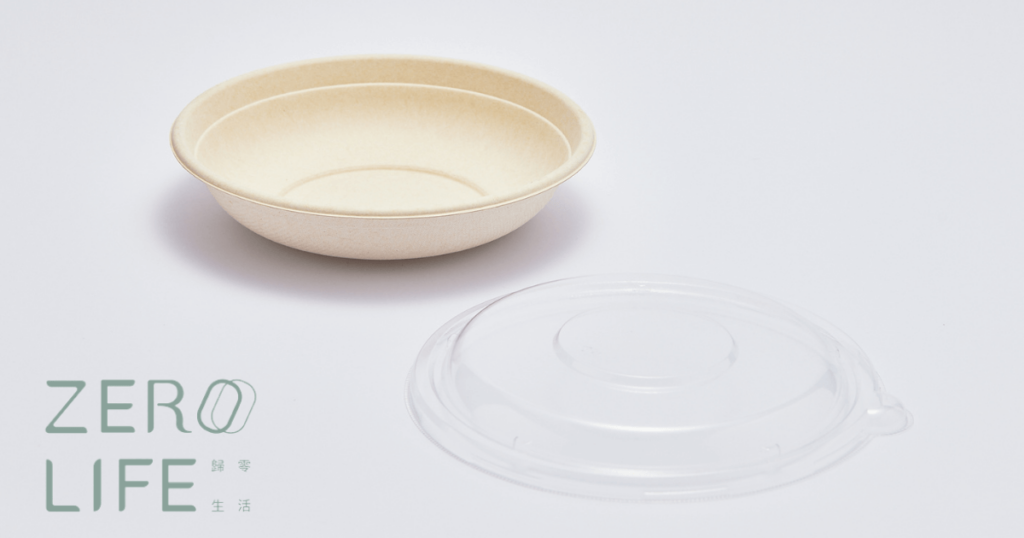
Oven-safe pulp baking trays are a sustainable alternative to traditional bakeware, made from renewable plant fibers such as bamboo, sugarcane, or wood pulp. They are designed for baking and cooking at high temperatures while being more environmentally friendly than metal or non-recyclable coated trays.
Unlike glass or metal pans, these trays are single-use, but their compostable design ensures they break down naturally when disposed of correctly. Many brands even make them chemical-free, ensuring food safety and avoiding toxins in your meals.
Why It’s Time to Explore Alternatives to Traditional Bakeware
Traditional bakeware—like non-stick metal or aluminum pans—has been a staple in most kitchens for years, but it’s time to reconsider their environmental and health implications:
- Metal bakeware often requires mining and refining, which contributes to environmental degradation and energy use.
- Non-stick coatings, although convenient, may release harmful chemicals into the air or food when heated to high temperatures.
- Aluminum trays and foil-based products are rarely recycled after use, often ending up in landfills or polluting ecosystems.
In contrast, pulp-based baking trays provide a smart and eco-conscious solution for anyone who wants to cook efficiently while prioritizing sustainability.
Benefits of Oven-Safe Pulp Baking Trays
Now that you know what oven-safe pulp baking trays are, let’s dive into the specific advantages that make them stand out:
1. Environmentally Friendly Materials
Oven-safe pulp baking trays are typically made from natural byproducts such as sugarcane fiber (commonly referred to as bagasse), wood pulp, or bamboo. These materials are renewable and biodegradable, meaning they’ll break down in compost or industrial processing facilities instead of sitting in landfills for decades.
2. Chemical-Free Cooking
Unlike some traditional bakeware that may contain coatings or plastics, most pulp-based trays are free from harmful chemicals like PFAS or BPA. This ensures safe food preparation, free from toxic fumes or leaching substances that can affect your health.
3. Convenient and Disposable
If you’ve ever baked a casserole or cake and dreaded the cleaning afterward, you’ll love how easy pulp trays are to use. Since they’re disposable and compostable, no sink full of scrubbing awaits you. Plus, they’re perfect for situations where convenience is key—like parties, BBQs, or outdoor events.
4. Temperature-Tolerant Performance
You might be wondering: can plant-based trays really handle the heat? The answer is a resounding yes. Oven-safe pulp trays are specially designed to withstand temperatures ranging from 375°F to 450°F (depending on the brand), making them suitable for baking bread, roasting vegetables, or even cooking hearty casseroles.
5. Grease-Resistant and Sturdy
Many of these trays come with a grease-resistant coating (natural and food-safe) that prevents leaks and maintains structural integrity during baking. This makes them just as functional as traditional pans while offering the added benefit of sustainability.
Real-World Applications of Oven-Safe Pulp Baking Trays
Wondering how oven-safe baking trays could fit into your life? Here are some practical examples to demonstrate their versatility:
- Meal Prep for Busy Weeks: Use pulp trays to cook multiple dishes at once and simply compost them afterward. No extra dishes to wash means more time for yourself!
- Outdoor Events or Picnics: Ditch metal bakeware and heavy glass dishes—pulp trays are lightweight, portable, and disposable.
- Holiday Cooking: Large family meals create plenty of dirty dishes. Take the stress out of cleanup by incorporating oven-safe pulp trays into your holiday cooking routine.
- Baking for Gifting: Deliver baked goods like brownies or cookies straight to friends or neighbors in a sustainable tray they won’t feel guilty discarding.
Are Oven-Safe Pulp Baking Trays Better Than Traditional Bakeware?
While personal preferences play a role, there are many reasons why I believe oven-safe pulp baking trays outshine traditional bakeware, especially for eco-conscious individuals. Here’s a side-by-side comparison to highlight the difference:
- Eco-Friendliness: Traditional bakeware is often non-biodegradable, while pulp trays break down naturally, reducing waste significantly.
- Convenience: Cleanup can be time-consuming for metal trays, but pulp trays are disposable and compostable.
- Health Safety: Non-stick coatings on traditional bakeware might release harmful chemicals, while pulp trays use natural, food-safe materials.
While traditional bakeware might still have its place in tasks requiring repeated use (like bread baking in reusable tin pans), pulp trays offer a compelling option when convenience, sustainability, and simplicity are the goal.
How to Choose the Right Oven-Safe Pulp Trays
When shopping for oven-safe pulp baking trays, keep the following considerations in mind to make the best choice for your needs:
- Temperature Tolerance: Check the manufacturer’s specifications for heat resistance.
- Certifications: Look for compostability certifications to ensure the trays are truly biodegradable.
- Size and Depth: Choose trays that fit your cooking needs, whether for cakes, casseroles, or roasted veggies.
- Packaging: Aim for brands with minimal, recyclable, or plastic-free packaging for a completely sustainable purchase.
The Final Word on Oven-Safe Pulp Baking Trays
Switching to eco-friendly alternatives like oven-safe pulp baking trays is a small but meaningful step toward reducing waste and adopting more sustainable habits in the kitchen. These trays not only offer a planet-friendly alternative to wasteful or toxic materials but also provide practical and reliable performance that rivals traditional bakeware.
Whether you’re hosting a gathering, baking regularly, or simply looking for ways to green your kitchen routine, these trays are an excellent choice. Go ahead—try them for your next baking project and experience the difference for yourself. Making this switch has helped me align my love of cooking with my commitment to sustainable living, and it can do the same for you. Let’s make eco-friendly baking the new norm!