Hello friends! Across the globe, there’s growing urgency to reduce our reliance on plastic and transition toward sustainable alternatives. One of the most impactful switches we can make is choosing eco-friendly packaging solutions like pulp containers. Not only do these biodegradable options reduce our environmental footprint, but they also pave the way for a greener and more sustainable future. Let me show you why this shift matters and how you can be a part of it.
Pulp containers, made from plant fibers, are quickly becoming the go-to choice for environmentally conscious people. These biodegradable packaging solutions are derived from renewable resources like sugarcane bagasse or wheat straw, making them an excellent alternative to plastic. With rising concerns about the plastic crisis and the need for sustainable practices in our day-to-day lives, choosing pulp-based products is a simple yet powerful way to make a positive difference. Here’s why pulp containers are the best biodegradable packaging for a sustainable future.
What Are Pulp Containers?
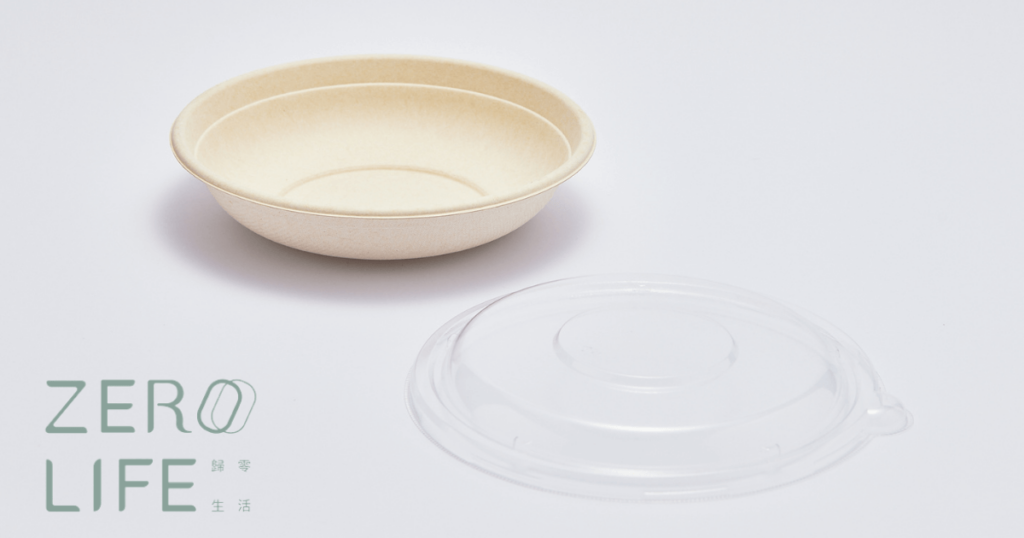
At its core, a pulp container is a type of biodegradable packaging made from natural plant fibers. These fibers come from renewable agricultural byproducts such as sugarcane, bamboo, wheat straw, or wood pulp. After the fibers are processed into a sturdy pulp, they’re molded into containers, trays, and meal boxes that we commonly see in food packaging.
Why Are They Better Than Plastic?
Plastic pollution is a crisis we can no longer ignore. Every year, millions of tons of plastic wind up in landfills and oceans, breaking down into microplastics that harm ecosystems and enter the food chain. Pulp containers, in contrast, are:
- Biodegradable: They naturally break down in compost systems, returning to the earth without leaving trace contaminants.
- Non-Toxic: There are no harmful chemicals released during their decomposition.
- Made from Renewable Sources: Unlike petroleum-based plastics, pulp-based products come from renewable, plant-based materials.
- Energy-Efficient: Manufacturing pulp containers requires less energy and emits fewer greenhouse gases compared to plastic production.
By replacing plastic packaging with pulp containers, we significantly reduce waste that would otherwise clog our landfills and waterways. Additionally, opting for biodegradable options aligns with the zero-waste movement, where every effort counts.
The Environmental Impact of Pulp Container Usage
If you’re wondering whether switching to pulp containers makes a real difference, the short answer is yes! Here’s a closer look at their environmental benefits:
1. Reduces Landfill Waste
Unlike plastics that can take centuries to break down, pulp containers biodegrade within a few weeks in industrial composting facilities. Even when discarded in regular waste streams, they decompose far faster than plastic, reducing long-term landfill accumulation.
2. Saves Energy and Resources
The production of plastic requires significant amounts of fossil fuels and energy. Pulp containers, on the other hand, use agricultural byproducts—materials that would typically go to waste—and convert them into something functional. This approach not only conserves natural resources but also repurposes existing waste.
3. Mitigates Greenhouse Gas Emissions
Every step in plastic production—from extraction to disposal—results in greenhouse gas emissions. Conversely, the life cycle of pulp containers generates far fewer emissions, making them a climate-friendly alternative.
Practical Benefits of Using Pulp Containers
Many people assume that eco-friendly options aren’t as practical as traditional packaging, but pulp containers defy this misconception. They’re not only better for the planet but also highly functional and versatile. Here’s why they’re a fantastic choice for both businesses and individuals:
1. Heat and Liquid Resistance
Pulp containers are designed to handle different temperatures and are far more durable than they look. They’re leakproof and can be used to hold both hot and cold meals, making them perfect for foodservice industries and on-the-go lifestyles.
2. Customization for Businesses
For restaurants, food trucks, and delivery services, pulp containers offer customizable options that can also serve as a branding opportunity. Printing logos or designs on sustainable packaging helps businesses showcase their commitment to the environment.
3. Easy Disposal
Pulp containers can be discarded in compost piles after use, where they will naturally degrade. Even if they end up in a landfill, their decomposition time is much shorter than plastic, meaning less long-term impact on the environment.
How to Incorporate Pulp Containers Into Your Life
Switching to pulp containers doesn’t require a drastic overhaul of your daily routine. Here are some simple yet effective ways to integrate them into your life:
- At Home: Replace conventional plastic food storage containers with pulp-based options for storing leftovers.
- During Events: Use biodegradable plates, trays, and utensils made from pulp materials for parties or gatherings.
- For Businesses: Transition from Styrofoam takeout boxes to plant fiber meal boxes to reduce your company’s carbon footprint.
- When Shopping: Choose brands and stores that package their goods in eco-friendly pulp containers instead of single-use plastics.
Every small change adds up, and by prioritizing sustainability, you’re contributing to a larger solution.
Making the Sustainable Choice
Pulp containers are much more than a trend—they represent a real solution for combating the growing environmental crisis. They offer the perfect balance of functionality, affordability, and sustainability, making them accessible to businesses, households, and eco-friendly advocates worldwide.
By choosing pulp-based packaging, we take one step closer to eliminating plastic waste and safeguarding the planet for future generations. Incorporating these biodegradable alternatives into our lives is a simple yet effective way to create meaningful change.
If we truly want to embrace sustainable living, every choice matters—even the packaging we use. So why not start today? Let’s swap out plastic for pulp and make eco-conscious living our everyday norm.