Everywhere you look, it’s clear that the world is making a much-needed shift toward sustainability. One way this is happening is through a growing preference for eco-friendly packaging materials, especially pulp packaging. As someone who tries to make greener choices whenever possible, I’ve noticed how these sustainable packaging solutions are appearing more frequently in business operations—from takeout containers to shipping materials. It’s a small but meaningful change that gives me hope for our planet’s future.
Over the past few years, pulp packaging has gained momentum as a sustainable alternative to plastic. Made from renewable plant fibers, this natural packaging minimizes environmental impact while offering functional and versatile uses. By embracing pulp packaging, businesses are not only protecting the environment but also meeting the rising consumer demand for green solutions. Whether you’re a shopper seeking eco-friendly products or a company looking to become more sustainable, it’s clear why this innovative packaging choice is here to stay.
What Is Pulp Packaging?
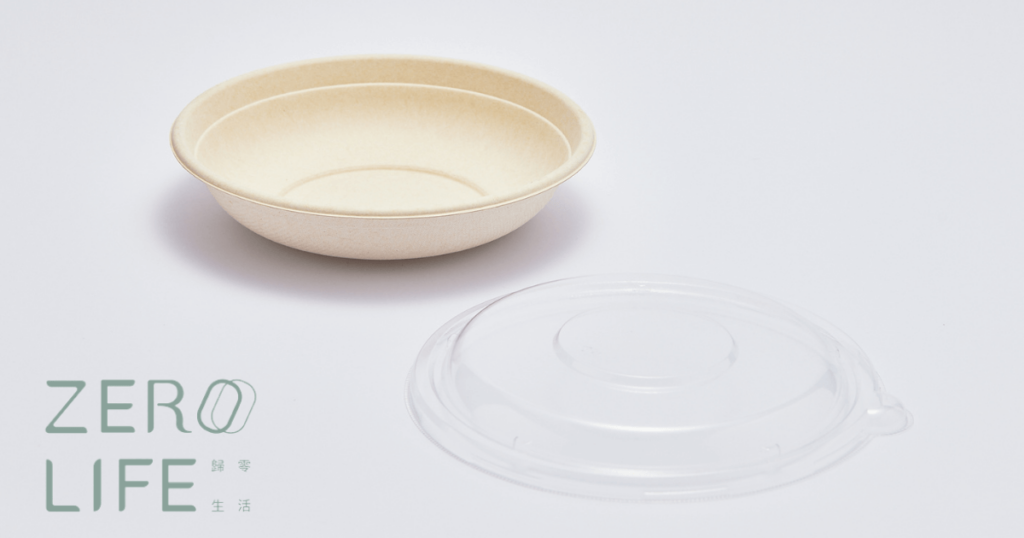
Pulp packaging, also known as molded fiber packaging, is crafted from natural, renewable fibers like wood pulp, sugarcane bagasse, bamboo, or recycled paper. These fibers are formed into durable, lightweight shapes to serve a variety of purposes, such as protecting and storing goods. Unlike traditional plastic-based packaging, pulp is biodegradable, compostable, and generally free from toxic chemicals, making it ideal for reducing plastic waste.
How Pulp Packaging Works
The process of creating pulp packaging is both efficient and eco-friendly. Here’s a simplified explanation:
- Plant fibers are collected from sustainable sources, such as agricultural waste or recycled materials.
- The fibers are mixed with water to create a slurry or “pulp.”
- Using molds, the wet pulp is shaped into specific forms, such as meal boxes or protective trays.
- These shapes are dried, pressed, and treated (if needed) for durability and performance.
This method results in packaging that can fulfill diverse industrial, commercial, and consumer needs—all while prioritizing sustainability.
Why More Businesses Are Switching to Pulp Packaging
Businesses worldwide are moving toward greener practices, and switching to pulp packaging is one of the easiest and most impactful changes they can make. Here’s why:
1. Environmental Benefits
By choosing pulp over plastic, businesses help reduce the staggering volume of single-use plastics filling landfills and oceans. Some key environmental advantages of pulp packaging include:
- Biodegradability: Pulp breaks down naturally in the environment within a matter of months, unlike plastic, which can take hundreds of years to decompose.
- Compostability: Many types of pulp packaging can be composted at industrial facilities or even in home composting setups.
- Reduced Carbon Footprint: Since pulp packaging is made from renewable and often locally-sourced materials, its production process typically uses less energy and results in fewer carbon emissions than plastic manufacturing.
2. Consumer Demand for Eco-Friendly Products
Consumers increasingly prefer brands that prioritize sustainability, and packaging plays a critical role in shaping perceptions. Studies have repeatedly shown that eco-conscious consumers are willing to pay a premium for products in recyclable or compostable packaging. By adopting pulp packaging, businesses not only meet customer preferences but also stand out in highly competitive markets.
3. Versatility and Functionality
Pulp packaging adapts to various industries and needs. Some real-world uses include:
- Food Packaging: Plant-based meal boxes, drink trays, and takeaway containers ensure no plastic waste from food deliveries.
- Product Protection: Molded pulp offers excellent shock absorption, making it ideal for electronics, glassware, and delicate goods.
- Industrial Use: Large-scale shipments often use pulp packaging to prevent damage during transport while maintaining eco-friendly packaging standards.
In each case, pulp packaging proves itself a worthy alternative to traditional plastics, delivering durability and usability in equal measure.
Making the Switch: How Businesses Can Integrate Pulp Packaging
If your business is thinking about making the switch, it doesn’t have to be complicated. Here’s a step-by-step guide to get started:
Step 1: Identify High-Waste Areas
Analyze your supply chain or production processes and pinpoint areas where single-use plastics or other non-sustainable packaging options are used. Are these materials necessary, or could they be replaced with a greener alternative?
Step 2: Research Products and Suppliers
Look for suppliers that produce eco-friendly pulp packaging tailored to your industry. Ensure that they meet quality and safety standards while offering options that fit your brand’s unique needs.
Step 3: Educate Your Team
The transition to pulp packaging works best when employees understand the ‘why’ behind the change. Share the environmental benefits and train your staff on how to use and dispose of pulp packaging properly.
Step 4: Market Your Green Initiative
Promote your eco-friendly shift to customers. Use packaging labels and marketing campaigns to highlight your commitment to sustainability. This transparency builds trust and long-term loyalty.
Step 5: Monitor and Optimize
After implementing pulp packaging, regularly review its performance and solicit customer feedback. Adjust your approach as needed to maximize efficiency and sustainability.
Closing Thoughts: A Greener Future with Pulp Packaging
Switching to pulp packaging isn’t just about reducing waste; it’s about embracing a sustainable mindset that prioritizes the health of our planet. As I’ve explored in this post, businesses that make the leap not only lower their carbon footprint but also align with the values of today’s eco-conscious consumers. Every little change makes an impact, and by choosing innovative, green solutions like pulp packaging, we’re moving closer to a more sustainable future. If I’ve learned one thing, it’s this—green choices matter, and they’re worth every effort.