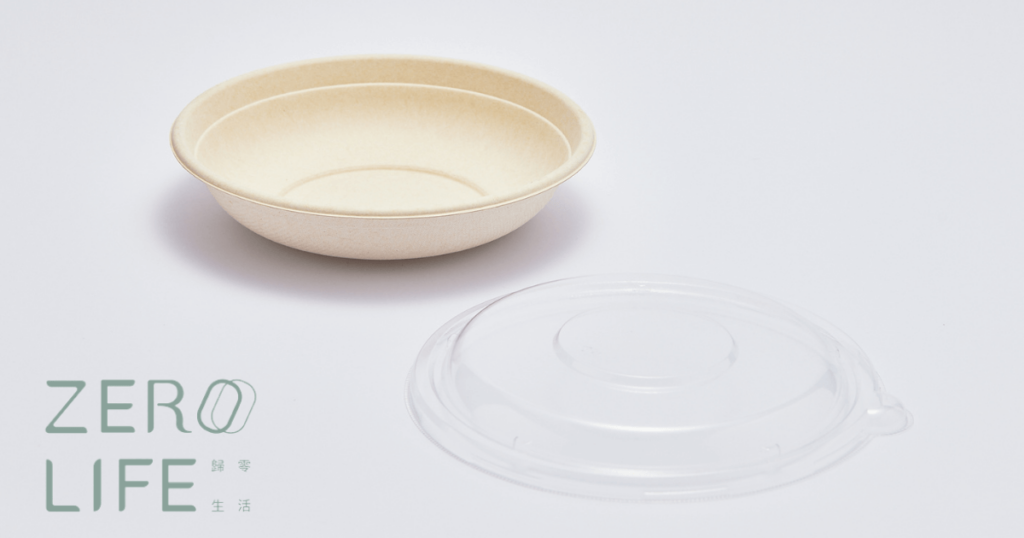
Welcome, eco-conscious friends! Our world is at a tipping point, and it’s clearer than ever that our everyday choices—no matter how small—directly impact the environment. One simple yet powerful change we can make is to rethink how we package food, products, and more. Enter pulp fibers in packaging: a sustainable, eco-friendly solution that’s quietly revolutionizing the industry while reducing our carbon footprints and curbing waste.
Plant-based packaging, especially pulp fiber meal boxes, offers a game-changing alternative to traditional plastic packaging. They’re sustainable, biodegradable, and versatile, earning top marks for both environmental responsibility and practicality. By choosing pulp fibers, we’re not only reducing single-use plastics but also contributing actively to a cleaner planet. Keep reading to learn all the ways this humble material fights waste, reduces greenhouse gas emissions, and optimizes packaging efficiency.
The Rise of Pulp Fiber Packaging: A Sustainable Revolution
As plastic pollution floods landfills and oceans, businesses and consumers are accepting their role in safeguarding the planet. This brings us to the introduction of pulp fibers—plant-based materials made from natural sources like bamboo, sugarcane bagasse, and wood pulp. Unlike plastic, which can take centuries to decompose, pulp fibers are biodegradable and compostable, ensuring minimal environmental harm.
What Makes Pulp Fibers So Eco-Friendly?
The beauty of pulp fiber packaging lies in its environmentally friendly lifecycle. Here’s why:
- Renewable Resources: Materials such as bamboo and sugarcane are rapidly renewable crops, making them sustainable alternatives to petroleum-based plastics.
- Biodegradability: Pulp fibers decompose naturally within weeks to months, breaking down into organic matter that enriches soil rather than polluting it.
- Reduced Energy Demand: Producing pulp fiber typically consumes less energy than manufacturing plastic.
- Lower Carbon Footprint: From production to disposal, pulp fiber emits fewer greenhouse gases compared to traditional packaging materials.
Multi-Industry Applications
The adaptability of pulp fiber packaging is impressive, spanning multiple industries. Here are some key uses:
- Takeaway Food Packaging: Meal boxes, coffee cup sleeves, and cutlery made from pulp fibers are lightweight, durable, and perfect for containing food.
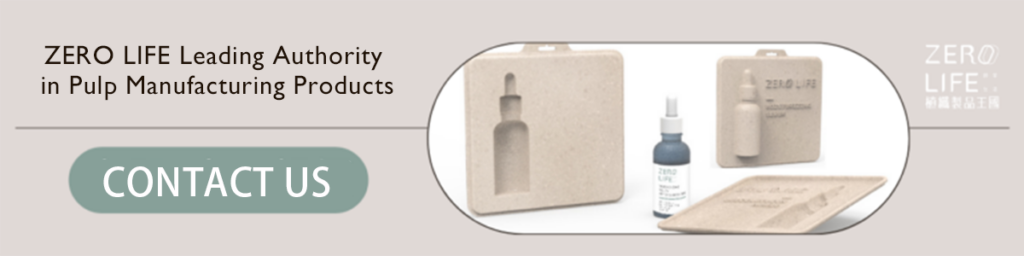
- Product Packaging: From electronics to beauty products, companies are designing pulp fiber inserts and boxes to secure items while reducing waste.
- Agricultural Uses: Seedling trays and plant pots made from pulp fiber support both growth and sustainability.
These applications prove that pulp fibers hold endless potential to replace plastic in our daily lives. But the question remains: what are the practical benefits for consumers and businesses?
How Pulp Fiber Meal Boxes Transform the Food Industry
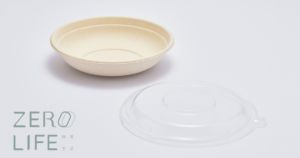
Let’s zero in on one life-changing product: pulp fiber meal boxes. These versatile, eco-friendly containers don’t just look futuristic—they represent a giant leap toward waste reduction, especially in the food service industry.
The Benefits of Pulp Fiber Meal Boxes
Here are the key advantages of choosing pulp fiber meal boxes over traditional plastic or Styrofoam counterparts:
- Completely Compostable: Pulp boxes can decompose in commercial composting facilities, leaving no toxic residue behind.
- Oil and Water Resistance: A thin, food-safe coating makes these boxes ideal for both dry and greasy foods.
- Lightweight and Durable: Despite their biodegradability, pulp boxes are sturdy and retain their shape during use.
- Customizable: Many manufacturers now offer a range of customizable designs to suit branding needs.
- Microwave Safe: Perfect for reheating food, making them a great option for home delivery services.
Practical Suggestions for Individuals
Switching to eco-friendly packaging starts with informed choices. Here’s how you can integrate pulp fiber meal boxes into your lifestyle:
- Opt for Green Takeout Options: Support restaurants and cafes that use biodegradable packaging.
- Encourage Bulk Purchases: Suggest pulp fiber packaging for seasonal or corporate event catering.
- Reuse or Repurpose: While biodegradable, many pulp boxes can be reused for a short time before disposal. For instance, they’re perfect for organizing small items in drawers or even starting plant seedlings!
- Compost Appropriately: Check local composting requirements to ensure the meal boxes break down efficiently.
Saving the Planet, One Box at a Time
The global shift toward sustainable packaging is proof that we’re moving in the right direction. By adopting pulp fiber technology, corporations and individuals alike are proving that eco-friendliness and functionality can go hand-in-hand.
Challenges Ahead
Of course, no solution is perfect. The cost of producing pulp fiber packaging is still slightly higher than plastic, and recycling infrastructure varies across regions. That said, global demand for eco-friendly alternatives is driving innovation and will likely reduce costs and improve availability over time.
Why Action Today Matters
I’ve personally shifted to using pulp fiber products wherever I can, and I’ve seen how even small changes add up to make a big difference. If we all make conscious packaging decisions, corporations will take note—and that’s when real change happens. Together, we can send a clear message: sustainability is not optional.
Embrace the Change
As someone living in a rapidly evolving world, I know firsthand how daunting it can be to seek sustainable alternatives for daily life. But let me assure you, the journey is worth it! Pulp fiber packaging is a tangible way to leave a healthier planet for future generations. From compost-friendly meal boxes to versatile product containers, this innovation doesn’t just reduce waste—it redefines how we coexist with our planet.
The choice is clear. Let’s embrace pulp fibers in our kitchens, businesses, and everywhere in between. Together, we’ll reduce carbon footprints and take a meaningful step toward a zero-waste future.