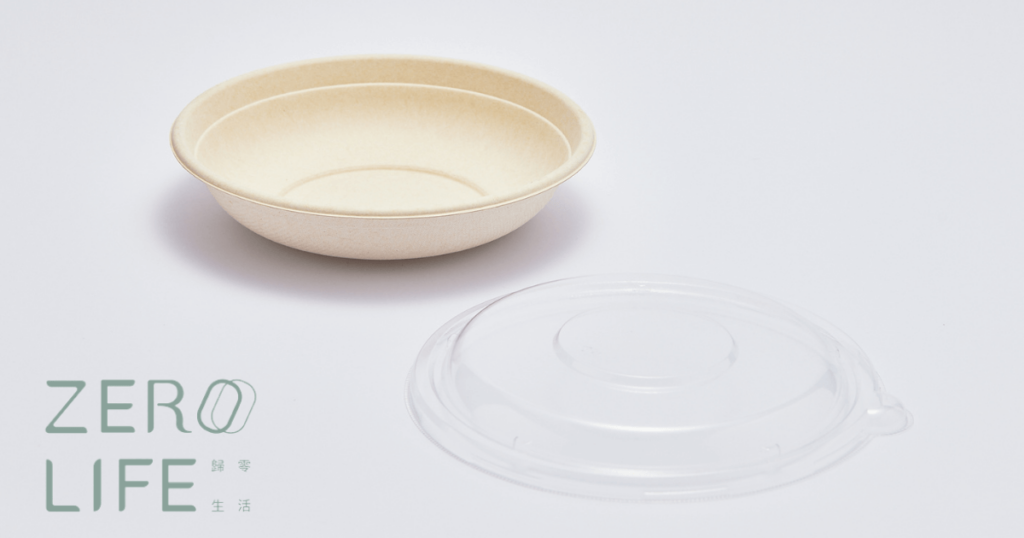
Everywhere I look, it’s clear the world is changing its approach to sustainability, and eco-friendly packaging is leading the charge. One of the most exciting innovations I’ve seen lately is moulded pulp packaging. Unlike traditional packaging materials like plastic, which harm the environment, moulded pulp packaging is biodegradable, sustainable, and surprisingly versatile. More and more brands are switching to this eco-friendly alternative, and I’m here to share why it’s such a game-changer for both businesses and the planet.
At its core, moulded pulp packaging represents a shift toward environmentally responsible practices. Derived from natural fibers like recycled paper or agricultural waste, this packaging aims to eliminate the harm caused by single-use plastics and reduce the carbon footprint of everyday products. As we collectively work toward greener solutions, the rise of moulded pulp packaging signals a hopeful step for industries and individuals alike who prioritize sustainability. From convenience to compostability, here’s what makes it revolutionary.
The Environmental Benefits of Moulded Pulp Packaging
One of the reasons I’m such a big advocate for moulded pulp packaging is its undeniable environmental advantages. As someone who’s passionate about reducing waste and living sustainably, I’ve found that this innovative packaging solution addresses many of the global concerns we face with traditional plastic and Styrofoam.
1. Biodegradability
Perhaps the biggest win for moulded pulp is its ability to break down naturally. Unlike plastics that take hundreds of years to decompose, moulded pulp fully biodegrades within a few months when composted under the right conditions. This minimizes the buildup of waste in landfills and lessens the harm done to ecosystems.
2. Made from Renewable Materials
Moulded pulp packaging is typically made from recycled paper, cardboard, or agricultural by-products. Since these materials are renewable and abundant, this sustainable packaging reduces the need for finite resources like petroleum, which is used to manufacture plastic packaging.
3. Energy Efficiency in Production
I’ve also come to appreciate how energy-efficient the production process of moulded pulp packaging can be. It generally consumes less energy compared to the manufacturing of plastic or Styrofoam materials. Plus, many facilities integrate sustainable energy sources and recycling processes to minimize their carbon footprint.
- Reduces greenhouse gas emissions caused by traditional packaging production.
- Often produced locally, reducing transportation-related emissions.
- Supports closed-loop recycling systems, amplifying its environmental impact.
Why Brands Are Embracing Moulded Pulp Packaging
From small startups to multinational companies, brands all over the world are making the switch to moulded pulp packaging. As someone who keeps an eye on sustainability trends, I think this shift isn’t just about environmental responsibility—it’s also about meeting consumer demands, saving costs, and future-proofing businesses.
1. Meeting Consumer Expectations
Today’s consumers, myself included, want to support companies that share our commitment to the environment. Surveys consistently show that people are willing to pay more for products with sustainable packaging. By adopting moulded pulp solutions, brands can align with these expectations and build trust with eco-conscious buyers. Additionally, this directly addresses the growing global concern about plastic waste and pollution in oceans, rivers, and communities.
2. Improved Brand Image
When I see a brand using eco-friendly packaging, it sends a clear message: this company cares about the planet. Moulded pulp doesn’t just help brands reduce their environmental impact—it also improves their brand image. Businesses that prioritize sustainability often see stronger customer loyalty and increased marketability, giving them a competitive edge over those stuck in outdated practices.
3. Versatility Across Industries
Another reason moulded pulp is gaining traction is its incredible versatility. From food industries to electronics packaging, I’ve noticed just how adaptable this material is. Some examples include:
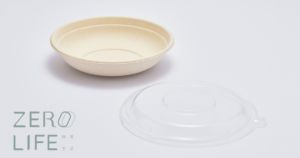
- Plant fiber meal boxes for restaurants, cafes, and takeout services.
- Custom-molded inserts for protecting fragile electronics.
- Biodegradable trays and containers for agricultural products.
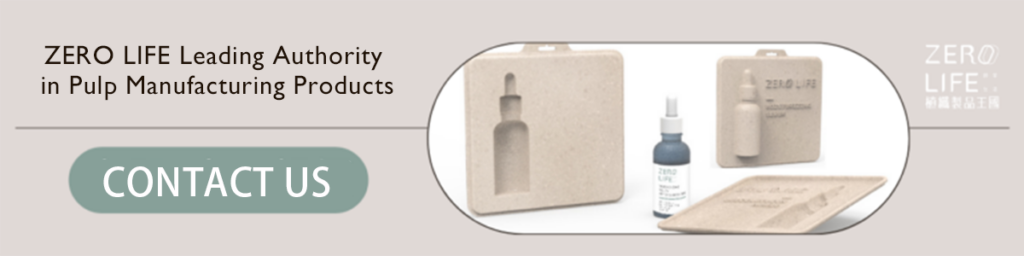
- Sustainable packaging solutions for beauty and personal care items.
This flexibility allows brands across various sectors to integrate moulded pulp into their operations effectively.
Practical Benefits of Switching to Moulded Pulp Packaging
Beyond its environmental perks, moulded pulp packaging offers practical benefits for brands and customers alike. I’ve personally experienced many of these advantages, which further reinforces why so many companies are making the change.
1. Cost-Effectiveness
Some people assume that sustainable packaging must be more expensive, but that’s not necessarily true. By using recycled materials and streamlining production processes, moulded pulp packaging can be a cost-effective option for many businesses. Plus, with growing demand and advancements in manufacturing technology, prices continue to decrease.
2. Customizability
I often see brands designing moulded pulp packaging to fit their exact needs. Whether it’s a takeaway box shaped perfectly for a meal or protective cushioning for a fragile item, the ability to create custom designs is a big plus. This ensures better product safety while improving customer experience.
3. Compostability and Reusability
One of the features I absolutely love is how plant fiber meal boxes and similar products can either be composted or reused before being discarded. When composted, moulded pulp adds nutrients back to the soil, completing its lifecycle in an eco-friendly way. Some products are even designed to be reused at least a few times, further extending their utility.
- Promotes a circular economy by reducing waste through composting and reusing.
- Helps households and businesses transition to zero-waste operations.
- Encourages consumers to embrace sustainable habits in daily life.
How You Can Support the Transition
If we want to see more brands adopt moulded pulp packaging, we have to act as informed consumers. Here are a few ways you and I can encourage more sustainable practices:
- Support brands that prioritize sustainable packaging options.
- Provide feedback and request eco-friendly packaging from companies you shop with.
- Spread awareness on social media about the benefits of moulded pulp packaging.
- Properly compost or recycle moulded pulp products to complete their lifecycle responsibly.
By taking these steps, we can collectively push the demand for sustainable solutions and inspire more companies to embrace change.
Final Thoughts on Moulded Pulp Packaging
As someone who actively looks for ways to live sustainably, I’m excited about the future of moulded pulp packaging and its potential to revolutionize the way we think about waste and consumption. Its environmental benefits, practical applications, and alignment with consumer values make it the ideal choice for businesses looking to make a positive impact. Whether it’s the plant fiber meal box I use for lunch or the eco-friendly inserts I see in a tech product’s packaging, moulded pulp continually reminds me that small changes can lead to significant progress.