—
Hello there! Have you ever looked at the amount of plastic waste you encounter daily and wondered if there’s a better way? With growing concerns about our planet’s health, it is now more important than ever to rethink our habits, especially when it comes to packaging. Today, I’m diving into a big debate: molded fiber pulp packaging vs. plastic. Which one lasts longer, and why should you care? Let’s uncover the facts so we can all make smarter, greener choices.
Sustainability is at the heart of modern living, and molded fiber pulp packaging offers a promising eco-friendly alternative to traditional plastic. Unlike single-use plastics, which can take hundreds of years to decompose, molded fiber is biodegradable, renewable, and better for the environment. As more people embrace sustainable solutions, plant-based packaging like molded fiber is becoming a practical and effective way to reduce waste and protect our planet for future generations.
What is Molded Fiber Pulp Packaging?
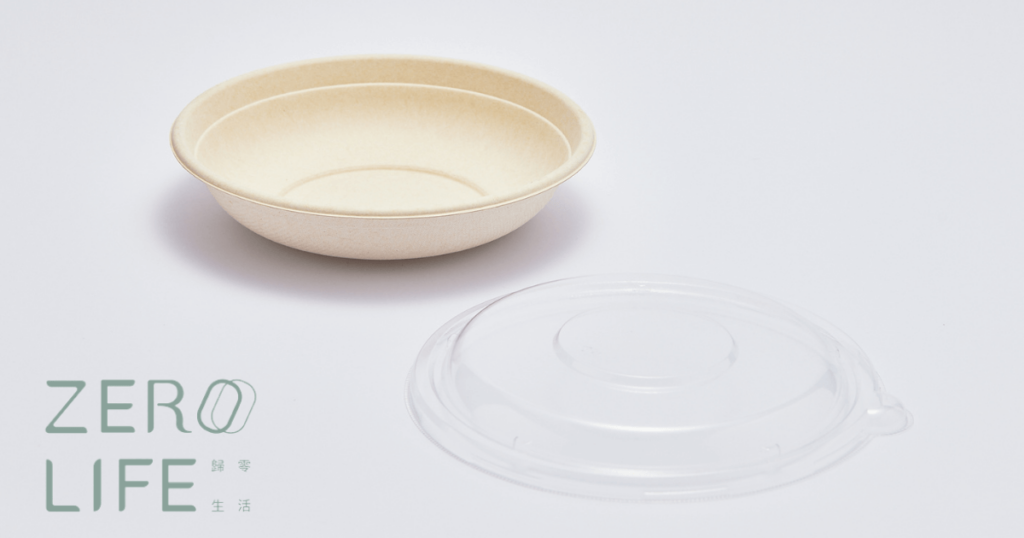
Molded fiber pulp packaging is made from renewable natural fibers such as wood, recycled paper, sugarcane bagasse, or other plant materials. It’s designed to offer a sturdy, eco-friendly option for packaging various products, ranging from food containers to industrial materials.
How It’s Made
The production process of molded fiber pulp packaging involves several steps:
- Collecting natural fibers or recycled materials.
- Pulping the materials into a slurry.
- Shaping the pulp into custom molds.
- Drying and finishing the product to enhance durability and functionality.
This process is energy-efficient and produces minimal waste. Because the materials are biodegradable, they naturally decompose after disposal without harming the environment.
Molded Fiber Pulp Packaging vs. Plastic: Key Differences
When it comes to packaging, both molded fiber pulp and plastic serve similar purposes: protecting products during storage and transport. However, the two could not be more different in environmental impact, longevity, and usability.
Environmental Impact
Here’s where molded fiber pulp packaging shines:
- It’s biodegradable, breaking down naturally in composting or landfill conditions within months.
- It requires less energy to produce compared to plastic, lowering the overall carbon footprint.
- Molded fiber uses renewable resources, unlike petroleum-based plastics, which deplete finite fossil fuels.
Plastic, on the other hand, has the following disadvantages:
- It can take up to 500 years to decompose in landfills, contributing to long-term pollution.
- Microplastics from degraded plastic products pollute our oceans and food chains.
- The production of plastic is highly energy-intensive and contributes significantly to greenhouse gas emissions.
Durability and Functionality
Molded fiber packaging is sturdy enough to handle a wide range of products. From takeaway food containers to protective packaging for fragile items, it’s designed to hold up under everyday conditions. However, unlike plastic, it is not waterproof unless treated with a coating, which can slightly reduce its compostability.
Plastic, while more durable and versatile in many situations, creates lasting environmental harm due to its inability to decompose. For items where biodegradability isn’t a concern, such as long-term storage, plastic can be practical (although alternatives should still be considered).
The Benefits of Molded Fiber Pulp Packaging
If you’re eager to live more sustainably, here are some key benefits of molded fiber pulp packaging to consider:
Reducing Plastic Waste
Every molded fiber container you use helps eliminate one more piece of plastic from clogging our landfills or polluting the ocean. This small step can contribute to massive change when adopted worldwide.
Supporting Renewable Resources
By using plant-based materials, fiber pulp packaging encourages the growth of renewable resources like bamboo and sugarcane, reducing our reliance on fossil fuels.
Healthier for Humans and Wildlife
Unlike many plastics, which often contain harmful chemicals, molded fiber is free from toxins that could leach into food or the environment. Plus, because it breaks down naturally, it doesn’t harm wildlife in the same way plastics do.
Easy Disposal
Molded fiber can be composted or responsibly discarded without needing specialized recycling processes. Many consumers find this simplicity a great incentive to switch.
Applications of Molded Fiber Pulp Packaging
From personal use to industrial applications, molded fiber can replace plastic in many areas:
Food Service
- Eco-friendly takeout boxes and plates.
- Drink carriers for coffee, smoothies, and other beverages.
- Compostable trays and clamshell containers for ready-made meals.
Consumer Goods
- Sustainable packaging for electronics like phones or laptops.
- Protective cushioning for delicate items during shipping.
- Custom packaging for cosmetics and personal care products.
Industrial Uses
- Molded pulp trays for automotive parts.
- Packaging components for industrial equipment.
Final Verdict: Which One Lasts Longer?
Plastic unquestionably outlasts molded fiber when it comes to durability. However, this longevity becomes its greatest flaw when considering the environmental impact. Because plastics take centuries to decompose, they harm ecosystems and accumulate in unsustainable amounts. Molded fiber, on the other hand, is designed to last until its job is done and then return to the earth.
When deciding which packaging option is better, the real question isn’t about which lasts longer—it’s about which works better for our planet’s long-term health. Molded fiber pulp packaging is winning hearts (and minds) for its ability to balance strength and sustainability.
How You Can Make a Difference
Switching to molded fiber packaging is easier than ever. Businesses, restaurants, and individuals around the world are embracing this eco-friendly alternative to plastic. Interested in making a change? Start with small steps:
- Choose compostable food containers for takeout meals.
- Encourage local cafes to replace plastic drink carriers with molded fiber alternatives.
- Support companies that prioritize sustainable packaging.
Together, these changes can make a lasting difference. Let’s do our part to leave the planet a little cleaner and greener for generations to come. The choice is in your hands—will you choose sustainably?
—