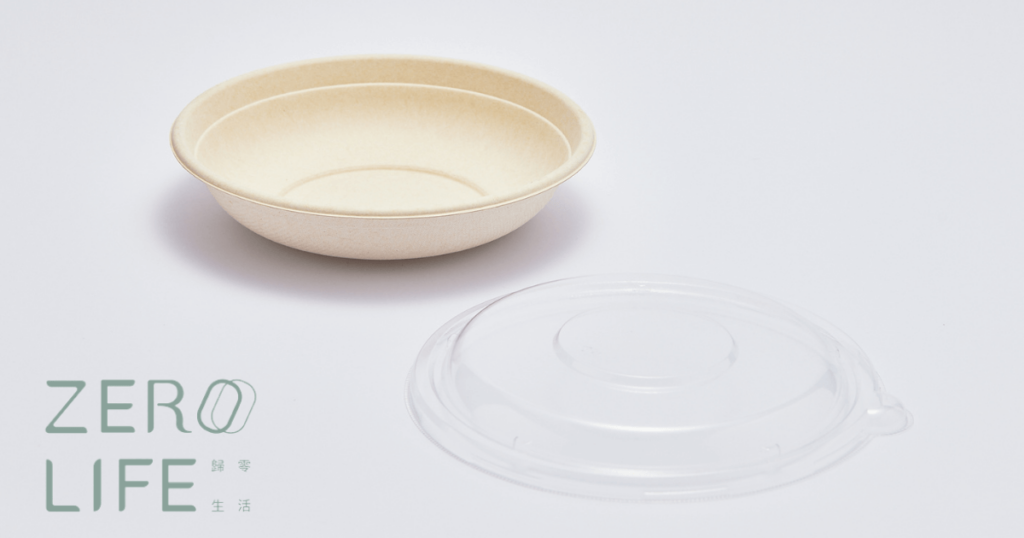
As consumers around the world wake up to the need for reducing waste and protecting the planet, many of us are exploring eco-friendly alternatives to conventional packaging. One solution that has been gaining momentum is pulp fiber packaging. From restaurants to takeout services and even personal use, pulp fiber meal boxes are proving that sustainable choices can be practical, versatile, and even stylish. Let’s dive into how this innovative material is driving positive change in the zero-waste movement.
Pulp fiber packaging represents a game-changing innovation for the global sustainability movement. Crafted from renewable resources like sugarcane bagasse, bamboo, and recycled paper, these biodegradable and compostable meal boxes offer a real alternative to traditional plastic or Styrofoam containers. By switching to pulp fiber packaging, businesses and individuals alike can reduce their environmental footprint, curb plastic waste, and support the circular economy. If you’re ready to take steps toward a greener lifestyle, this is a great place to start.
Pulp Fiber Packaging: A Sustainable Solution for Modern Living
When we think about sustainable living, one of the first things that comes to mind is reducing single-use plastic waste. Pulp fiber packaging, made from natural, renewable resources, solves many of the challenges associated with environmentally destructive materials. Unlike plastic containers that take hundreds of years to decompose, pulp fiber breaks down quickly under composting conditions, returning nutrients to the earth.
How Pulp Fiber Is Made
The magic of pulp fiber starts with the raw materials. Many pulp fiber products are crafted from byproducts like sugarcane bagasse, which is the fibrous material left after extracting juice from sugarcane. These fibers are transformed into sturdy, lightweight packaging through a combination of pulping, molding, and drying processes. Because the materials are plant-based and often repurposed from agricultural waste, this approach improves resource efficiency while minimizing environmental harm.
Benefits of Switching to Pulp Fiber Packaging
Choosing pulp fiber meal boxes over traditional alternatives offers a host of benefits:
- Eco-Friendly Disposal: Pulp fiber products decompose in a matter of weeks under industrial composting conditions, offering a fast-track solution to waste reduction.
- Renewable Resources: Materials like bagasse and bamboo regrow quickly, making them a sustainable choice for repeated use.
- Minimal Carbon Footprint: Compared to the production of plastics, pulp fiber manufacturing consumes less energy and relies heavily on renewable resources.
- Food Safety: Pulp fiber meal boxes are microwave-safe, chemical-free, and don’t leach harmful substances into food, making them a healthier alternative for consumers.
- Versatile Design: These containers are durable, resistant to oil and water, and suitable for both hot and cold food items.
Pulp Fiber Meal Boxes in Real-World Applications
The shift to pulp fiber packaging isn’t just about being eco-conscious—it’s also about practicality. Here’s how these innovative products are transforming industries and our daily lives:
Restaurants and Takeout Services
In the foodservice industry, sustainability is becoming a focal point. I’m seeing more restaurants swap out Styrofoam and plastic takeout containers for pulp fiber meal boxes. Not only do these containers align with their green branding, but they also appeal to eco-conscious diners. Imagine ordering your favorite dish to-go and knowing the packaging won’t sit in a landfill for centuries—it’s a win for both businesses and their customers!
Home Meals and Picnics
For those of us looking to minimize waste in everyday living, pulp fiber meal boxes offer an excellent solution for meal prepping, outdoor dining, or packing lunches for work or school. They’re sturdy enough for soups, sandwiches, and salads, and cleanup is simple since they’re compostable. Plus, they’re so lightweight and compact, which makes them perfect for picnics or other outdoor activities.
Corporate Settings
Many companies are embracing eco-friendly practices, including the use of pulp fiber packaging for employee meals, catered events, or branded giveaways. It’s a great way to demonstrate their commitment to sustainability while ensuring convenience for employees or event attendees. Some even customize their packaging with logos or designs, highlighting their efforts to stand out in a changing marketplace.
How You Can Make the Switch
Integrating pulp fiber meal boxes into your life or business model is easier than you might think. Here’s a step-by-step guide to help you get started:
- Research suppliers that specialize in sustainable packaging. Look for certifications like compostability (ASTM D6400 or EN 13432) to ensure the products meet environmental standards.
- Calculate your needs. Whether it’s for personal meal prepping or a restaurant service, determine the number and size of containers required to avoid over-ordering.
- Start small. If you’re transitioning a business, consider running a pilot program to gauge customer and staff feedback before making a full switch.
- Educate others. Spread awareness about your commitment to sustainability by sharing information about the benefits of pulp fiber packaging with your friends, family, or customers.
- Dispose responsibly. Remember, while pulp fiber is biodegradable, composting at home or in industrial facilities ensures it decomposes properly.
Why Pulp Fiber Is Key to the Zero-Waste Movement
The zero-waste movement is all about rethinking how we handle materials to ensure nothing goes unused or pollutes the planet. Pulp fiber fits right in, as it closes the loop in the product lifecycle. By choosing biodegradable, renewable options like pulp fiber containers, we’re reducing dependency on finite resources like petroleum-based plastics.
Empowering a Sustainable Future
Every time we choose a greener alternative, like pulp fiber packaging, we’re sending a powerful message to industries and governments: sustainability matters. Companies are responding by innovating new solutions, and policymakers are taking note. Together, we can create a world where zero waste is more than just a dream—it’s a reality we live every day.
Common Misconceptions
Some people worry that sustainable packaging is too expensive or less durable than its plastic counterparts. While the up-front cost of pulp fiber products might be slightly higher, consider the long-term environmental benefits and potential savings from transitioning to a zero-waste model. On durability, many pulp fiber meal boxes are designed to handle heat, moisture, and oil as effectively as traditional containers, if not better. It’s about debunking myths and making informed, eco-friendly choices.
Your Role in Driving Change
At the end of the day, it’s up to consumers like you and me to support the shift toward sustainable living. By opting for pulp fiber meal boxes and spreading awareness about their benefits, we can inspire others and cultivate demand for environmentally friendly products. Let’s take small steps, one choice at a time, toward a greener, more sustainable tomorrow.