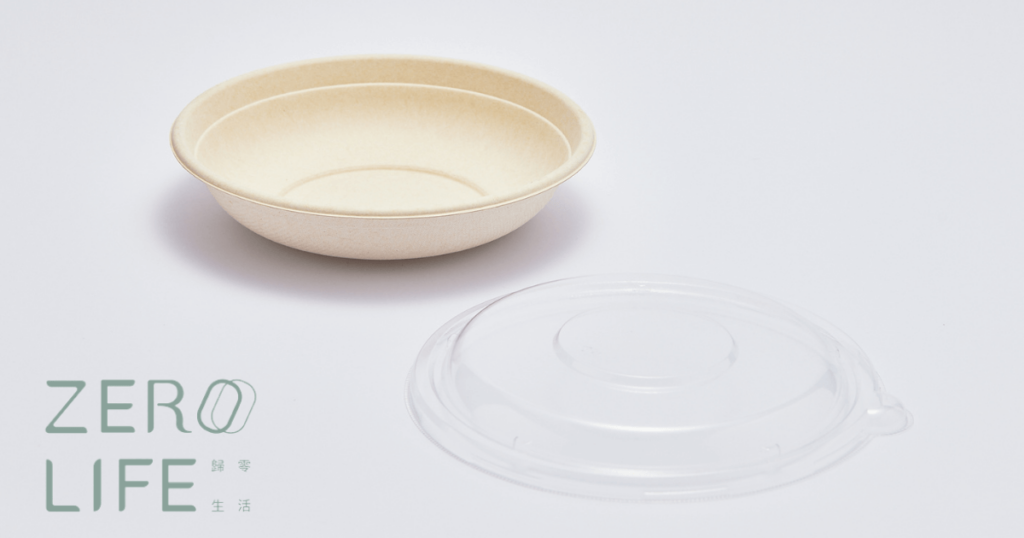
In a world that’s rapidly shifting toward sustainable living, creating paper box templates for packaging isn’t just a fun DIY project—it’s a small yet impactful step toward reducing waste. Custom packaging made from paper can help minimize reliance on single-use plastics, support eco-friendly practices, and allow us to personalize solutions for our everyday needs. Whether you’re a small business owner or an individual looking to make greener choices, learning to create a perfect paper box template is a key skill worth mastering.
Custom paper box templates serve both practical and sustainable purposes. They replace unsustainable materials like plastic with biodegradable options, showcasing the power of simple, eco-friendly solutions. By creating your own templates, you can tailor packaging to fit various needs—be it for gifts, food packaging, or small business products. Beyond their utility, these templates are a fun way to incorporate creativity and personal style into your eco-conscious lifestyle. Let’s dive into the steps, benefits, and actionable insights for crafting the perfect paper box template.
Why Choosing a Paper Box Template Matters
When it comes to reducing environmental impact, the materials we use daily make a huge difference. Plastic packaging accounts for an overwhelming percentage of global waste, often taking decades or even centuries to decompose. Here’s where custom paper box templates excel—they’re not only functional but also align with sustainability goals. Here are a few reasons why making the switch is worth it:
- Eco-Friendliness: Paper can decompose naturally within weeks, unlike plastic, which persists in landfills and oceans.
- Reusable and Customizable: Personalized paper box templates can be reused multiple times and crafted to fit unique dimensions and aesthetics.
- Cost-Effective: Using recycled or readily available paper reduces production costs, making it an economical choice for businesses and individuals alike.
- Creative Potential: Designing your packaging allows you to bring in artistic elements, adding a personal and professional touch.
By adopting paper box templates, each small packaging decision contributes to larger global efforts toward sustainability. Now, let’s look at how to create the ideal paper box template for your custom needs.
How to Create the Perfect Paper Box Template
Creating a paper box template is a rewarding process once you break it into manageable steps. Whether you need a simple box for wrapping gifts or a more elaborate structure for your personal or business needs, follow these basic steps to get started:
1. Gather the Essential Materials
To make your paper box, you’ll need basic supplies. Chances are, you already have most of these items at home:
- Heavy-weight paper (cardstock or recycled materials work best)
- Pencil and ruler
- Scissors or a craft knife
- Glue, double-sided tape, or eco-friendly adhesive
- Decorative items (optional, such as non-toxic paints or markers)
Using recycled paper or cardboard not only cuts costs but also boosts your project’s eco-friendliness. Repurpose any sturdy paper you have at home before buying new materials to keep your project zero-waste.
2. Create Your Box Design
Step one in creating the perfect paper box template is deciding its purpose and final shape. Here’s how you can approach the design process:
- Determine Dimensions: Decide the height, width, and depth of your box. For small gift boxes, start with dimensions like 4x4x4 inches.
- Sketch the Template: Using your ruler, sketch a flat box template onto your paper. Your design should include the main panels for each side of the box, along with tabs for folding and gluing.
- Focus on Precision: Use your ruler to ensure straight edges and accurate measurements. This will make folding much cleaner.
If you’re not confident in your drawing skills, you can download premade box templates online and customize them to fit your materials and needs.
3. Cut, Fold, and Assemble
Once you’ve finalized and drawn your template, it’s time to bring your box to life:
- Cut Carefully: Use scissors or a craft knife to cut out your template. Be precise to ensure all edges line up neatly during assembly.
- Pre-Fold Lines: Using the ruler as a guide, pre-fold along the drawn lines to create clean, crisp edges.
- Assemble the Box: Apply glue or eco-friendly adhesive to the tabs and press them into place for a strong hold. Allow it to dry fully before use.
You now have a functional, custom-designed paper box! From here, you can decorate or personalize it to fit the occasion or use it as-is for a minimalistic look.
Creative Applications for Paper Box Templates
One of the best aspects of making your own paper box templates is their versatility. Here are some practical applications for your eco-friendly creations:
- Gift Packaging: Replace store-bought wrapping paper with elegant, handcrafted paper boxes for birthdays, holidays, or special events.
- Small Business Use: Create custom packaging for handmade products, such as soaps, jewelry, or edible goods, to add a personal, professional touch.
- Food Containers: Use safe, food-grade paper to design meal boxes, snack containers, or other food packaging for sustainable storage.
- Storage Solutions: Craft paper boxes to organize small items at home—think office supplies, sewing kits, or even toys.
Pairing functionality with sustainable materials ensures your creations make a positive environmental impact in multiple areas of life.
Tips for Sustainable Packaging Success
To make the most out of your paper box template projects, keep these sustainability tips in mind:
- Opt for Recycled Materials: Use recycled paper or cardboard wherever possible to save resources and reduce waste.
- Avoid Excessive Tape or Glue: Choose biodegradable or paper-based adhesives to maintain the box’s compostability.
- Repurpose Paper Waste: Leftover scraps can be turned into decorative accents or used for smaller templates.
- Encourage Reuse: Design your packaging to be durable and versatile so it can be reused multiple times.
These small considerations can significantly enhance the environmental value of your packaging efforts while making them more functional and creative.
Conclusion
Crafting the perfect paper box template isn’t just about creating beautiful packaging. It’s a meaningful way to reduce waste, embrace creativity, and support a more sustainable future. By focusing on eco-friendly materials, reusable designs, and innovative applications, you can transform something as simple as paper packaging into a powerful statement of your commitment to the environment. So, grab some paper, let your imagination run wild, and start making a difference—one paper box at a time.