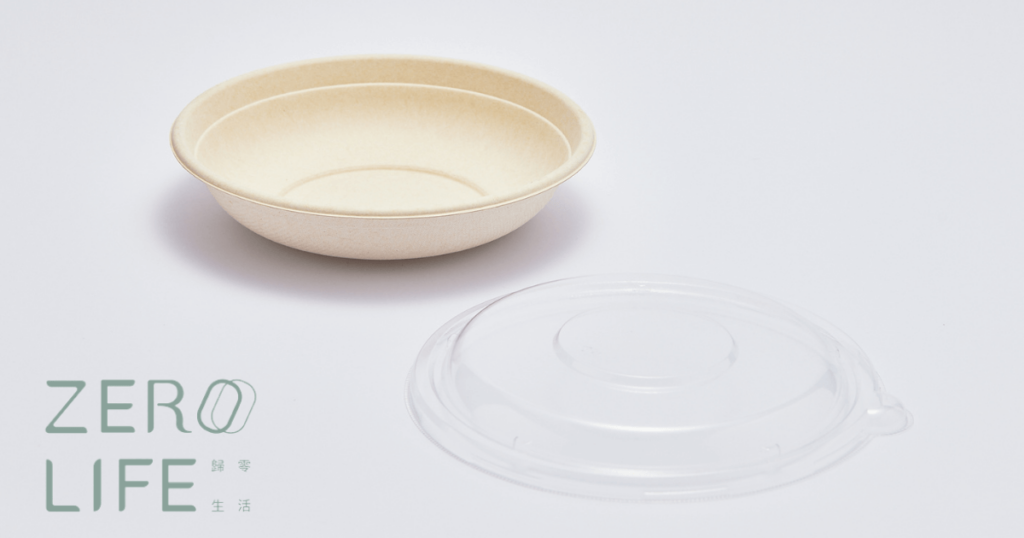
What we eat matters, but so does how it’s packaged. Over the years, I’ve realized just how significant our food packaging choices are in shaping the health of our planet. Single-use plastics and wasteful materials dominate the global food industry, and they’re contributing to pollution at an alarming rate. By switching to sustainable food packaging solutions, such as plant fiber meal boxes, we can make a lasting difference—reducing waste, supporting eco-friendly practices, and cutting down costs for businesses and individuals alike.
Plant fiber meal boxes are a game-changer in the world of sustainable food packaging. Made from renewable resources such as sugarcane bagasse, wheat straw, or bamboo, they offer a biodegradable, compostable, and practical alternative to plastic. Whether you’re an eco-conscious individual or a business owner looking to reduce costs, adopting plant fiber meal boxes can pave the way for a healthier planet while delivering efficient functionality. In this article, I’ll explore how these solutions benefit the environment, provide practical tips on adoption, and help you identify opportunities to save money.
Sustainable Food Packaging Solution: Why Choose Plant Fiber Meal Boxes?
Many of us grapple with the environmental impact of our choices, and it’s no different when it comes to food packaging. Choosing products like plant fiber meal boxes allows us to take a small but impactful step toward sustainability. Here’s why these eco-friendly containers stand out:
- Eco-friendliness: Plant fiber meal boxes are made from agricultural by-products like sugarcane, wheat, and bamboo. These materials decompose naturally, often within weeks in commercial composting conditions.
- Reducing single-use plastic: With the widespread impact of plastic pollution, eliminating disposable plastic containers can lead to a cleaner environment.
- Durability: Despite being made from biodegradable materials, plant fiber packaging is sturdy and leak-resistant, making it ideal for hot and cold food items alike.
- Renewable resource: Unlike petroleum-based plastics, plant fiber packaging uses agricultural waste that may have otherwise been discarded.
Environmental Benefits of Plant Fiber Meal Boxes
One of the biggest advantages of plant fiber meal boxes lies in their ability to cut down on waste. Traditional plastic containers often take hundreds of years to decompose, with many ending up in marine ecosystems or landfills. In contrast, plant fiber boxes can break down completely under the right composting conditions. This not only reduces waste but also enriches soil when composted.
Moreover, the production process for plant fiber meal boxes results in significantly lower carbon emissions compared to plastic. For businesses, this means achieving sustainability goals while simultaneously appealing to environmentally aware consumers. And for individuals, every purchase reduces your carbon footprint.
Sustainability Meets Affordability
You might think sustainable solutions come with a premium price tag. But here’s the good news: shifting to plant fiber meal boxes can actually save money in the long run. Let me explain how:
- Bulk ordering: Many suppliers offer discounts on bulk quantities of plant fiber containers, making it affordable for restaurants, caterers, and supermarkets.
- Eliminating plastic taxation: In many regions, governments impose taxes or fees on single-use plastic items. Switching to plant fiber alternatives helps businesses avoid these extra costs.
- Enhanced customer connection: Eco-conscious customers gravitate toward brands that align with their values, driving more sales and long-term loyalty.
- Improved brand image: Promoting your business as sustainable can often lead to partnerships, sponsorships, or even grants aimed at supporting green initiatives.
Sustainable Food Packaging Solution for Businesses: Tips for Transition
Adopting plant fiber meal boxes is easier than you might think. As someone who’s worked through these steps, here’s my advice:
1. Work with Reliable Suppliers
I cannot emphasize enough how important it is to partner with a credible supplier. Look for companies that offer certifications such as “Compostable,” “Biodegradable,” or “BPI Certified.” I also suggest reading up on customer reviews to confirm the quality and reliability of the packaging products before making a large purchase.
2. Train Your Staff
Incorporating sustainability into your organization doesn’t stop at buying eco-friendly containers; it involves educating your staff about their importance. Share insights about how plant fiber boxes reduce waste, and explain how composting works as part of the waste disposal process.
3. Use Packaging to Tell Your Story
Your packaging speaks volumes about your values. Many businesses print eco-friendly messages or logos on their plant fiber containers to showcase their commitment to the environment. Not only does this help spread awareness, but it also strengthens your brand identity.
Sustainable Food Packaging Solution for Individuals: Small Changes, Big Impact
As individuals, our purchasing habits matter. Switching to plant fiber meal boxes at home, for picnics, or takeaway orders can inspire those around us to make greener choices too. Here are some simple ways I’ve incorporated these solutions into my life:
- Reusable companion: Pair disposable plant fiber boxes with reusable utensils or cloth napkins to minimize waste further.
- Home composting: Compost your food packaging at home or drop it off at community composting sites nearby. Always check if your composting system can handle fiber products.
- Support businesses using fiber packaging: Prioritize restaurants or brands that choose environmentally friendly packaging options when ordering takeout or delivery.
Small Wins Lead to Big Results
Making small changes—like choosing biodegradable containers—helps create a ripple effect. Imagine the global impact if millions of people ditched plastics for plant fiber! For more inspiration, consider starting conversations with friends or family about the benefits of sustainable packaging, especially during shared meals or gatherings.
Conclusion: Join the Movement for Sustainable Food Packaging Solutions
Switching to sustainable food packaging solutions like plant fiber meal boxes isn’t just about cutting costs—it’s about investing in a cleaner, greener future for everyone. Whether you’re running a business or looking for personal ways to reduce waste, these eco-friendly alternatives offer a practical and impactful solution. Join me in making conscious choices today, and together, we can help pave the way toward a more sustainable and waste-free world. The benefits are clear, and the time to act is now!