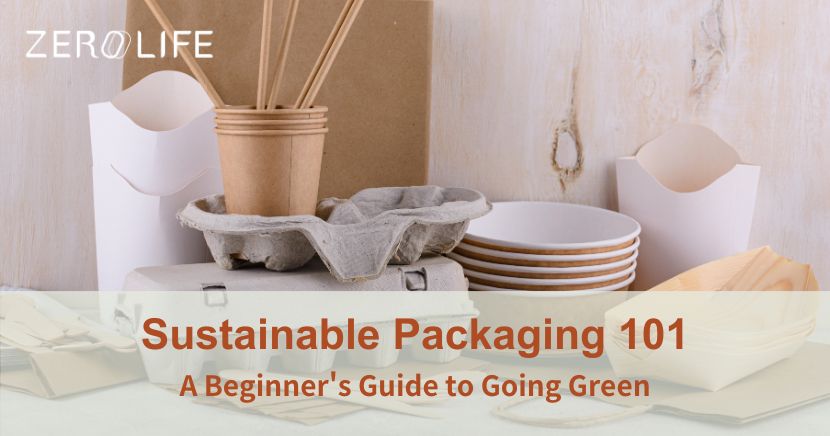
When I first started exploring ways to live a greener lifestyle, one of the simplest yet most impactful changes I discovered was sustainable packaging. Everywhere I looked, single-use plastics dominated the shelves, overflowing trash bins, and unfortunately, our natural environment. But switching to eco-friendly alternatives, like plant fiber meal boxes, opened my eyes to how small shifts in habits can collectively lead to big environmental benefits. Today, I’ll walk you through how sustainable packaging can make a real difference and how plant fiber meal boxes can be your first step toward a greener future.
In this guide to sustainable packaging, I’ll show you why eco-friendly alternatives like plant fiber meal boxes are rising in popularity. These innovative solutions reduce waste, lower carbon footprints, and offer biodegradable options for consumers and businesses worldwide. By understanding these choices, we can all make smarter, greener decisions in our daily lives while contributing to a healthier planet.
What Is Sustainable Packaging and Why Does It Matter?
Sustainable packaging refers to materials and designs that minimize environmental impact throughout their lifecycle. This means being mindful of the materials used in packaging, how they’re sourced, their durability, and their end-of-life disposal process. The primary goal is to reduce waste, conserve resources, and ensure products are as eco-friendly as possible.
So, why does sustainable packaging matter? Consider this: millions of tons of plastic waste pollute our oceans, air, and landfills every year. Many plastics take hundreds of years to degrade, and even then, they don’t completely disappear—they break down into harmful microplastics. When you opt for sustainable alternatives, you’re not just reducing waste—you’re also decreasing demand for fossil fuels, combatting pollution, and protecting ecosystems worldwide. It’s a small act with a massive ripple effect.
The Environmental Impact of Traditional Packaging
The traditional packaging we’ve relied on for decades—including plastic bags, foam containers, and multilayered plastics—comes with significant environmental consequences. Here are some of the key issues:
- Non-biodegradability: Plastics can take 500-1,000 years to decompose in landfills, leaching chemicals into the ground.
- Ocean pollution: An estimated 8 million tons of plastic enter the oceans annually, harming marine life.
- Greenhouse gas emissions: The production and disposal of plastic generate substantial carbon emissions, contributing to climate change.
This is where sustainable packaging options like plant fiber meal boxes come into play, offering solutions that are both innovative and environmentally conscious.
Plant Fiber Meal Boxes: A Green Packaging Revolution
Among the various sustainable packaging options available, plant fiber meal boxes stand out as a practical, eco-friendly alternative for people and businesses alike. These meal boxes are crafted from renewable plant-based materials, such as sugarcane (bagasse), wheat straw, or bamboo fibers. Unlike traditional packaging, they’re entirely biodegradable and compostable, which means they break down naturally without leaving toxic residue.
Benefits of Plant Fiber Meal Boxes
Plant fiber meal boxes offer numerous advantages that make them a game-changer in sustainable packaging:
- Biodegradable and Compostable: These boxes decompose within weeks in a composting environment, turning into nutrient-rich soil.
- Reduced Carbon Footprint: Made from agricultural waste products, they utilize materials that would otherwise go to waste.
- Durable and Versatile: Designed to be sturdy, oil-resistant, and microwavable, plant fiber meal boxes are perfect for food containers.
- Free of Toxic Chemicals: Unlike foam or plastic containers, plant fiber boxes are free of harmful additives like BPA.
- Globally Accessible: Widely available and scalable for businesses wanting to switch to greener operations.
By using plant fiber meal boxes, not only are you making a sustainable choice, but you’re also encouraging a circular economy, where products are reused and recycled rather than disposed of carelessly.
How to Adopt Sustainable Packaging in Everyday Life
Switching to sustainable packaging doesn’t have to be overwhelming. Whether you’re a conscious consumer or a business owner, here are some simple steps you can take:
1. Make the Switch for Your Meals
If you’re someone who frequently uses disposable takeout containers or meal prep boxes, replacing them with plant fiber meal boxes is a great place to start. You can find these boxes in eco-friendly stores or online, and they’re perfect for packing lunches or storing leftovers. Some companies even offer reusable versions!
2. Support Businesses with Green Practices
The next time you order food or shop, try to support restaurants and retailers that already use sustainable packaging. Many eco-conscious businesses are eager to promote their use of plant fiber or biodegradable containers. By choosing these businesses, you’re voting with your wallet to encourage more sustainable practices across industries.
3. Educate Others About the Benefits
One of the keys to widespread adoption of sustainable practices is awareness. Start small by sharing what you’ve learned about plant fiber meal boxes with your friends and family. Explain how these products benefit the environment and why even little changes (like swapping out takeout containers) can add up to significant positive impacts.
4. Reduce, Reuse, and Recycle
While making the switch to sustainable packaging, remember the three golden rules of sustainability:
- Reduce: Decrease your consumption of single-use packaging whenever possible.
- Reuse: Opt for items with longer lifespans or repurpose containers creatively.
- Recycle: Dispose of sustainable packaging appropriately, ideally through composting or recycling channels.
Looking Ahead: The Future of Sustainable Packaging
The shift toward sustainable packaging is no longer just an option—it’s essential for the future of our planet. Governments, corporations, and individuals around the world are already moving away from single-use plastics, and the trend continues to gain momentum. As technology advances, we can expect even more innovative, affordable, and accessible packaging solutions to emerge.
In the meantime, plant fiber meal boxes provide a tangible, impactful way for each of us to contribute to reducing plastic pollution. By embracing sustainable packaging, we’re collectively paving the way toward a world where convenience doesn’t come at the cost of the environment.
Final Thoughts
Sustainable living starts with simple choices—a reusable bag, a plant fiber meal box, or selecting a brand that aligns with eco-friendly values. While the road to sustainability might seem long, each step matters. By switching to greener solutions like plant fiber meal boxes, we’re making sustainable living not just a trend, but a lasting change.
Let’s continue finding smart, eco-friendly alternatives for a healthier planet. And remember, every meal packed in a plant fiber box or purchase made with sustainability in mind is a step forward. Together, we can transform how we package and consume, ensuring a cleaner, greener tomorrow.