
Hello, fellow sustainability enthusiasts! Have you ever wondered about the environmental cost of the packaging used for our meals, takeaways, and groceries? The growing concern over plastic pollution has made many of us rethink our choices regarding food packaging. One solution that offers hope for a greener future is eco-friendly packaging for food. Not only does it reduce waste, but it also serves as a stepping stone toward a more sustainable world. Let’s explore how switching to greener alternatives, like plant fiber meal boxes, can make all the difference.
Eco-friendly packaging for food is the innovative solution we’ve been waiting for, combining practicality with environmental responsibility. These biodegradable, plant-based packages reduce our reliance on single-use plastics, combat waste in landfills, and even improve the overall dining experience. With an increasing global focus on sustainability, this paradigm shift is gaining momentum. Are plant fiber meal boxes and their eco-friendly alternatives the future of sustainable dining? The answer is a resounding yes, and today, I’ll show you why.
The Rise of Eco-Friendly Packaging for Food
In a world grappling with the plastic crisis, the urgency to find sustainable alternatives to traditional packaging has never been higher. By 2050, it’s estimated that there could be more plastic than fish in the oceans if we don’t act now. With this shocking statistic staring us in the face, eco-friendly packaging for food comes as a much-needed alternative.
What Are Plant Fiber Meal Boxes?
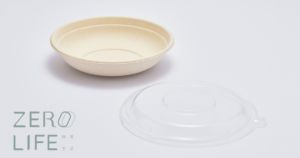
Plant fiber meal boxes are made from organic, natural materials like sugarcane, wheat straw, and bamboo pulp. Unlike traditional plastics, these materials are biodegradable and decompose naturally without releasing harmful toxins into the environment. These innovative containers have been designed to replace Styrofoam or single-use plastic boxes commonly used for takeaways and deliveries.
Benefits of Eco-Friendly Packaging for Food
Switching to eco-friendly packaging benefits not just the environment but also businesses and consumers alike. Let’s break down the key advantages:
1. Reducing Plastic Pollution
One of the primary reasons why eco-friendly packaging for food is the future is its ability to tackle plastic pollution. Traditional plastic waste takes hundreds of years to break down, leading to overflowing landfills and hazardous microplastics infiltrating ecosystems. Plant fiber meal boxes, on the other hand, biodegrade within months, significantly reducing environmental burden.
2. Better for Human Health
Did you know that harmful chemicals from plastic packaging can leach into your food, especially when exposed to heat? Eco-friendly food packaging eliminates this health concern by using non-toxic, organic materials. As someone who cares about health and wellbeing, I can’t imagine a better way to protect my meals.
3. Aligning with Consumer Demand
In today’s world, there’s a growing demand for sustainable options. People are more willing than ever to support businesses that practice environmental responsibility. Restaurants and food delivery services using biodegradable plant fiber packaging often gain an edge because they cater to environmentally conscious consumers like us.
4. Cost-Effective in the Long Run
While eco-friendly materials may initially seem costlier, their long-term benefits outweigh the expense. Governments and municipalities are increasingly imposing taxes and bans on single-use plastic items. Switching to eco-friendly packaging early can save businesses from hefty fines and reputational damage.
Practical Examples of Plant Fiber Meal Box Applications
Takeout and Delivery Services
Imagine ordering your favorite takeaway meal and having it delivered in a compostable, eco-friendly plant fiber box instead of plastic. Many forward-thinking businesses are already adopting this method, and as customers, we can encourage them by supporting their sustainability efforts.
Restaurants and Cafes
Restaurants around the globe have started adopting biodegradable packaging materials to cater to dine-in patrons and takeaway orders. It’s a small change that creates ripple effects in reducing waste across cities and communities.
Outdoor Events and Festivities
Plant fiber meal boxes are ideal for outdoor events where disposable packaging is a necessity. Whether it’s a food truck festival, a picnic, or a wedding, choosing biodegradable options keeps waste manageable and helps make gatherings more eco-friendly.
How You Can Support the Shift Toward Eco-Friendly Packaging
As individuals, we have the power to drive change. Here’s how you can contribute:
- Request sustainable options: When dining out or ordering delivery, ask restaurants if they use biodegradable packaging and encourage them to switch if they don’t.
- Choose businesses that prioritize sustainability: Support companies that utilize eco-friendly packaging by making mindful purchasing decisions.
- Spread awareness: Use social media to share knowledge about the benefits of eco-friendly packaging for food and how it positively impacts the environment.
- Compost at home: If your local facilities allow it, compost your plant fiber containers instead of disposing of them in the regular trash.
The Future of Sustainable Dining
The shift to eco-friendly food packaging isn’t just a fleeting trend—it’s a global movement that’s here to stay. Governments, businesses, and individuals alike are beginning to recognize the importance of sustainable dining. Policies banning harmful plastics are paving the way for biodegradable alternatives, and the culinary industry is embracing innovation to meet the demand for green solutions.
Plant fiber meal boxes are poised to become the industry standard, but for that to happen, we need to do our part. As eco-conscious consumers, we can lead by example, making small adjustments in our daily lives to encourage businesses to follow suit.
A Call to Action
Sustainable dining is within reach, and it starts with something as simple as food packaging. Every time you choose eco-friendly options, you help reduce waste, cut down pollution, and contribute to a healthier planet. The future of our environment depends on the decisions we make today. Let’s choose wisely.
What steps will you take to champion eco-friendly packaging for your food? Share your thoughts in the comments below—I’d love to hear your ideas and experiences as we work together towards a greener future.