“`html
Every decision we make as consumers has a ripple effect on the environment, and packaging is no exception. Choosing eco-friendly packaging materials is one way to reduce waste, curb pollution, and support a healthier planet. Let’s dive into what makes these materials stand out and how they contribute to a more sustainable future.
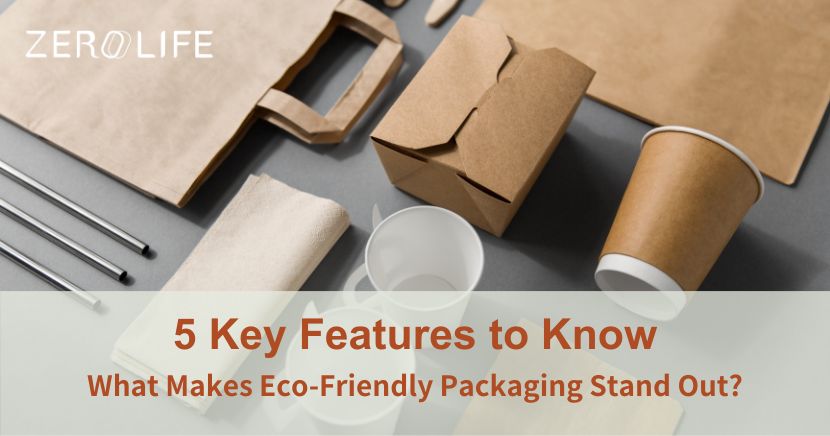
Eco-friendly packaging offers a practical solution to reduce the harmful environmental impacts associated with traditional packaging. Made from renewable or recycled resources, plant fiber meal boxes are a shining example. Not only are they biodegradable, but they are also sturdy, food-safe, and versatile—making them a top choice for eco-conscious individuals. Let me walk you through the key features that make eco-friendly packaging materials the best choice for sustainable living.
What Defines an Eco-Friendly Packaging Material?
Before choosing eco-friendly packaging materials, it’s important to understand what makes them truly sustainable. These materials are designed to minimize environmental impact through the use of renewable resources, biodegradability, and low-energy production methods.
1. Biodegradability
One of the standout features of eco-friendly packaging materials is their ability to decompose naturally. Unlike plastic, which can take hundreds of years to break down, packaging made from plants, such as sugarcane bagasse or wheat straw, easily returns to the earth without leaving harmful residues. This ensures that your environmentally conscious decision doesn’t contribute to overflowing landfills or microplastic pollution in ecosystems.
2. Use of Renewable Resources
Eco-friendly packaging is often produced from renewable resources like bamboo, palm leaves, and plant fibers. These renewable resources grow quickly, use minimal water, and can be harvested sustainably. For instance, plant fiber meal boxes are typically made from agricultural waste, such as sugarcane pulp, which gives a second life to byproducts that would otherwise go unused. How amazing is that?
3. Non-Toxic and Safe
The materials used in sustainable packaging are free from harmful chemicals found in conventional plastic packaging. Plant fiber meal boxes, for example, are often toxin-free, ensuring your food remains safe and untainted. This makes them a healthy packaging choice not just for you but for the environment as well.
4. Energy-Efficient Production
Eco-friendly materials are typically produced using significantly less energy compared to traditional plastic packaging. Many plant-based packaging manufacturers prioritize sustainable energy sources during production, reducing greenhouse gas emissions and energy waste.
5. Recyclability and Compostability
One of the final and most critical features that define eco-friendly packaging materials is their ability to be recycled or composted. Plant fiber-based materials are not only biodegradable but also compostable, making them the perfect choice for environmentally conscious households. Toss the packaging in a home composting bin, and within weeks, it will begin to break down into nutrient-rich soil.
Top Benefits of Using Eco-Friendly Packaging Materials
1. A Solution to Plastic Waste
It’s no secret that plastic is one of the greatest threats to our environment. By swapping plastic with eco-friendly alternatives like plant fiber meal boxes, you actively help decrease the demand for single-use plastics. This directly reduces pollution and promotes a cleaner planet.
2. Versatility and Durability
Eco-friendly materials like sugarcane and bamboo are not just biodegradable but also sturdy. Plant fiber meal boxes maintain their integrity even when carrying hot, wet, or heavy food items. They’re reliable and don’t sacrifice functionality for sustainability—a win for both you and Mother Earth!
3. Supporting Local and Ethical Practices
Many producers of eco-friendly packaging work with local communities and prioritize ethical production practices. For example, some packaging made from palm leaves is handcrafted by artisans in rural areas, offering them fair wages and a sustainable livelihood. Choosing these products not only helps the environment but also uplifts communities worldwide.
4. A Statement for Sustainability
Using eco-friendly packaging sends a clear message about your commitment to protecting the environment. Whether you’re an individual making personal choices or a business looking to attract like-minded customers, choosing sustainable materials communicates a shared dedication to a greener future.
How to Identify the Best Eco-Friendly Packaging Material
The market is flooded with products claiming to be “green,” but not all are created equal. Here are some tips to help you choose truly eco-friendly options:
- Check for Certifications: Look for credentials like FSC (Forest Stewardship Council) certifications, compostability labels, or certifications from recognized eco-organizations.
- Read Labels Carefully: If the product claims to be biodegradable, ensure it specifies how long it takes to break down and in what conditions.
- Prioritize Local Products: Buying regionally produced packaging reduces shipping-related carbon emissions while supporting local businesses.
Practical Applications of Eco-Friendly Packaging
Plant Fiber Meal Boxes for Daily Use
Whether you’re packing lunch for work, storing leftovers, or hosting a picnic, plant fiber meal boxes are a practical solution. They are leakproof, heat-resistant, and microwave-safe, offering unparalleled convenience. Plus, knowing that you’re making a sustainable choice is always a great feeling.
Corporate Switch to Green Packaging
Businesses can benefit immensely by adopting eco-friendly packaging. Beyond lowering their carbon footprint, they also appeal to a rising base of eco-conscious customers. Restaurants, for example, are starting to replace Styrofoam takeout containers with biodegradable alternatives, enhancing their brand image while doing their part for the environment.
Composting at Home
If you’re an avid gardener or simply looking to embrace zero-waste living, composting your plant fiber meal boxes couldn’t be simpler. Add them to your compost pile, and they’ll transform into nutrient-rich soil, giving back to the earth in ways plastic packaging never could.
Conclusion: Choose Wisely, Live Sustainably
Eco-friendly packaging materials are more than just a trend—they’re a proactive step towards a healthier planet. By choosing biodegradable, renewable, and toxin-free options such as plant fiber meal boxes, we take a small but significant step toward reducing waste and protecting our environment. The next time you’re faced with a packaging choice, remember the positive impact you can make by going green. Together, our conscious efforts can shape a more sustainable future for generations to come.
“`