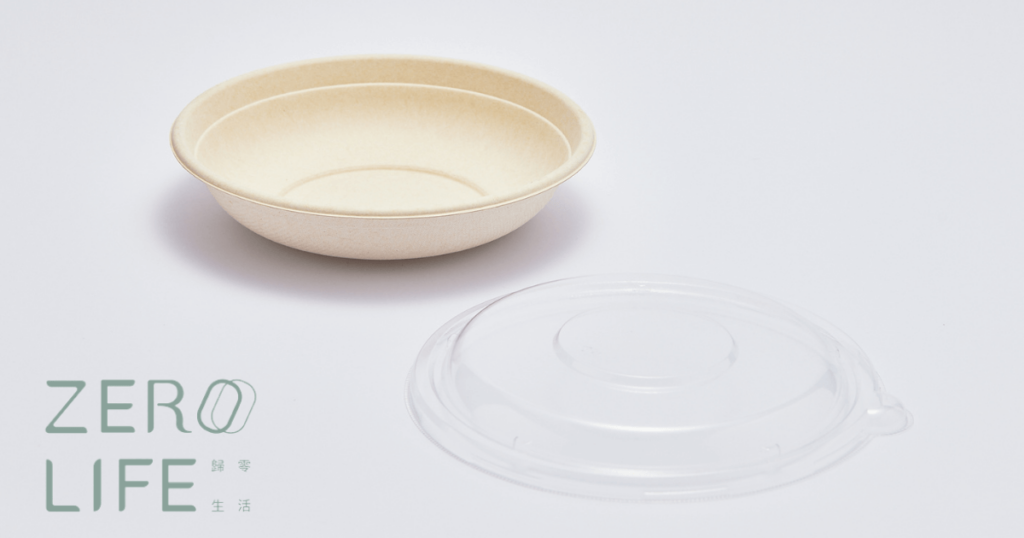
The way we package our products says a lot about our priorities as people and as businesses. Across the globe, there’s a growing consciousness to reduce waste, cut back on harmful plastics, and embrace eco-friendly alternatives. And why not? Eco-friendly packaging is paving the way for a more sustainable future, helping reduce our environmental footprint one small change at a time. Today, I’ll share why plant fiber meal boxes and other biodegradable options are making waves and how they’re helping both brands and consumers make greener choices.
Eco-friendly packaging is no longer just a niche concept but a necessity in today’s world. With the increased awareness of climate change and pollution, businesses that prioritize sustainable practices are gaining respect and loyalty from their customers. By switching to options like plant fiber meal boxes, companies not only reduce waste but also show genuine commitment to preserving the environment. Let’s explore the top reasons so many brands are making this crucial shift.
1. Eco-Friendly Packaging Reduces Environmental Impact
First and foremost, eco-friendly packaging significantly lowers the burden on our planet. Unlike traditional plastic packaging, which takes hundreds of years to break down and often ends up polluting oceans and ecosystems, biodegradable options like plant fiber meal boxes decompose naturally within months.
Take a look at the benefits:
- Minimizes plastic waste, which is a major contributor to land and ocean pollution.
- Reduces emissions related to manufacturing non-recyclable materials.
- Promotes composting and circular waste systems that enhance soil health.
For instance, packaging made from sugarcane or bagasse (a byproduct of sugarcane processing) offers a sustainable alternative that matches the functionality of plastic but leaves no permanent damage on the planet. Opting for eco-friendly materials helps businesses actively contribute to global efforts in reducing pollution and promoting a cleaner environment.
2. Consumer Demand Is Driving Change
As someone passionate about sustainability, I’ve noticed people are actively seeking greener products. Today’s consumers are more informed and interested in brands that share their eco-conscious values. Whether they’re avoiding plastic or supporting companies with sustainable missions, eco-conscious shoppers are voting with their wallets.
Why does this matter for brands?
- Consumers are more likely to stay loyal to companies demonstrating social and environmental responsibility.
- Eco-friendly packaging provides a competitive edge, especially in markets where sustainability is a core value.
- It creates opportunities for marketing and positive brand storytelling by showcasing sustainable practices.
Plant fiber meal boxes are an excellent example. Designed with natural materials like bamboo or wheat straw, they suit growing consumer preferences for items that are organic, compostable, and non-toxic.
3. Cost Efficiency Over Time
There’s a myth that eco-friendly packaging is too expensive. While initial costs might be higher than conventional options, the savings add up in the long run. Many plant-based alternatives are made from agricultural byproducts, which are abundant and cost-effective to source.
Here’s how brands benefit financially:
- Reduced raw material costs due to less reliance on petroleum-based plastics.
- Less waste management expense since biodegradable items can be composted instead of disposed of in landfills.
- Increased customer retention and sales from eco-conscious buyers willing to pay a premium for sustainable products.
If brands approach sustainable packaging as an investment rather than an expense, they’ll be rewarded with long-term benefits, including reduced operational costs and a stronger brand image.
4. Better Functionality and Innovation
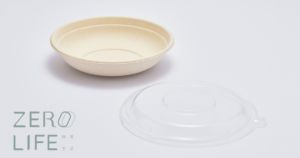
One of the most exciting developments with eco-friendly packaging is how versatile and functional these solutions have become. For example, a plant fiber meal box isn’t just biodegradable—it’s sturdy, heat-resistant, and capable of holding liquids. From takeout meals to frozen foods, these packaging innovations cater to a wide range of needs.
Why choose something like plant fiber meal boxes?
- They’re lightweight yet durable, making them practical for both customers and the supply chain.
- They preserve food quality and freshness effectively.
- They’re microwave and freezer safe, offering added convenience for users.
As companies continue innovating, we’re sure to see even more creative solutions that meet functionality requirements while reducing environmental harm. Businesses that adopt these modern options demonstrate that sustainability doesn’t mean compromising performance.
5. Aligning with Global Sustainability Goals
More businesses are aligning themselves with major global sustainability goals, such as the United Nations Sustainable Development Goals (SDGs). Goal 12, for example, focuses on responsible consumption and production, which includes reducing packaging waste.
Transitioning to eco-friendly packaging is a tangible way for brands to contribute to the global effort. Here’s how it helps:
- Supports waste minimization and recycling targets.
- Encourages resource efficiency and cleaner production methods.
- Increases awareness about sustainability among consumers and stakeholders.
When we look at the bigger picture, using alternatives like plant fiber meal boxes isn’t just a trend but a critical step in tackling climate and waste challenges on an international scale.
How to Make the Switch
If you’re a business owner or even an individual looking to incorporate eco-friendly packaging into your everyday practices, here are a few steps to consider:
- Research suppliers offering sustainable options, such as plant fiber containers, compostable wraps, or recycled packaging materials.
- Run a trial using the eco-friendly options in small batches to gauge customer feedback.
- Clearly communicate your shift to sustainable packaging to build trust and educate your audience on its importance.
- Partner with organizations or initiatives promoting waste reduction to amplify your impact.
- Continuously refine and align your packaging choices with evolving industry standards and customer preferences.
Conclusion: A Small Change with a Big Impact
Switching to eco-friendly packaging, such as plant fiber meal boxes, is a choice that benefits everyone—from businesses seeking a sustainable edge to consumers committed to greener living. The potential to protect our environment while meeting consumer demand and lowering long-term costs makes this a win-win for all involved.
By embracing this shift, brands demonstrate responsibility and resilience, ensuring they stay ahead in an increasingly eco-conscious world. So, whether you’re running a business or just making individual choices, remember—every small change counts when it comes to protecting our planet.