Welcome to my blog! As someone passionate about sustainable living, I can’t help but notice the rising popularity of eco-friendly solutions in the restaurant and takeaway industry. Over the years, single-use plastics have cluttered our landfills and oceans, but restaurants and food businesses worldwide are now embracing a greener future. Sustainable food packaging boxes are leading the change, offering practical, environmentally friendly choices for businesses striving to reduce waste while maintaining high standards for their customers.
Restaurants and takeaway businesses are now prioritizing eco-conscious packaging to align with global sustainability trends. Among all available options, plant fiber meal boxes stand out as a revolutionary solution. These biodegradable and compostable alternatives reduce the dependence on harmful plastics, protect the environment, and offer the same convenience of traditional containers. In this article, I’ll guide you through the 10 best food packaging boxes, their benefits, and why your business should adopt these game-changing solutions for a greener tomorrow.
The Importance of Choosing Eco-Friendly Food Packaging Boxes
When it comes to serving food on the go, packaging plays a central role in maintaining freshness, ensuring customer satisfaction, and reflecting a business’s values. However, conventional packaging materials like plastic and foam contribute significantly to pollution. That’s where eco-friendly food packaging boxes make a difference.
Why Eco-Friendly Packaging is a Game Changer
Switching to sustainable materials like plant fiber, recycled paper, and biodegradable plastics offers several advantages, such as:
- Reducing plastic waste clogging our landfills and oceans.
- Decreasing the restaurant’s carbon footprint.
- Enhancing your brand’s reputation among environmentally conscious customers.
- Meeting common sustainability regulations that many regions now mandate.
With eco-packaging options advancing in quality and style, making this transition doesn’t just benefit the planet but also serves your business goals. Let’s take a closer look at why plant fiber boxes are taking the spotlight.
What Are Plant Fiber Meal Boxes?
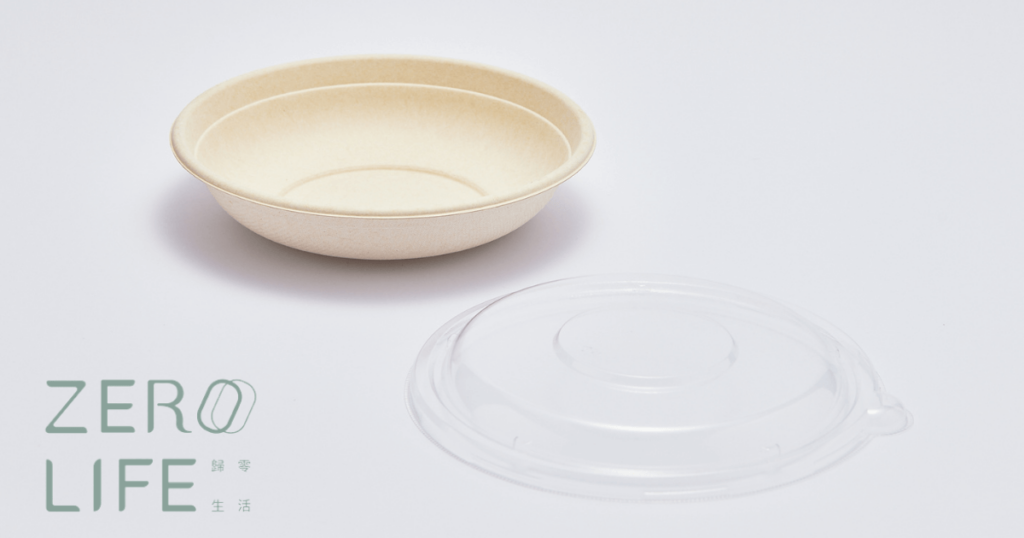
Plant fiber meal boxes are made from natural materials such as sugarcane bagasse, bamboo pulp, or wheat straw. These agricultural by-products, once discarded as waste, are now being transformed into durable, compostable, and biodegradable packaging solutions. Unlike conventional options, these boxes decompose quickly in nature, leaving little to no harmful residue. Their rising popularity reflects a global demand for sustainable, functional alternatives to plastic food containers.
Advantages of Plant Fiber Food Packaging Boxes
Using plant fiber meal boxes for carrying and storing food has many practical advantages:
- Eco-Friendly: These boxes are compostable and biodegradable, contributing less waste to landfills and oceans.
- Sturdy and Leak-Proof: Despite being made from plant-based fibers, they are designed to hold liquids and heavy meals without breaking apart.
- Free of Harmful Chemicals: They do not contain toxins like traditional foam or plastic packaging.
- Customizable: Businesses can get these boxes branded with logos, ensuring a professional, eco-conscious image.
With these advantages in mind, let’s take a look at the best eco-friendly food packaging boxes available for restaurants and takeaway businesses worldwide.
The 10 Best Food Packaging Boxes for Restaurants and Takeaway Businesses
Below, I’ve compiled a list of the top plant fiber and biodegradable packaging options available today. These boxes are ideal for businesses embracing sustainability while ensuring durability, functionality, and modern design.
- Sugarcane Bagasse Meal Boxes: Made from fibrous sugarcane residue, these boxes are lightweight, durable, and compostable. They’re perfect for hot or cold meals and offer excellent grease resistance.
- Bamboo Pulp Containers: Bamboo pulp packaging is biodegradable, sturdy, and has a natural resistance to liquids, making it ideal for both wet and dry foods.
- Wheat Straw Boxes: These are crafted from agricultural by-products and degrade within weeks when composted. They are also microwave-safe, catering to modern convenience.
- Recycled Kraft Paper Boxes: For businesses that want a more rustic aesthetic, Kraft paper boxes are recyclable, lightweight, and incredibly cost-effective.
- PLA-Coated Compostable Boxes: These plant-based containers are lined with a biodegradable polymer (PLA), making them both sturdy and eco-friendly.
- Clamshell Boxes from Cornstarch: Cornstarch-based clamshells mimic the durability of plastic but break down naturally, making them an excellent alternative to styrofoam packaging.
- Leaf-Based Packaging: Made from natural leaves, these packaging solutions are biodegradable and add a unique flair your customers will love.
- Hybrid Compostable Bowls: These bowls combine plant fiber bases with thin cardboard exteriors, offering dual-layer protection for meals.
- Transparent PLA Takeout Lids: Perfect for showcasing food while keeping it secure, these lids are ideal for salads or desserts.
- Edible Packaging Innovations: Some companies are producing packaging that doubles as food! While this is still niche, it’s an exciting development in sustainable dining.
How to Choose the Right Food Packaging Box for Your Restaurant
No two food businesses are the same, so it’s essential to pick food packaging boxes that suit your specific needs. Here’s how I recommend choosing the perfect option for your restaurant or takeaway:
Assess Your Menu
Different containers work better for different foods. For instance:
- Opt for sugarcane or bamboo clamshells for burgers, sandwiches, and soups.
- Transparent boxes are perfect for salads or cold dishes.
- Kraft paper boxes may suit dry, non-greasy food better.
Consider Your Budget
While eco-friendly packaging might cost slightly more upfront, its impact on your business’s reputation and the planet makes it a worthwhile investment. Many wholesale providers offer competitive pricing for bulk orders.
Verify Certifications
Ensure the tools you’re using are certified compostable or biodegradable. Look for certifications like ASTM standards or OK Compost labeling to verify validity.
Prioritize Customer Experience
Choose designs that are easy for customers to use and dispose of. Leak-proofing, secure closures, and heat retention will elevate the customer experience while maintaining sustainability.
Conclusion
Switching to sustainable food packaging boxes acknowledges the pressing need to save our planet while keeping food businesses competitive and modern. Plant fiber meal boxes showcase how we can balance convenience and functionality with eco-consciousness. As consumers increasingly favor green businesses, embracing solutions like the ones mentioned above isn’t just ethical—it’s smart.
I encourage every restaurant owner and takeaway operator to explore these options today. Making sustainable swaps is more achievable than ever, and the positive environmental impact goes beyond measure. For customers and businesses alike, this is the future of food. Let’s be part of the change!