We all know the devastating impact that single-use plastics and non-recyclable materials have on our planet. As someone deeply passionate about sustainable living, I’ve been following new innovations in food packaging with great interest. The environmental movement is gaining momentum, and conversations about reducing waste are more important than ever before. If we’re going to significantly reduce our environmental footprint, rethinking how we package our meals is a critical step. So, what’s next for food packaging? Let’s dive into it.
Fast-forward to 2025, and food packaging innovations will center on eco-friendliness and functionality. From biodegradable plant fiber meal boxes to edible wrappers, the industry is making leaps toward reducing waste and lowering carbon emissions. Sustainable food packaging not only helps the environment but also caters to a growing demand for ethical consumerism. Let’s explore the trends shaping the future and how these shifts are paving the way for a greener planet.
The Rise of Plant Fiber Meal Boxes
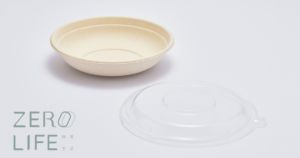
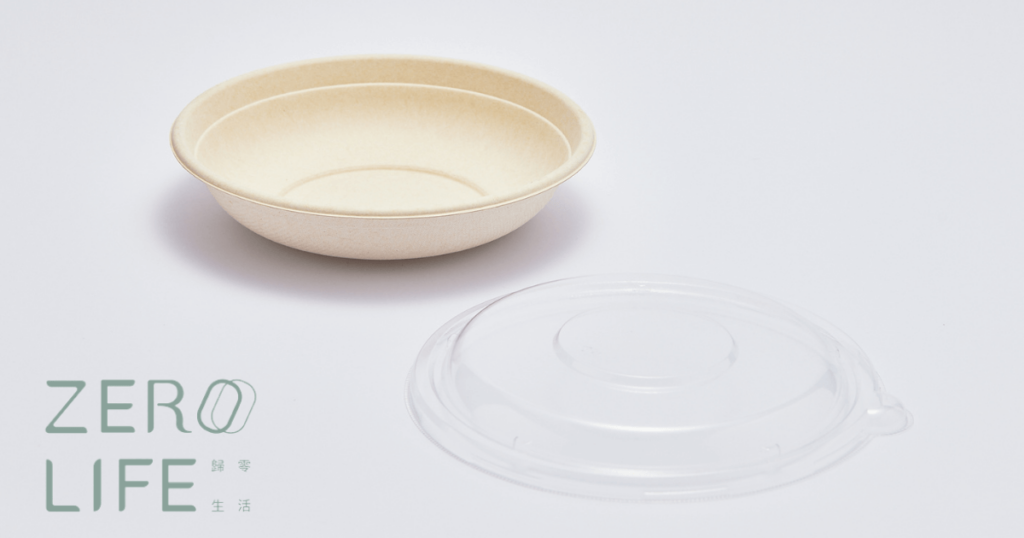
One of the most exciting trends in food packaging is the shift toward plant fiber meal boxes. Crafted from renewable agricultural by-products like sugarcane bagasse and bamboo pulp, these boxes are paving the way for a future free of Styrofoam and plastic waste. I recently switched to using plant fiber containers for my own meal preps and takeout, and it’s remarkable how convenient, durable, and eco-friendly they are.
Why Choose Plant Fiber Packaging?
Plant fiber meal boxes offer a range of key benefits:
- Sustainability: These containers are made from renewable resources, reducing our reliance on petroleum-based plastics.
- Biodegradability: Unlike traditional plastics, plant fiber boxes break down naturally within a few weeks under the right composting conditions.
- Non-Toxic Materials: Because they’re chemical-free, they’re safe for both food storage and the environment after disposal.
- Convenience: Many plant fiber containers are oven-safe and microwaveable, making them perfect for reheating meals.
Where to Find Them
If you’re ready to give plant fiber meal boxes a try, you’ll be glad to know they’re becoming increasingly available. Here’s how you can source them:
- Look for them at stores specializing in sustainable products, both online and offline.
- Many restaurants and meal delivery services are switching to sustainable packaging—just ask your favorite spot about their options.
- Check with local compostable product suppliers who often carry plant fiber alternatives for businesses and consumers.
Other Food Packaging Trends to Watch in 2025
While plant fiber boxes are already making waves, they’re just one piece of the puzzle. Here are some other innovations shaping the future of food packaging:
1. Edible Packaging
Imagine eating your food wrapper instead of throwing it away. Edible packaging, made from materials like algae, rice, and even potatoes, is on the rise. This concept eliminates waste entirely while enhancing the eating experience. For instance, I tried an edible ice cream cone wrapper last year, and it was not only delicious but also zero-waste!
2. Smart Packaging
The integration of technology into packaging is another revolutionary trend. Smart packaging includes QR codes that provide detailed product information or sensors that detect when food is about to spoil. This reduces food waste and adds value for consumers looking for convenience and transparency.
3. Minimalism in Design
Brands are increasingly moving toward minimalist packaging that uses fewer materials and focuses on recyclability. Clear labeling, mono-material designs, and plastic-free adhesives are becoming the new standard for environmentally responsible packaging.
These trends aren’t just innovations—they’re foundational building blocks for a greener and more sustainable food system.
How You Can Support the Movement
As consumers, we play a vital role in shaping the future of food packaging. Making sustainable choices and spreading awareness are powerful ways we can inspire change. Here are some simple yet impactful ways you can support eco-friendly packaging initiatives:
- Choose Sustainable Brands: Support companies that prioritize biodegradable and recyclable packaging options.
- Compost at Home: If you use compostable packaging like plant fiber meal boxes, ensure they’re disposed of properly to maximize their environmental benefits.
- Advocate for Change: Encourage your local grocery stores or favorite restaurants to switch to sustainable packaging solutions.
- Reuse When Possible: Opt for reusable meal containers and only rely on single-use biodegradable options when necessary.
Looking Forward
The transition to more sustainable food packaging is a crucial step in creating a better future for our planet. Innovations like plant fiber meal boxes, edible packaging, and smart designs are not only reducing waste but also encouraging ethical consumerism on a global scale. By embracing these solutions, each of us can contribute to a healthier planet, one meal at a time. As I look ahead to 2025, I’m excited to see how these trends continue to evolve and gain worldwide adoption. Are you ready to be a part of the change? Let’s start today!