Are you a catering wholesale buyer looking to make informed choices while enhancing your commitment to sustainability? With the demand for eco-friendly solutions rapidly increasing, packaging plays a central role in both environmental impact and business appeal. By switching to sustainable options like plant fiber meal boxes, you can reduce waste, lower your carbon footprint, and align with the expectations of environmentally-conscious clients worldwide. Let’s delve into actionable strategies to help you secure the best deals while embracing sustainability.
Sustainable packaging is no longer a trend—it’s a necessity. Whether you manage a catering business or supply packaging to food vendors, plant fiber meal boxes offer numerous advantages. Made from renewable resources, these biodegradable containers minimize plastic waste and cater to eco-conscious consumers. By sourcing these items wholesale, you not only save costs but also position your business as an environmentally responsible partner in a competitive marketplace.
Catering Wholesale: The Shift Toward Sustainable Packaging
As a catering professional, you’ve likely observed the growing demand for eco-friendly products. Packaging, in particular, has become a focal point for sustainability efforts, especially as customers increasingly question excessive plastic usage. Switching to biodegradable options like plant fiber meal boxes is an excellent way to keep your business aligned with market trends and environmental goals.
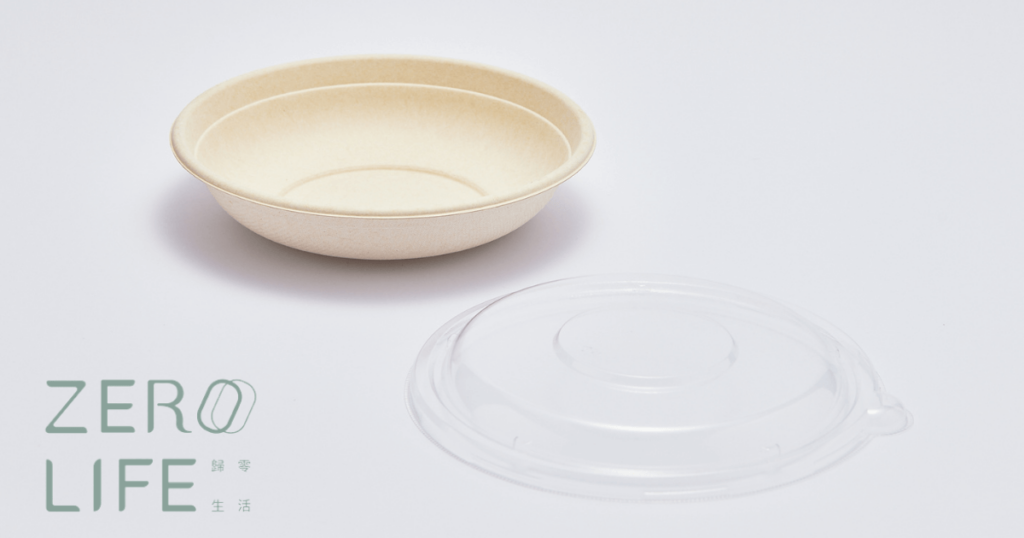
Plant fiber meal boxes are derived from agricultural by-products such as sugarcane bagasse and wheat straw. These materials, once considered waste, are now repurposed into strong, durable, and compostable containers. Not only do they reduce plastic waste, but they also decompose under industrial composting conditions, leaving a minimal environmental footprint.
Why Wholesale Buyers Should Care About Sustainability
Catering wholesale buyers have excellent leverage to drive meaningful change. By sourcing eco-friendly products in bulk, you can influence market trends, lower costs, and encourage manufacturers to scale sustainable packaging solutions. Here are some key reasons sustainability should be on your radar:
- Reduced Costs: While the initial price of sustainable packaging may seem higher, buying in bulk significantly reduces the per-unit cost.
- Brand Appeal: Clients and consumers increasingly favor businesses that prioritize sustainability. Using eco-friendly packaging enhances your reputation and helps you stand out in crowded markets.
- Regulatory Compliance: Many countries are banning single-use plastics. Switching to biodegradable solutions ensures your operations comply with evolving regulations.
- Environmental Impact: Contributing to circular economy initiatives strengthens your role in managing global waste challenges.
5 Key Tips for Getting the Best Deals on Packaging
1. Choose the Right Suppliers
Not all suppliers are created equal. Research providers that specialize in eco-friendly packaging, such as plant fiber meal boxes, and evaluate their commitment to sustainability. Reliable suppliers should have certifications proving their products are biodegradable, compostable, or made from renewable materials.
Consider factors such as shipping costs and minimum order quantities when comparing suppliers. In my experience, working with a supplier who has international shipping capabilities allows you to access competitive pricing while ensuring on-time delivery. Be bold in negotiating long-term contracts for additional discounts.
2. Buy in Bulk
Buying in bulk is the single most effective way to save money on catering packaging supplies. As a wholesale buyer, you’re already in a strong position to access bulk discounts. By committing to higher quantities of plant fiber meal boxes, you can reduce your per-unit cost while maintaining a steady supply for your business operations.
Many suppliers offer tiered pricing structures. For example:
- 500 units: $0.50 per unit
- 1,000 units: $0.45 per unit
- 5,000+ units: $0.40 per unit
Start by estimating your business’s monthly or quarterly packaging needs, so you can plan purchases strategically without overstocking.
3. Compare Global vs. Local Options
One important consideration for wholesale buyers is whether to work with local or international suppliers. Local suppliers may reduce transportation emissions and delivery times, while global suppliers often provide larger inventories, advanced technology, and potentially lower prices. Here’s how to weigh your options:
- Review product certifications to ensure quality, regardless of supplier location.
- Calculate shipping fees and delivery timelines to determine financial viability.
- Consider partnering with suppliers who practice carbon-neutral shipping methods.
In today’s interconnected world, balancing cost-efficiency with environmental priorities pays off in more ways than one.
4. Prioritize Quality and Eco-Certifications
When buying plant fiber meal boxes or other sustainable packaging options, quality is non-negotiable. Flimsy packaging that leaks or breaks can harm your brand’s reputation and create unnecessary waste. Look for compostable certifications such as ASTM D6400 (United States) or DIN EN 13432 (Europe), which indicate safe and effective disposal methods for biodegradable packaging.
High-quality products often feature benefits like:
- Grease resistance for hot and cold foods
- Sturdy construction for heavy portions
- No added chemicals or coatings
Investing in certified, durable packaging guarantees customer confidence and reduces waste from unsatisfactory materials.
5. Leverage Loyalty Programs
Many catering wholesale suppliers offer loyalty programs or incentives for repeat buyers. Enrolling in these programs can yield discounts, early access to new products, or even free samples of alternative solutions. In some cases, consistent customers may receive custom packaging designs or flexible credit terms.
Here’s how you can optimize loyalty rewards:
- Track your purchase history to determine eligibility for special promotions.
- Communicate openly with sales representatives to negotiate deals or feedback perks.
- Take advantage of referral programs, which often reward you for introducing new clients.
Plant Fiber Meal Boxes: A Real-World Game Changer
From personal experience, I’ve seen how switching to plant fiber meal boxes transformed both operations and client satisfaction. One of my clients, a regional food chain, replaced traditional plastic containers with eco-friendly meal boxes made from sugarcane bagasse. Not only did they achieve a 30% reduction in packaging waste, but they also saw a 15% increase in customer retention as a direct result of marketing their sustainability efforts.
These biodegradable boxes are versatile, accommodating everything from rice dishes to salads without leakage or loss of freshness. Because they’re microwavable and freezer-safe, plant fiber meal boxes provide convenience for reheating or storing leftovers, making them ideal for both commercial and personal use.
The Bottom Line
Sourcing sustainable packaging as a catering wholesale buyer isn’t just about finding the best deals—it’s about making meaningful contributions to the planet. By choosing plant fiber meal boxes, leveraging bulk discounts, partnering with certified suppliers, and prioritizing quality, you position your business for long-term success while promoting eco-friendly practices globally.
What’s holding you back? Start exploring the world of sustainable packaging today, and take the lead in driving environmentally conscious change in your industry. Together, we can make a difference—one meal box at a time.