In a world where environmental concerns are becoming increasingly urgent, it’s amazing to see how innovative solutions are transforming everyday products to meet sustainability goals. One such area of change is the world of packaging, where cardboard innovation is making a significant difference. By rethinking materials and designs, companies are reducing waste and offering eco-friendly alternatives to traditional plastic. It’s exciting to see how these changes are helping us live more sustainably without compromising convenience or functionality.
Cardboard innovation has revolutionized the way we think about packaging, from cutting down on single-use plastics to creating compostable or recyclable options for everyday use. A standout example of this eco-friendly movement is plant fiber meal boxes, which are designed to meet the needs of both busy lifestyles and environmental awareness. These sustainable alternatives are practical, durable, and align perfectly with the goal of reducing our global waste footprint. Let’s take a deeper look at their benefits and real-world applications.
Cardboard Innovation: A Game-Changer for Sustainable Packaging
At the heart of cardboard innovation is the desire to replace unsustainable materials such as plastic with products that don’t harm the environment long-term. Cardboard, especially when paired with cutting-edge designs, has quickly become a preferred option in various industries, ranging from food packaging to e-commerce. Here’s why this shift matters so much.
Why We Need Eco-Friendly Packaging
The harm caused by traditional plastic waste cannot be understated. From polluting oceans to filling up landfills that take hundreds of years to decompose, the environmental toll of plastic is alarming. On the other hand, packaging made with plant-based fibers or recyclable cardboard not only serves the same purpose but also breaks down quickly, leaving little-to-no ecological footprint.
By supporting these materials, individuals and businesses all contribute to reducing pollution, conserving natural resources, and promoting a circular economy where waste is minimized.
The Role of Cardboard in the Fight Against Plastic
Modern cardboard packaging solutions are lightweight and versatile. They’ve evolved far beyond flimsy boxes to become strong, protective, and uniquely designed for various purposes. This adaptability has made cardboard a preferred material for eco-conscious packaging innovations across industries. Key benefits include:
- 100% recyclability or compostability, reducing landfill waste.
- Lower carbon footprint compared to plastic production.
- Renewable resources, such as plant fibers from fast-growing crops (like bamboo or sugarcane).
- Durable and customizable options for businesses and consumers alike.
Plant Fiber Meal Boxes: A Real-World Example of Cardboard Innovation
What Are Plant Fiber Meal Boxes?
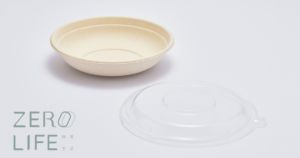
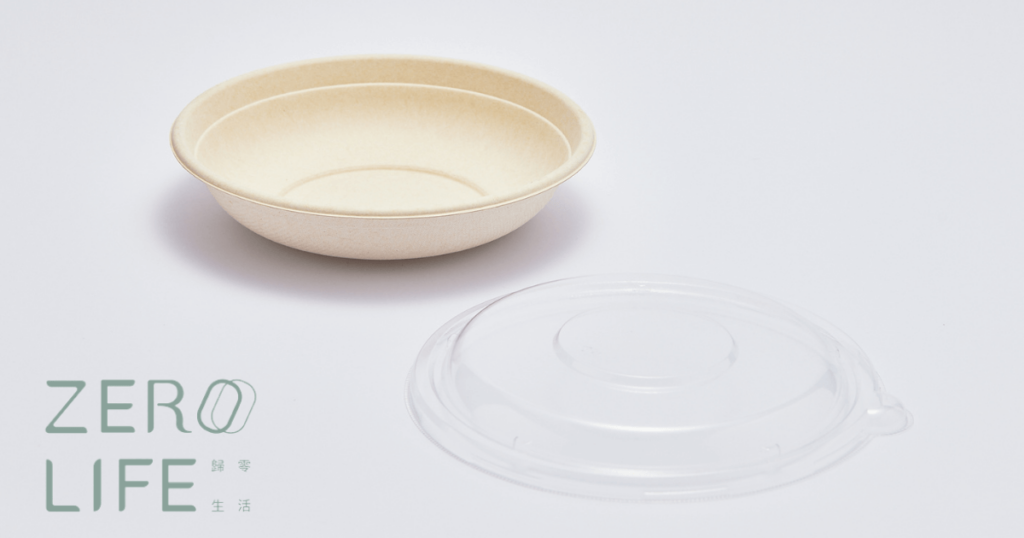
Plant fiber meal boxes are a specific kind of eco-friendly packaging made entirely from renewable plant-based resources such as bamboo, wheat straw, or sugarcane pulp. Unlike traditional plastic or Styrofoam containers, these are biodegradable and compostable, meaning they break down naturally in the environment without leaving toxic residues.
Why They Work
This type of cardboard innovation is brilliant for food-related packaging largely because of its dual focus on functionality and sustainability. Here are some reasons why plant fiber meal boxes are gaining traction:
- Food-grade safety: Meal boxes made from plant fibers are non-toxic and safe for storing hot or cold foods.
- Durability: Despite their eco-friendly materials, they are sturdy and provide excellent protection for meals during transit.
- Leak resistance: Many plant fiber options are designed to hold sauces or liquids without leaking, addressing a common challenge with compostable packaging.
- Zero-waste benefits: After use, most plant fiber boxes decompose fully within weeks if composted properly.
Practical Applications and Benefits for Global Consumers
Supporting Sustainable Dining
One of the most prominent uses of plant fiber meal boxes is in restaurants, food delivery services, and catering. Instead of Styrofoam or plastic clamshells, more businesses are turning to plant fiber as an alternative. When I recently ordered from a local eco-conscious restaurant, I was thrilled to see my food arriving in a beautifully designed container that I could compost in my backyard. It felt like a small yet impactful way to reduce waste.
Encouraging Consumers to Choose Green Options
As consumers, every choice we make sends a message. When we select businesses that prioritize eco-friendly packaging, it not only supports sustainability but also encourages more companies to adopt similar practices. Here are simple ways to incorporate these changes into your own habits:
- Look out for brands that use plant-based or cardboard packaging when shopping.
- Opt for reusable options wherever possible, but choose compostable ones when disposables are unavoidable.
- Compost your packaging waste whenever local facilities or backyard composting allows.
Global Impact of Plant Fiber and Cardboard Packaging
This innovation isn’t confined to one country or region—in fact, plant fiber products are making waves globally. Many governments are now banning single-use plastics or taxing them heavily, further encouraging the switch. As a result, many international restaurants and retail chains, such as Starbucks or McDonald’s, have started phased rollouts of compostable or recyclable packaging options.
How You Can Be Part of the Movement
The beauty of cardboard innovation is that it allows everyone—from large corporations to individual households—to contribute to a greener planet. Let me share some actionable steps you can take right now:
- Support eco-conscious brands: Choose companies that actively use sustainable packaging and avoid products wrapped in wasteful materials.
- Educate yourself: Look into how recyclable or compostable materials should be disposed of in your local area to ensure you’re making full use of their eco-friendly potential.
- Spread awareness: Encourage those around you to see the value in sustainable packaging. Share tips, stories, or examples of the positive impact small changes can make.
When we embrace innovations like plant fiber packaging in our daily lives, we align ourselves with a sustainable future. Every small step counts—even swapping a single-use plastic takeout box for a compostable one has a big impact when we all do it together.
Final Thoughts on Cardboard Innovation
As I’ve explored the world of plant fiber meal boxes and eco-friendly cardboard packaging, I’ve come to see how transformative these small innovations can be. They not only make it easier to reduce waste but also prove that sustainability and convenience can absolutely coexist. Whether you’re ordering takeout or running a business, these are packaging solutions we should all consider embracing for a healthier planet.
The journey toward reducing waste begins with mindful choices, and cardboard innovation is paving the way to ensure the future of packaging is green and guilt-free. Let’s support these advancements and inspire others to join the movement. Together, we can make a lasting difference.