Greetings, fellow sustainability enthusiasts! If you’re as passionate about eco-friendly living as I am, you’ve probably noticed a growing trend in the restaurant industry—pulp food containers are replacing traditional plastic ones. This seemingly small shift carries enormous potential for a sustainable future. Today, I’m diving into why this matters and how these containers are making a positive impact on our planet while meeting the needs of businesses and consumers alike.
The transition from plastic to plant fiber meal boxes is about more than just following a trend—it’s about restoring balance to the environment. Restaurants worldwide are recognizing that reducing single-use plastics is no longer optional. Pulp food containers, crafted from renewable plant fibers like sugarcane or wheat straw, offer practical benefits while addressing urgent global concerns like plastic pollution and waste management. Let’s explore why these sustainable options are becoming the go-to choice for eco-conscious eateries.
Why Are Pulp Food Containers Gaining Popularity?
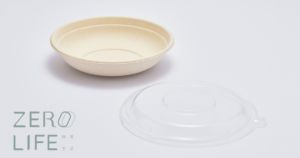
Pulp food containers are paving the way for a greener future, offering a practical, eco-friendly alternative to plastic. At their core, these containers are made from renewable plant-based materials such as sugarcane, bamboo, or wheat straw, which are biodegradable and compostable. With the public increasingly aware of the harm caused by traditional plastics, more restaurants are stepping up to adopt sustainable choices—and pulp food containers fit the bill perfectly.
Here’s why they’re taking center stage:
- Eco-Friendly Materials: Unlike plastic, which can take centuries to degrade, pulp containers break down naturally within weeks or months in industrial composting facilities.
- Waste Reduction: Restaurants generate a significant amount of single-use packaging waste. Using pulp containers helps cut down landfill contributions and makes recycling simpler for consumers.
- Consumer Demand: Today’s diners are more environmentally conscious than ever before. Offering eco-packaging highlights a restaurant’s commitment to sustainability and attracts eco-aware customers.
- Regulation Compliance: Governments worldwide are enforcing bans on single-use plastics, and pulp containers provide an easy way for restaurants to stay compliant with these new laws.
With these advantages, it’s easy to see why restaurants are going all-in on pulp food containers. But what makes these containers particularly beneficial for both businesses and the planet? Let’s delve deeper into their unique features.
Key Benefits of Using Pulp Food Containers
Switching to pulp food containers comes with impressive benefits—they aren’t just eco-friendly; they’re also practical and functional in real-world settings. Here are some of the standout advantages that are giving these containers an edge over their plastic predecessors.
1. Completely Biodegradable and Compostable
One of the best things about pulp food containers is their ability to break down naturally. Made from plant fibers, these containers decompose without releasing harmful toxins into the environment. In a commercial composting facility, they can often be turned into nutrient-rich compost within 90 days, making them ideal for waste-conscious restaurant operations.
2. Sturdy and Leak-Proof
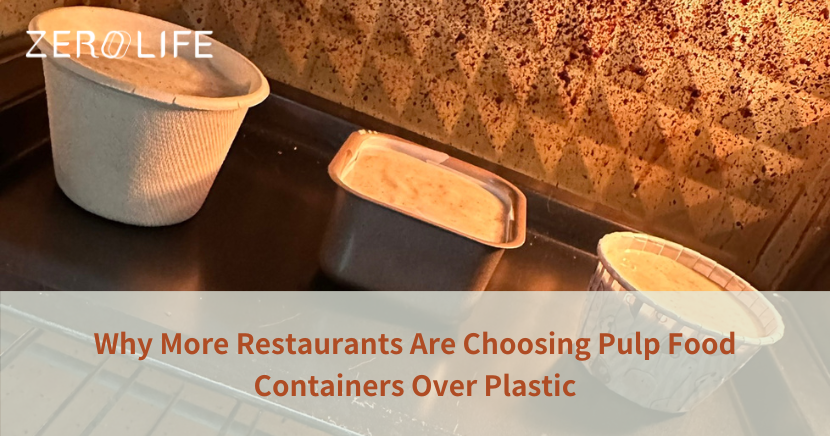
If you’re worried that switching to eco-friendly materials might compromise quality, think again! Pulp food containers are surprisingly durable and leak-proof. Thanks to their innovative design, they work well for both hot and cold foods, keeping meals fresh and intact during transport. Restaurants can confidently serve soups, salads, and sauces without risking spills or messes.
3. Versatile Design
Whether it’s a sandwich, sushi box, or full-course meal, pulp food containers come in various shapes and sizes to suit virtually any menu item. This versatility makes them the perfect choice for dine-in, carryout, and delivery services alike.
4. Reduced Carbon Footprint
Since pulp containers are made from renewable resources—often byproducts of other industries—they have a significantly lower carbon footprint compared to petroleum-based plastic containers. Additionally, many manufacturers use sustainable production methods, further reducing environmental impact.
Practical Applications in the Food Industry
Restaurants and cafes are finding innovative ways to integrate pulp food containers into their operations. Here are a few specific examples illustrating how these sustainable solutions make a difference:
1. Takeout and Delivery Services
Takeout and delivery orders have skyrocketed in recent years, especially post-pandemic. By using pulp food containers for to-go meals, restaurants not only reduce plastic waste but also appeal to eco-conscious consumers who prioritize sustainability.
2. Events and Catering
Event organizers and caterers are jumping on the compostable container bandwagon. Whether it’s a wedding, a corporate function, or a community gathering, using pulp containers for food service helps eliminate unnecessary waste while providing professional-grade food packaging.
3. Composting Partnerships
Forward-thinking businesses are setting up collaborations with local composting facilities to ensure their used containers are properly processed. Some even educate customers on how to dispose of compostable packaging correctly to maximize environmental benefits.
Steps Restaurants Can Take to Transition
Switching to pulp food containers is easier than you’d think. Here’s a step-by-step guide to help restaurants make the transition:
- Research Suppliers: Look for reputable suppliers offering a wide range of compostable packaging solutions. Choose vendors who meet global certification standards like BPI (Biodegradable Products Institute).
- Conduct a Trial Run: Before making the switch, do a trial run to test the packaging and gather feedback from staff and customers.
- Educate Staff and Customers: Train employees on the benefits of pulp food containers and how to dispose of them correctly. Use signage and messaging to inform diners as well.
- Align with Local Regulations: Research local waste management laws to ensure your compostable containers can be processed appropriately in your area.
- Market Your Sustainability Efforts: Promote your switch to pulp containers in your marketing materials, website, and social media to raise awareness and attract eco-conscious customers.
The Way Forward: Supporting Sustainable Living
For restaurants worldwide, transitioning to pulp food containers is more than a business decision—it’s a statement of responsibility toward the planet. Every meal served in a biodegradable container is a step closer to reducing plastic pollution and creating a more sustainable future.
As diners, we also play a role. Supporting businesses that use eco-friendly packaging encourages others to follow suit, amplifying our collective impact. So, the next time you order that delicious takeout, consider asking about the packaging—it might just be another reason to support your favorite restaurant’s green mission!
Together, we can make sustainable living the norm rather than the exception. Pulp food containers are just one piece of the puzzle, but they represent a significant move toward a cleaner, healthier planet for everyone. Let’s keep pushing for change, one sustainable choice at a time.