Greetings! Have you ever thought about what happens to all the single-use packaging we encounter in our daily lives? Unfortunately, most of it isn’t kind to the planet. But here’s the good news: sustainable solutions like pulp fiber packaging are on the rise, offering a way to minimize waste, reduce our carbon footprint, and actively contribute to a greener world. Let me share why these eco-friendly alternatives are a game-changer for both the environment and our everyday lives.
Pulp fiber-based packaging is here to transform how we think about disposable containers. Made from renewable plant fibers, this packaging presents a sustainable alternative to traditional plastic products. Not only are they biodegradable and compostable, but they also require fewer resources to produce. This means less waste in landfills, lower pollution levels, and a significant reduction in carbon emissions. As we strive for more sustainable lifestyles, plant fiber meal boxes are an easy, practical step forward.
Pulp Fiber: A Sustainable Solution for Packaging
Pulp fiber, derived from renewable sources like bamboo, sugarcane, or wood, has been gaining traction as an innovative packaging material. Unlike plastics, which take hundreds of years to decompose, pulp fiber products break down naturally in composting or soil environments, leaving no toxic residue behind.
Why Should We Care About Pulp Fiber Packaging?
The environmental crisis caused by single-use plastics is undeniable. Plastics clog our oceans, harm wildlife, and release greenhouse gases during production and degradation processes. Pulp fiber is a viable alternative because:
- It is biodegradable, meaning it naturally decomposes within a short period, unlike plastics.
- It utilizes agricultural by-products, reducing waste from farming practices.
- It has a lower overall carbon footprint when compared to conventional plastic production.
Understanding the Core Benefits of Pulp Fiber
Here’s how pulp fiber packaging makes a tangible environmental difference:
- Compostable: Most pulp-based packaging products are compostable, meaning they break down into nutrient-rich soil that benefits the environment instead of polluting it.
- Eco-Friendly Production: Manufacturing pulp fiber packaging uses fewer resources, such as water and energy, and generates lower emissions.
- Renewable Sources: The materials used—like bamboo and sugarcane—regrow quickly, offering a sustainable supply without depleting natural resources.
How Are Plant Fiber Meal Boxes Revolutionizing Food Packaging?
One of the most practical applications of pulp fiber technology is in food-grade packaging. Here’s why plant fiber meal boxes are gaining popularity:
1. Versatile for All Meals
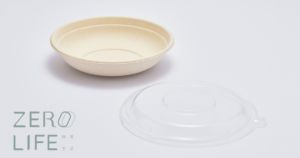
Pulp fiber meal boxes are designed to carry everything from piping-hot meals to cold salads. Their durability and heat resistance ensure no leaks or spills, making them suitable for a wide range of uses.
2. Ideal for Takeaways and Deliveries
Takeaway containers made from pulp fiber are lightweight yet sturdy. Restaurants and food delivery services around the world are adopting them as they pair convenience with sustainability.
3. A Healthier Option
Unlike certain plastics that may leach harmful chemicals when heated, plant fiber meal boxes are free from toxins. This makes them safer for both consumers and the environment.
Tips for Choosing the Right Pulp Fiber Packaging
When shopping for pulp fiber products, keep these tips in mind to ensure you make a sustainable and informed purchase:
- Check Compostability Certifications: Look for labels indicating the product is certified as compostable by reputable organizations.
- Support Local Brands: Purchasing from local suppliers reduces the transportation footprint of the packaging.
- Reuse When Possible: Some pulp fiber products, like bowls or trays, can be cleaned and reused a few times before disposing of them.
The Bigger Picture: How Pulp Fiber Reduces Waste and Carbon Footprint
The adoption of pulp fiber packaging goes beyond benefiting individual consumers—it contributes significantly to global sustainability efforts. Here’s how:
Lowering Waste in Landfills
Plastic packaging often ends up in landfills where it can take centuries to break down. Pulp fiber, on the other hand, decomposes within weeks, reducing the strain on waste management systems.
Cutting Down Carbon Emissions
From production to disposal, pulp fiber packaging generates fewer carbon emissions compared to traditional plastic products—a critical factor in combating climate change.
Encouraging a Circular Economy
By repurposing agricultural residues like sugarcane bagasse or rice husks into packaging, pulp fiber supports a circular economy. This approach minimizes waste, maximizes resource efficiency, and creates opportunities to innovate sustainably.
How You Can Make a Difference
Switching to pulp fiber packaging in your daily routine is a small change that can have a big impact. Here are some actionable ways you can start incorporating eco-friendly choices today:
- Choose Eco-Friendly Restaurants: When ordering takeaway, opt for restaurants that use sustainable packaging options.
- Adopt Reusable Items: While pulp fiber is compostable, prioritize reusable containers when possible to further reduce waste.
- Spread Awareness: Share information about the benefits of pulp fiber packaging with friends, family, and colleagues to inspire change.
Final Thoughts
Switching to pulp fiber packaging is more than just a trend—it’s a meaningful step toward protecting our planet and reducing our environmental impact. The benefits are clear: less waste, fewer harmful emissions, and an overall healthier planet. As more individuals and businesses embrace pulp fiber solutions, we’re collectively building a greener future. Why not join the movement? Let’s take action today for a cleaner, more sustainable tomorrow.