
Have you ever thought about the packaging you use and its impact on the environment? Every decision we make about materials—whether it’s for takeout containers, shipping boxes, or product packaging—affects our planet. That’s why alternatives like pulp fiber packaging are making waves as a game-changer for sustainable businesses. With its zero-waste potential, this eco-friendly option is not just a trend but a crucial step toward reducing plastic pollution and building a greener future.
As businesses and consumers strive to reduce their environmental footprint, solutions like pulp fiber meal boxes are becoming indispensable. Made from renewable plant fibers, these packaging materials are biodegradable, durable, and versatile across industries. They’re not just a step forward in waste reduction; they offer a practical alternative to plastic that aligns with modern sustainability goals. From improved brand perception to contributing directly to a zero-waste economy, pulp fiber packaging is reshaping how we think about packaging and its lifecycle.
What is Pulp Fiber Packaging?
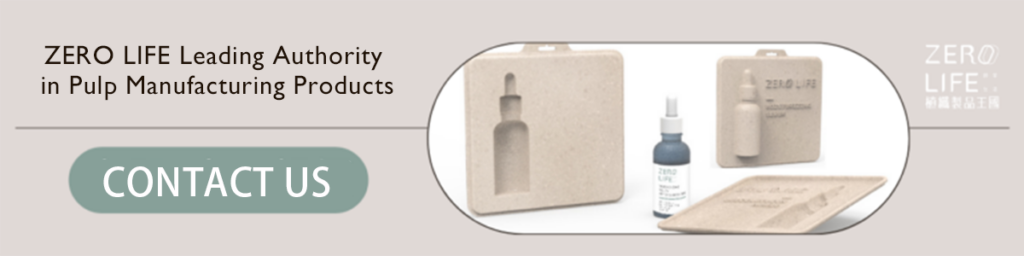
Pulp fiber packaging, also known as molded fiber or plant fiber packaging, is a sustainable solution made from recycled paper, cardboard, or plant-based materials like sugarcane (bagasse) or bamboo. This material is processed into durable and lightweight forms, making it ideal for packaging everything from food to electronics.
The Key Characteristics of Pulp Fiber Materials
- Renewable Resources: Pulp fiber is derived from plant-based or recycled raw materials, ensuring it’s both renewable and eco-friendly.
- Biodegradable: Unlike plastic, pulp fiber degrades naturally without leaving harmful microplastics behind.
- Compostable: In the right conditions, pulp fiber packaging breaks down into nutrient-rich compost, making it highly sustainable.
- Durable and Functional: Despite being eco-friendly, it’s strong and resistant to heat and liquids, especially when used for food packaging.
Its unique features make pulp fiber packaging an excellent ally for businesses aiming to combine functionality with sustainability.
Why Pulp Fiber Packaging is Essential for a Zero-Waste Business Model
Adopting a zero-waste business model might seem ambitious, but it’s becoming more attainable with packaging solutions made from pulp fiber. This packaging offers numerous benefits that align with waste reduction and a circular economy.
Key Environmental Benefits
Switching to pulp fiber packaging dramatically reduces the reliance on single-use plastics. Here’s how:
- Reduced Plastic Waste: Plastic takes centuries to decompose, whereas pulp fiber breaks down in a matter of weeks or months.
- Lower Carbon Footprint: Manufacturing pulp fiber requires less energy than producing plastics, effectively reducing greenhouse gas emissions.
- Supports Recycling Systems: Even if disposed of improperly, pulp fiber is less likely to harm ecosystems or contribute to ocean pollution.
Enhancing Brand Perception
In today’s market, being eco-conscious isn’t just responsible—it’s profitable. Customers are increasingly choosing brands that align with their values. Incorporating pulp fiber packaging into your business shows a commitment to sustainability, appealing to environmentally conscious consumers.
This simple change can:
- Boost customer loyalty and retention.
- Differentiate your brand in highly competitive markets.
- Enhance your public image through visible eco-friendly initiatives.
Real-World Applications of Pulp Fiber Packaging
Pulp fiber packaging isn’t just for one sector—it’s incredibly versatile. Let’s take a closer look at how different industries are leveraging it to reduce waste and promote sustainability:
Food and Beverage Industry
One of the most significant success stories of pulp fiber packaging is in the food sector, where takeout containers, meal boxes, and coffee cup lids have been traditionally dominated by single-use plastic.
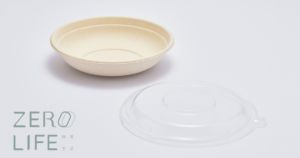
Plant fiber meal boxes offer these advantages:
- Leak Resistance: With advanced production methods, these containers resist leaks and grease, making them ideal for carrying wet or oily food.
- Microwave Friendly: Unlike plastic and Styrofoam, pulp fiber containers are safe for reheating, making them an excellent option for customers.
- Improved Compostability: After a meal, customers can compost the container, ensuring it goes back to the earth rather than into a landfill.
E-Commerce and Retail Packaging
With the rise of online shopping, sustainable shipping materials are in high demand. Pulp fiber packaging offers these features:
- Protective Design: Molded fiber can be shaped to snugly fit products, reducing the need for plastic fillers like bubble wrap.
- Lightweight Structure: Lowering shipping costs while maintaining product safety.
- Recyclable Alternatives: Unlike Styrofoam or plastic, molded pulp is curbside recyclable, simplifying waste disposal for end-users.
Electronics and Fragile Goods
Another innovative use of pulp fiber is protective packaging for electronics, where durability is a must. Molded pulp provides shock absorption, safeguarding fragile items during shipping.
- Sustainable Cushioning: A better alternative to foam inserts for gadgets and glass items.
- Customized Fit: Custom molds can cater to specific product shapes, ensuring maximum protection and less waste.
- Eco-Friendly Unboxing: Adds to the customer experience by showcasing your business’s green ethos.
How to Transition to Pulp Fiber Packaging for Your Business
Switching to pulp fiber packaging doesn’t have to be overwhelming. Here’s a simple strategy for making the transition:
Step 1: Conduct a Packaging Audit
Start by assessing your current packaging materials and their environmental impact. Identify where single-use plastics are most prevalent and whether they can be replaced with pulp fiber options.
Step 2: Partner with Sustainable Suppliers
Work with vendors who specialize in eco-friendly products. Look for certifications like FSC (Forest Stewardship Council) to ensure the materials are genuinely sustainable.
Step 3: Educate Your Team and Customers
- Train your staff on the features and benefits of the new packaging.
- Highlight your efforts in marketing materials to inform your audience about the change.
- Encourage customers to compost or recycle the packaging after use.
Step 4: Start Small, Then Scale
Consider piloting the change in select products or services before implementing it across your entire business. This phased approach allows for adjustments before a full-scale rollout.
Conclusion: A Greener Tomorrow with Pulp Fiber Packaging
The shift toward sustainable packaging isn’t just an environmental necessity—it’s an opportunity to align your business with a growing consumer preference for green practices. By integrating pulp fiber packaging into your operations, you’re not only reducing waste but also building a brand that values responsibility and innovation.
So, whether you’re a food service operator, an online retailer, or a manufacturer, the time to make the switch is now. Together, we can redefine what “zero waste” really means and inspire the next generation of businesses to follow suit. Small changes lead to significant impacts, and it all starts with forward-thinking solutions like pulp fiber packaging.