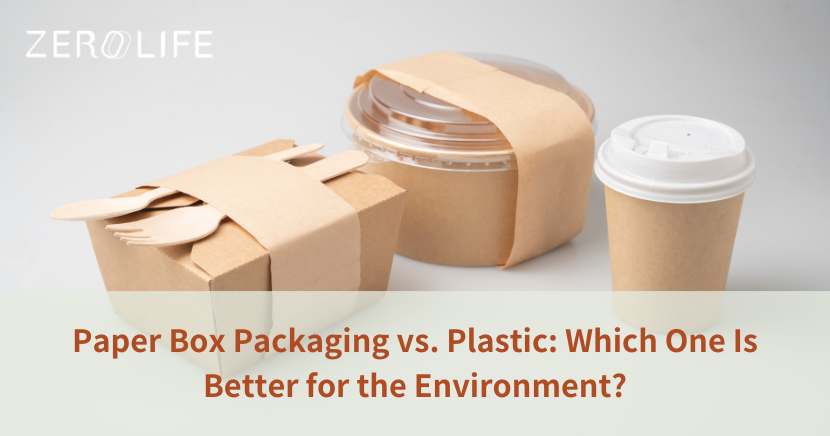
Paper Box Packaging vs. Plastic: Which One Is Better for the Environment?
As someone passionate about sustainable living, I often find myself debating the environmental impact of everyday choices. One particular challenge we’ve all faced is deciding between paper boxes and plastic when choosing packaging. With the increasing burden of plastic waste polluting our oceans and landfills, this question is more important than ever. Let’s delve into why paper box packaging may hold the key to a more sustainable future and how this small shift can make a big difference for our planet.
Understanding the Environmental Impact of Paper Box Packaging
When it comes to sustainability, the materials we choose for packaging directly impact our environment. Paper box packaging has several advantages over plastic, a primary one being its biodegradability. While plastic can take hundreds, if not thousands, of years to decompose, paper breaks down naturally within weeks or months. This means less waste in our landfills and fewer harmful byproducts polluting our environment.
Why Biodegradability Matters
One of the key reasons paper boxes are preferable is their ability to decompose quickly. When discarded, paper products return to the earth without leaving toxic residues. Plastic, however, breaks down into microplastics—a major pollutant found in water sources and food chains worldwide.
Another critical point is energy consumption. Did you know that producing plastic typically requires more non-renewable energy than making paper? As a result, industries relying on paper packaging often leave a smaller carbon footprint.
Pulp and Recycling: The Life Cycle of Paper
A well-known benefit of paper packaging is its recyclability. Many paper products can go through recycling processes to create new materials without exhausting fresh resources. Compared to single-use plastics that often end up in landfills, repurposing paper packaging reduces overall waste.
- Up to 68% of paper globally is recycled, making it one of the world’s most reused materials.
- Using recycled paper fibers reduces the need for virgin pulp, maintaining forests that serve as natural carbon sinks.
- Accessible local recycling programs often favor paper products over plastics, thanks to their simpler reprocessing requirements.
The Downsides of Plastic Packaging
While plastic packaging dominates the market due to affordability and convenience, its environmental costs far outweigh these benefits. From production to disposal, plastic wastes resources and harms ecosystems at every stage.
Slow Decomposition and Long-Term Pollution
Plastic’s biggest drawback is its refusal to go away. Unlike paper, most plastics remain in the environment indefinitely, releasing harmful chemicals such as BPA and phthalates over time. This contributes to global health issues, not to mention the alarming rates of wildlife fatalities caused by plastic ingestion or entanglement.
The Energy and Resource Consumption of Plastic
Producing plastic alternatives relies heavily on finite fossil fuels, such as oil and natural gas. Moreover, manufacturing plastic packaging can release significant amounts of greenhouse gases into the atmosphere, fueling global warming trends.
Plastic recycling is another challenging factor. Despite global efforts, only a small fraction of plastic products ever gets recycled. This issue is primarily due to economic constraints and limited recycling infrastructure.
Making the Case for Paper Box Packaging in Everyday Life
Incorporating paper box packaging into our lifestyles is an impactful yet straightforward step toward more eco-friendly living. Here are some specific ways these sustainable alternatives can help you make a difference.
Benefits of Switching to Paper Packaging
One of the greatest strengths of paper packaging is its versatility. Modern paper box designs cater to a wide range of industries—food, cosmetics, e-commerce, and more—without compromising strength or quality.
- Safe for food storage: Paper boxes are often free from harmful chemicals leaching into products, unlike food-grade plastics.
- Customizable and functional: Many paper-based solutions are designed to meet industry-specific needs (e.g., grease-resistant coating for takeout food).
- Lightweight and easy to store: Despite their sturdy design, paper boxes remain lightweight, reducing storage and transportation costs.
How to Transition to Greener Packaging Choices
Switching to paper packaging doesn’t have to be complicated. For both businesses and consumers, starting small makes a world of difference.
- Support brands and companies that use sustainable materials in their packaging. Check for products labeled with certifications such as FSC (Forest Stewardship Council).
- Reuse paper boxes you receive through deliveries or purchases. For example, repurpose them as storage or gift boxes.
- Advocate for sustainable practices in your community. Educate friends and family about the benefits of paper box packaging over plastic.
Conclusion
As I reflect on the environmental hurdles we’re collectively facing, the shift from plastic to paper box packaging feels like a tangible, meaningful way to make progress. While neither material is flawless, paper offers significant advantages in terms of sustainability, biodegradability, and reduced waste.
Our everyday choices can become powerful tools for change. By prioritizing paper over plastic, we’re not only minimizing our environmental footprint but also fostering a culture of conscious consumption. The next time you face this choice, I hope this guide empowers you to opt for paper packaging—because protecting our planet starts with the simplest of decisions.