5 Surprising Bioplastic Examples You Use Every Day Without Realizing
Sustainability has shifted from a buzzword to a necessity in our daily lives. The relentless rise of plastic waste is taking a toll on our environment, but there’s a promising alternative: bioplastics. What makes this even more fascinating is that you may already be using bioplastics every day without even noticing! From packaging to household items, these materials are quietly revolutionizing the way we interact with plastics while reducing environmental impact.
What Are Bioplastics and Why Do They Matter?
Bioplastics are made either partially or fully from renewable resources like corn starch, sugarcane, or even algae, unlike traditional plastics that are derived from fossil fuels. Not only are they designed to reduce greenhouse gas emissions during production, but many of these materials are biodegradable or compostable, alleviating the pressure on overflowing landfills.
As our global community continues to face the challenges posed by plastic pollution, knowing where bioplastics fit into your daily routine can empower you to make sustainable choices. Here are five surprising bioplastic examples you likely encounter every day without realizing it.
1. Food Packaging and Takeout Containers
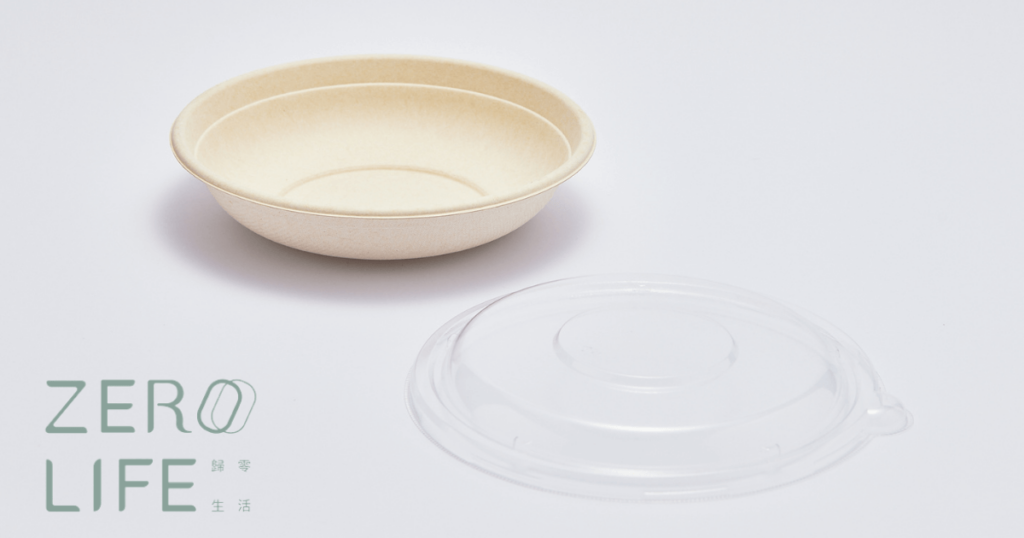
The next time you order takeout or pick up pre-packaged fruit from the supermarket, take a closer look at the packaging. Many brands are now switching to bioplastic alternatives such as polylactic acid (PLA) containers, which are derived from corn starch or sugarcane. These are used in everything from salad boxes to beverage cups.
Why They’re a Game-Changer
- Bioplastic takeout containers reduce reliance on petroleum-based plastics, helping conserve non-renewable resources.
- Many are compostable, meaning they’ll break down in industrial composting facilities rather than languishing in a landfill.
- Using renewable materials helps reduce greenhouse gas emissions during the production process.
How to Identify Bioplastic Packaging
Check for labeling on the product—look for terms like “100% compostable,” “PLA,” or the number “7” within the recycling symbol with a note that it’s plant-based. Additionally, you can verify if the container is certified by organizations like BPI (Biodegradable Products Institute).
2. Coffee Cups and Lids You Grab On the Go
Do you grab a steaming cup of coffee from your local café on the way to work? If the cup has a PLA lining or the lid features a plant-based plastic construction, then you’ve already interacted with bioplastics. Traditional disposable cups are lined with polyethylene (a petroleum-based plastic), making them difficult to recycle or compost. However, bioplastic alternatives are changing the scene.
Benefits of Bioplastic Coffee Cups
- Reduces plastic waste that traditional cups bring, as they can often only be composted or recycled in bio-specific facilities.
- Supports cafés and brands looking to provide eco-conscious options for their customers.
Next time you reach for a cup, ask your barista about the materials used—it just might spark a conversation about sustainability.
3. Cutlery and Straws
Single-use cutlery and straws are one of the biggest contributors to plastic waste, but the good news is, I’ve noticed more eco-conscious individuals (and businesses!) are embracing bioplastic substitutes. Plant-based forks, knives, spoons, and straws are rapidly replacing plastic counterparts at food courts, restaurants, and events.
Why They’re a Perfect Fit for Daily Use
- Convenience: They’re sturdy and lightweight, just like traditional plastic versions.
- Sustainability: They’re often compostable, reducing the waste sent to landfills.
- Consumer appeal: They signal to customers and peers that you (or the business) care about sustainability.
It’s easy to keep your own set of reusable bioplastic cutlery for lunch at work or when dining outdoors.
4. Bioplastics in Cosmetics and Skincare Packaging
This one surprised even me! Next time you’re shopping for cosmetics, take note of the product’s packaging. Many skincare brands are turning to bioplastics for their tubes, jars, and caps as a way to minimize their environmental footprint.
Some innovative companies are even using fully biodegradable bioplastics, ensuring the packaging won’t outlive you in a landfill. From toothpaste tubes to face cream jars, sustainability is entering your beauty routine in more ways than one.
Things to Look For
- Packaging that mentions the use of bioplastics, plant-based materials, or reducing reliance on virgin plastics.
- Compostable packaging options for products like sheet masks or single-use skincare capsules.
5. Clothing Tags and Buttons
Bet you didn’t see this one coming! Clothing brands are also hopping on the bioplastic wave, using them for tags, buttons, or even certain parts of sneakers. These small items may seem insignificant, but think about how many millions of these tiny components end up in the waste stream every day.
Switching to plant-based alternatives, such as bioplastic buttons made from corn or castor beans, represents a step toward building more eco-friendly wardrobes for the future.
Why It Matters
- Minimizes the long-term waste produced within the fashion industry.
- Promotes innovation in sustainable design and manufacturing.
If you’re shopping for sustainable clothing, it’s worth asking brands about the materials they use for trimmings and accessories.
How You Can Support the Bioplastic Movement
By now, you’ve seen how subtle yet widespread bioplastics have become in our daily lives. The question is—what can you do to support this movement and reduce reliance on traditional plastics?
Here Are Some Actionable Steps:
- Learn how to dispose of bioplastics responsibly. Not everything is biodegradable at home—some require industrial composting facilities.
- Opt for products and restaurants that use bioplastic alternatives. Your purchasing power can drive change.
- Encourage your local stores or businesses to adopt plant-based alternatives wherever possible.
- When grocery shopping, check for bioplastic packaging options on your favorite snacks or food items.
Final Thoughts
Every little change toward sustainability helps, and bioplastics are a great example of how innovation can reshape our lives for the better. From your morning coffee cup to the buttons on your clothes, these plant-based materials are already making an impact. By supporting businesses that adopt bioplastic solutions and making informed decisions about the products you buy, you can be a part of the change our planet desperately needs.
Let’s continue to learn, adapt, and innovate together for a greener, cleaner tomorrow!