Hello there! Have you ever stopped to think about the growing plastic waste problem that’s choking our planet? I’ve been increasingly concerned about how plastic affects the environment, and I’m sure many of you feel the same. That’s why I’m exploring bioplastics today—an innovative, eco-friendly alternative to traditional plastics. Can these plant-based alternatives truly replace the plastics we use daily? Let’s dive in to uncover the possibilities and challenges.
Bioplastics are gaining attention in the sustainability world for their potential to reduce plastic waste and dependence on fossil fuels. Made from renewable plant materials, bioplastics offer the promise of eco-friendly single-use products like plant fiber meal boxes, which have become popular for their biodegradability and functional design. But are they the silver bullet we’ve been waiting for? Let’s take a closer look at what bioplastics bring to the table and how they could transform the way we consume.
What Are Bioplastics?
Bioplastics are plastics made either partially or entirely from renewable biological sources, such as corn, sugarcane, or even algae. Unlike traditional plastics, which are derived from petroleum and take hundreds of years to degrade, bioplastics aim to provide a more sustainable alternative. But bioplastics come in different forms, and not all of them work the same way. Here’s a quick breakdown:
- Bio-based plastics: These are derived from plant materials but may not always be biodegradable. Examples include bio-PE or bio-PET.
- Biodegradable plastics: These plastics can decompose naturally under the right conditions, leaving no harmful residues behind.
- Compostable plastics: These break down into organic matter when exposed to industrial composting conditions, making them a popular eco-friendly option.
Understanding these distinctions is important because not all bioplastics are created equal. Some integrate seamlessly into sustainable practices, while others might still pose environmental challenges. That brings us to an exciting example of bioplastics in action: plant fiber meal boxes.
Plant Fiber Meal Boxes: A Real-World Application of Bioplastics
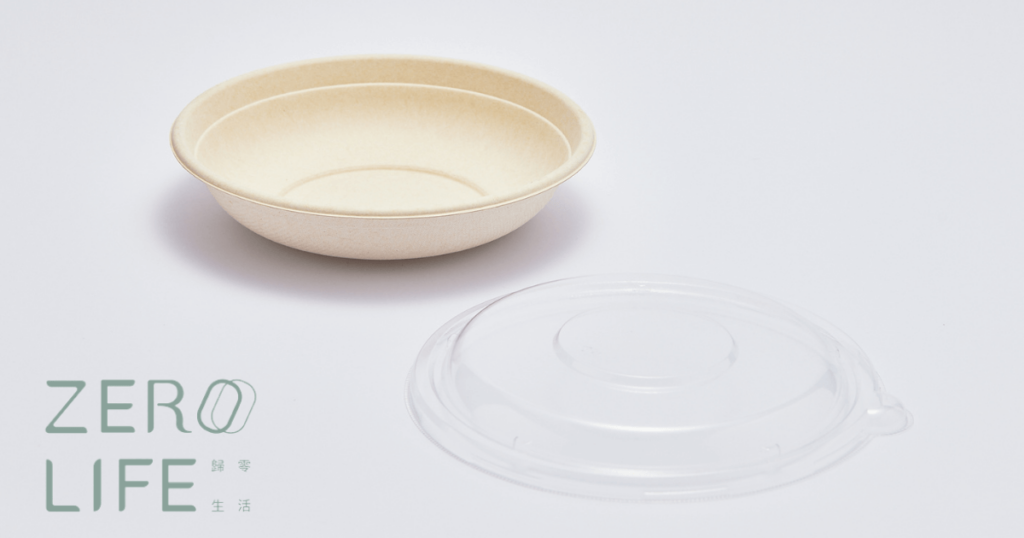
One of the best applications of bioplastics is in single-use food packaging, specifically plant fiber meal boxes. If you’re like me, you’ve probably noticed these popping up in restaurants, cafes, and takeout services worldwide. But why are they becoming so popular? Let’s explore their benefits:
Eco-Friendly and Biodegradable
One of the standout qualities of plant fiber meal boxes is that they’re made from renewable materials like sugarcane bagasse, wheat straw, or bamboo fibers. These materials are not only sustainable but also biodegradable. When disposed of correctly, they naturally break down into compost, leaving behind no microplastic pollution. For eco-conscious consumers, this is a game-changer.
Durable and Functional
Despite being biodegradable, plant fiber meal boxes are remarkably strong and heat-resistant. This makes them perfect for packaging both hot and cold foods. Unlike flimsy Styrofoam containers that easily tear or warp, these bioplastic alternatives perform beautifully, even with greasy or moist dishes.
Reducing Plastic Waste
Every time we use plant fiber meal boxes instead of petroleum-based plastics, we reduce the amount of non-biodegradable waste that ends up in landfills or, worse, the ocean. Imagine this snowballing across millions of users—it could have a profound impact on global waste reduction efforts.
Benefits of Switching to Bioplastics Like Plant Fiber Meal Boxes
There’s no denying that adopting bioplastics for everyday use has its advantages. Here are some key reasons why switching to plant fiber meal boxes and other bioplastic products is worth considering:
- Environmental Impact: Bioplastics contribute to reducing greenhouse gas emissions since they’re made from renewable resources. Plus, they compost naturally, leaving no trace.
- Health Benefits: Traditional plastics can leach harmful chemicals into food, especially when exposed to heat. Bioplastics, on the other hand, are often free of toxic additives.
- Economic Opportunities: Supporting bioplastics fosters innovation in the renewable sector, creating jobs and promoting investment in sustainable development.
- Policy Compliance: Many governments are enacting regulations on single-use plastics. Switching to bioplastics helps businesses comply with these rules.
How You Can Incorporate Bioplastics Into Your Life
So, how can you make the switch to bioplastics in your daily life? Here are a few actionable tips to get started:
- Choose Eco-Friendly Takeout Packaging: Support restaurants and cafes that use plant fiber meal boxes and other compostable food containers. Your consumer choices send a strong message to businesses.
- Try Compostable Alternatives: Bioplastic trash bags, cutlery, and plates are becoming more widely available. Swap these with traditional plastic items when hosting events or picnics.
- Support Companies Leading the Change: Some brands are pioneering the adoption of bioplastics. Research and support companies that prioritize sustainable packaging solutions.
- Educate Others: Share your knowledge about the benefits of bioplastics with friends, family, and coworkers. The more awareness we create, the faster the transition to sustainable living can happen.
Challenges of Bioplastics—and How to Overcome Them
While bioplastics offer many benefits, it’s important to acknowledge their limitations. For starters, not all bioplastics are biodegradable. Additionally, industrial composting facilities, which are often required for proper decomposition, aren’t available everywhere. Here’s how we can address these challenges:
- Invest in Waste Management Infrastructure: Governments and industries must invest in composting facilities to maximize the potential of bioplastics.
- Standardize Bioplastic Certification: Clear labeling and certification systems would help consumers and businesses identify truly eco-friendly bioplastics.
- Raise Public Awareness: People need better education on how to dispose of bioplastics correctly to ensure environmental benefits are fully realized.
Final Thoughts on Bioplastics: A Sustainable Future
Switching from traditional plastics to bioplastics is a crucial step in our journey toward a more sustainable future. Products like plant fiber meal boxes prove that eco-friendly alternatives can be practical, functional, and beneficial to the environment. However, to truly unlock the potential of bioplastics, we must do more than just adopt them—we need to build the infrastructure, raise awareness, and push for policies that support their widespread use.
Can bioplastics completely replace traditional plastics? That remains to be seen. But one thing is certain: every step we take toward reducing plastic waste and embracing renewable materials is a step in the right direction. Let’s choose wisely for the planet and for future generations. What do you think about bioplastics? Let me know in the comments!