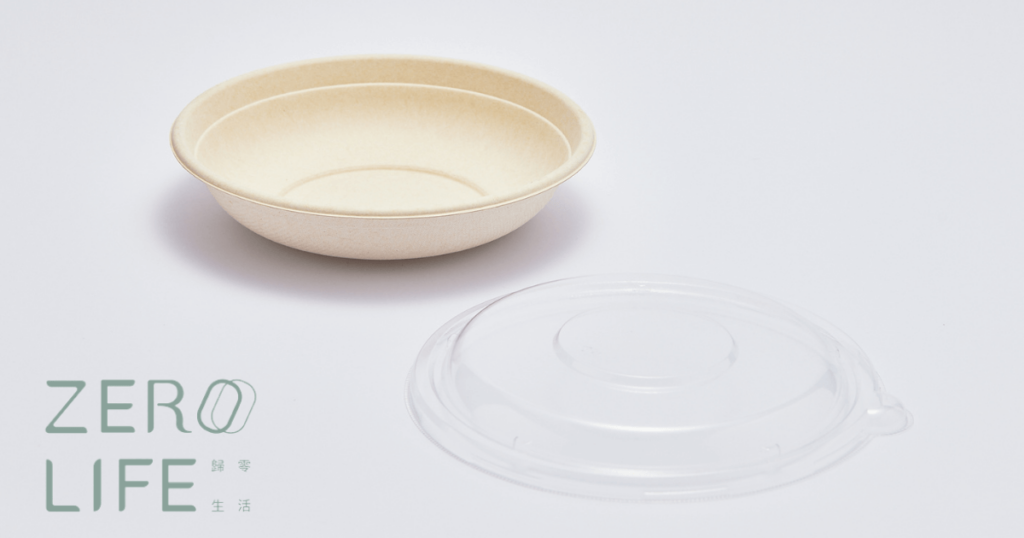
Have you ever wondered what “green packaging” truly means? It’s one of those terms that gets thrown around a lot, often wrapped in marketing buzzwords, but what’s the real story behind it? As someone striving to live a more eco-friendly lifestyle, I’ve often questioned whether the packaging labeled as “eco-friendly” is genuinely helping the planet—or if it’s just another case of greenwashing. Today, let’s dig into the facts versus the myths about green packaging and how sustainable options, like plant fiber meal boxes, fit into the picture.
Green packaging goes beyond trendy labels, offering real solutions to reduce waste and protect the environment. But how do you separate legitimate eco-conscious efforts from clever marketing? This post explores the true meaning of green packaging while highlighting the practical perks of using plant fiber meal boxes. These alternatives not only reduce plastic waste but also offer better options for sustainable living without compromising on convenience. Let’s break it all down into actionable insights.
What Is the Green Packaging Meaning? Let’s Clarify
To most people, green packaging means “eco-friendly” or “sustainable” packaging, but it’s more than just a tagline. It refers to materials and practices designed to minimize environmental harm. True green packaging takes the entire lifecycle of the product into consideration—from how it’s sourced to its production, usage, and disposal.
Key Features of Green Packaging
To recognize genuinely sustainable packaging, it helps to look for the following attributes:
- Uses renewable or biodegradable materials (e.g., plant-based fibers, recycled plastics, or cardboard).
- Minimizes waste production during manufacturing.
- Reduces greenhouse gas emissions by cutting energy consumption in production and transport.
- Encourages reusability or compostability to avoid contributing to landfill waste.
- Adheres to certifications such as FSC (Forest Stewardship Council) for responsibly sourced materials or compostability standards from BPI (Biodegradable Products Institute).
The ultimate aim is to create packaging that protects the planet’s resources while lowering its carbon footprint. Unfortunately, myths and misinformation often surround green packaging, moving us further from sustainable practices instead of closer.
Debunking Myths: What Green Packaging Is NOT
It’s easy to fall for flashy packaging claims, but not all “eco-friendly” labels are what they seem. Let’s call out some common misconceptions.
- Myth #1: Everything labeled “biodegradable” is eco-friendly. The truth? Some “biodegradable” materials only break down under industrial composting conditions. Without proper facilities, these items can still end up polluting the environment.
- Myth #2: All plant-based packaging is guilt-free. While plant-based fibers are a better alternative to plastics, it’s important to consider how these materials are sourced and processed. Certain crops, like corn, may involve heavy pesticide use or significant water consumption.
- Myth #3: Green packaging is too expensive. Sure, some eco-friendly options may be pricier upfront, but long-term savings come from reducing waste, lowering landfill costs, and promoting a healthier planet.
Separating fact from fiction is essential to ensure we’re making choices that truly benefit the Earth.
Plant Fiber Meal Boxes: A Practical Example of Green Packaging
One of the most exciting advancements in green packaging is plant fiber meal boxes. These eco-friendly containers are popping up in restaurants, food deliveries, and supermarkets worldwide—and for good reason. Let’s explore why they’re a game-changer.
Benefits of Choosing Plant Fiber Meal Boxes
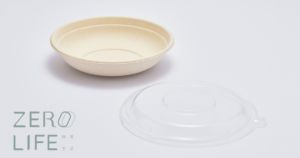
These meal boxes are made from agricultural byproducts, such as sugarcane bagasse, bamboo pulp, or wheat straw, which would otherwise go to waste. Here’s why they stand out:
- Biodegradability: Unlike traditional plastic containers, plant fiber meal boxes decompose naturally, reducing landfill waste.
- Renewable Resource: Materials like sugarcane or bamboo are fast-growing crops, making them more sustainable than petroleum-based plastics.
- Non-Toxic and Food-Safe: These boxes don’t leach harmful chemicals into your food, unlike some plastic or styrofoam alternatives.
- Composting Compatibility: Many plant fiber boxes can break down in industrial composting facilities, returning nutrients back to the soil.
- Durability: They’re sturdy and grease-resistant, making them practical for hot, cold, or even oily dishes.
Real-World Applications
Need examples of how you can transition to plant fiber meal boxes in everyday life? Here are some ideas:
- Home Cooking Leftovers: Use them for storing or transporting meals instead of disposable plastic options.
- Food Delivery: Support businesses that use sustainable meal boxes for takeout and delivery orders.
- Events and Catering: Choose plant fiber-based food containers for gatherings, weddings, or outdoor picnics.
Small changes like these not only cut down on plastic waste but also encourage businesses to adopt better practices by increasing the demand for sustainable packaging.
Practical Tips for Embracing Green Packaging
If you’re ready to make the switch to greener packaging options, here are some actionable steps to get started:
- Do Your Research: Look for reputable certifications, like BPI or FSC, to ensure the material is genuinely eco-friendly.
- Support Eco-Conscious Brands: Purchase from businesses that prioritize sustainable packaging, whether it’s your favorite restaurant or a trusted grocery store.
- Reuse and Repurpose: Even plant fiber boxes can have multiple uses before they’re recycled or composted. Get creative!
- Educate Others: Share your green packaging choices with friends and family to inspire them to follow suit.
- Compost When Possible: Set up a home composting system or check if your community offers industrial composting services.
Look Ahead: Push for Industry Change
Individual actions matter, but collective efforts can make an even bigger impact. Advocate for policy changes that hold companies accountable for sustainable practices. Let’s use our voices—and our wallets—to encourage systemic shifts that prioritize the planet.
Final Thoughts on Understanding Green Packaging Meaning
At its core, green packaging represents a commitment to reducing our environmental impact through mindful choices. Whether that’s by swapping plastic containers for plant fiber meal boxes or choosing brands with eco-certifications, every decision counts. Stepping away from myths and embracing the facts allows us to make informed changes that genuinely support a sustainable future.
So the next time you’re shopping or ordering takeout, consider how your choice of packaging aligns with your values. Together, we can create a greener, cleaner planet—one eco-friendly box at a time.